
Streaming in 4K UHD: The Best IPTV Setup for UK Homes

4K streams are bigger, more demanding, and more sensitive to dropped packets and Wi-Fi congestion. Best 4K IPTV Setup UK . A 4K stream requires not just raw Mbps, but:

  • consistent throughput (no spikes and drops),
  • low latency (for responsiveness and adaptive bitrate),
  • the right codecs and device hardware to decode efficiently (H.264 is heavy; newer codecs like HEVC and AV1 compress better, but need compatible hardware),
  • and solid HDMI/electronics — a poor HDMI cable or an old TV can ruin your picture.

So you need to think about internet, home network, the streaming device, the TV, and the IPTV client — all working together.

1) Internet: how fast is “fast enough” for 4K IPTV?

Official streaming baselines: Netflix recommends 15 Mbps minimum for one Ultra HD (4K) stream. That’s a practical baseline for a single 4K stream, but households often need more headroom.

Practical guidance:

  • Single 4K stream: 15–25 Mbps (codec and platform dependent).
  • Household with multiple devices (e.g., 2–3 simultaneous 4K streams + other usage): 200 Mbps+ recommended.
  • For stability and future-proofing, aim for 300–500 Mbps if you have multiple heavy users or want to avoid any contention during peak times (even fibre FTTP 1 Gbps plans are affordable in many UK areas).

Why higher than the minimal suggestion? Because streaming services use variable bitrates, packet retransmits, other household traffic (cloud backups, gaming, video calls), and ISP bursts. Real-world tests and ISP recommendations often nudge households above the minimums for headroom.

2) Home network: ethernet, Wi-Fi 6/6E, mesh and QoS

Wired vs Wireless

  • Ethernet is your gold standard. Always plug the main 4K streaming device into a Gigabit Ethernet port on the router or a switch. No Wi-Fi jitter, no sudden drops.
  • If Ethernet isn’t practical, use Wi-Fi 6 (802.11ax) or Wi-Fi 6E (6GHz) and a high-quality router or mesh system. Wi-Fi 6E adds the 6 GHz band which relieves congestion and gives low-latency, high-throughput channels ideal for UHD.

Router / Mesh recommendations

The market changes fast, but general rules:

  • If your house is large, use a mesh Wi-Fi 6/6E system (e.g., Orbi, eero Pro 6E, top mesh units) to avoid dead spots. Good mesh systems provide wired backhaul options (use them if you can).
  • For single-room setups, a high-end Wi-Fi 6/6E router (Netgear, ASUS, TP-Link) is excellent. Look for models with strong CPU and QoS controls.

QoS (Quality of Service)

  • If your router supports QoS, prioritise the IPTV device’s MAC address or the streaming port. That reduces packet contention during busy times.

3) TV & HDMI: what to check for true 4K HDR

TV

  • Look for a TV with native 4K panel, good HDR handling (HDR10+, Dolby Vision support if you care about the absolute best), and low input lag if you also game. Higher peak brightness helps HDR pop on-screen.
  • Modern TVs often come with built-in scaling and motion processing — but a strong external streaming device still matters for codec support and app availability.

HDMI

  • For 4K60Hz HDR, HDMI 2.0 is generally sufficient.
  • For 4K120Hz, VRR, or full future-proofing (and some advanced HDR passthroughs), HDMI 2.1 is the standard. Use a certified high-speed HDMI cable (18 Gbps for HDMI 2.0; for full HDMI 2.1 bandwidth up to 48 Gbps certified cables are preferred).
  • If your TV has multiple HDMI ports, use the ones that support the desired features (check the TV manual — some ports may be limited).

4) Codecs: HEVC, VP9, AV1 — why they matter for 4K

Modern codecs compress 4K efficiently so providers can send great-looking 4K at lower bitrates.

  • HEVC (H.265): widely used for 4K streaming on many services and devices (hardware decoders common).
  • VP9: widely used by YouTube & some providers for 4K on a range of devices.
  • AV1: newer, highly efficient, royalty-free codec supported increasingly by big platforms and rolling out rapidly in 2024–2025. AV1 improves compression efficiency and reduces required bandwidth for similar quality — but to benefit you need devices with AV1 hardware decoding or strong CPU for software decoding. Adoption is growing among major streamers and device manufacturers.

Bottom line: Prefer devices with hardware decoding support for HEVC, VP9, and ideally AV1. AV1 is increasingly beneficial for bandwidth-limited households and mobile/live streaming use cases. Best 4K IPTV Setup UK.

5) Best streaming devices for 4K IPTV (UK-friendly picks)

Many devices stream 4K, but the best for IPTV combine codec support, network connectivity (Ethernet/Wi-Fi 6/6E), and powerful hardware.

Top recommendations (2025-aware):

1. NVIDIA Shield TV (Android TV family) — power-user pick

  • Pros: Powerful SoC, excellent 4K HDR support, robust Android TV app selection, excellent for AV1-capable transcodes on newer revisions. Great for Plex/Jellyfin/DLNA servers and heavy-duty users. Many reviewers recommend it for performance-first 4K streaming.
  • Cons: Pricier than sticks; check model year for AV1 hardware decode on newer units.

2. Apple TV 4K (current generation) — premium, polished experience

  • Pros: Excellent 4K HDR playback, seamless Apple ecosystem integration, great app library and stable wired/Ethernet options. Great for iPhone/iPad households.
  • Cons: Higher cost; tvOS is a bit restrictive for sideloading niche IPTV apps

3. Amazon Fire TV Stick 4K Max (and newer Fire 4K variants) — great value & widely used

  • Pros: Cheap, widespread app ecosystem, 4K HDR capable, and Amazon keeps improving Wi-Fi and performance on newer Max variants. A good balance of price and capability.
  • Cons: Fire OS sometimes pushes Amazon content; AV1 support varies by model — check the specific unit spec if AV1 matters to you.

4. Android TV Smart TVs & other Android boxes

  • Pros: Native access to Google Play, many IPTV apps like TiviMate and IPTV Smarters , good codec support depending on TV SoC.
  • Cons: Smart TV SoCs vary widely — check AV1/HEVC hardware decode support and Ethernet/Wi-Fi capability.

General advice: choose a device with Ethernet (or easy Ethernet adapter support), hardware decode for HEVC and AV1 if possible, and a powerful CPU for UI responsiveness. Wired Ethernet beats Wi-Fi every time for primary 4K playback.

6) IPTV app choices & best configuration for 4K

A good IPTV client matters: it must handle adaptive bitrate switching well, support EPG, and manage buffering intelligently. Best 4K IPTV Setup UK.

Top IPTV clients (commonly used on Android/Fire TV/Android TV):

  • TiviMate — slick EPG and channel management (Android TV focused).
  • IPTV Smarters / XCIPTV — support Xtream API, playlists, VOD, and EPG mapping.
  • Plex — great if you centralise media and want multi-device streaming and DVR.
  • VLC / native players — for testing single stream URLs.

Configuration tips for 4K:

  1. Enable hardware decoding in player settings (if available).
  2. Increase buffer size slightly (if your player exposes this) to smooth out intermittent jitter — but don’t overbuffer (why? latency and live TV).
  3. If using EPG, prefetch or cache guide data overnight to avoid EPG fetch delays at prime time.
  4. Use an IPTV player that maps to provider EPG properly (channels matched to guide entries avoids “no guide” headaches).

7) Step-by-step: Build a reliable 4K IPTV setup for a typical UK home

This practical walkthrough assumes you have a TV, a broadband connection, and want to set up a 4K-ready IPTV device (we’ll use a modern Fire TV 4K Max / Android TV box / Apple TV as examples). Best 4K IPTV Setup UK.        Swap steps for your device where necessary.

Step 0 — Buy the right pieces

  • Router + Mesh or Wi-Fi 6/6E model (if you need whole-home coverage).
  • Gigabit switch if you will wire multiple devices.
  • Streaming device (NVIDIA Shield, Apple TV 4K, Fire TV 4K Max, or a modern Android TV).
  • Quality HDMI cable (HDMI 2.0 for 4K60 HDR; HDMI 2.1 for advanced uses).
  • Ethernet cable(s) (Cat5e minimum, Cat6 recommended for gigabit).

 1 — Internet & router setup

  1. Choose a broadband plan: ideally 300 Mbps+ for multi-person 4K households; 100 Mbps baseline for single 4K users with some headroom.
  2. Connect your router and ensure firmware is current.
  3. If your main streaming device is in another room, run Ethernet or set up a mesh with wired backhaul.

 2 — Configure router for streaming

  1. Reserve a static IP for the primary streaming device (or DHCP reservation).
  2. Enable QoS and prioritise the streaming device or streaming service ports if your router supports per-app QoS.
  3. Make sure UPnP is enabled if you use Plex/Jellyfin for auto port mapping (secure it with good passwords).

 3 — Prepare the streaming device

  1. Connect the device to TV (HDMI) and to Ethernet (preferred) or to 5 GHz Wi-Fi band.
  2. Update the device firmware and apps.
  3. Install your chosen IPTV app(s) — TiviMate, IPTV Smarters, VLC, Plex, or the provider’s official app.

 4 — Configure the IPTV app for 4K

  1. In app settings, enable hardware decoding and set video output resolution to match your TV (4K 2160p).
  2. Add your M3U/Xtream provider credentials or feed.
  3. Add EPG feed for schedule data and map channels if required.
  4. Test streaming at multiple times (prime time and off-peak) to confirm performance.

 5 — Test & tune

  1. Run a speed test from the streaming device (apps exist for Fire TV/Android/Apple TV) and confirm consistent throughput.
  2. Stream the heaviest 4K content you can (sports, HDR movies) and watch for buffering or quality drops.
  3. If you see problems: switch to Ethernet, use QoS, or upgrade router/ISP plan.

8) Troubleshooting the most common 4K IPTV problems

Buffering or drops in quality

  • First: plug device into Ethernet.
  • Check ISP throttling or concurrent household traffic.
  • Reboot router and streaming device; ensure the IPTV client uses hardware decode.

“Channels appear as low-res / pixelated”

  • Some IPTV providers transcode streams to lower bitrate under load — check provider plan and test at different times.
  • Confirm player is requesting the highest stream variant (some players default to lower bitrates).

Frequent app crashes or audio/video sync issues

  • Clear app cache, update the app, and enable hardware decoding.
  • Some devices have better codec support — consider upgrading device if crashes persist.

Poor HDR color / washed-out image

  • Check TV HDR mode and HDMI input settings (some TVs have HDR per-input toggles).
  • Ensure HDMI cable and HDMI port support HDR & the colour depth required.

9) Security, legal & privacy pointers for UK viewers

  • TV Licence: If you watch live broadcast TV as it airs, you need a UK TV Licence. Check gov.uk guidance for specifics.
  • Don’t use illegal IPTV services . Many low-cost “all channels” sellers operate outside the law and bring malware/fraud risk. UK enforcement actions against big operators have been ongoing. Use licensed, reputable providers.
  • VPNs: Useful for privacy, but don’t use them to access pirated content. Some streaming services block VPN IPs.

10) Future-proofing tips (what to buy now to stay happy in 3–5 years)

  • Prefer devices with AV1 hardware decoding (or roadmap for it) — AV1 adoption is growing and will save bandwidth.
  • Wi-Fi 6E routers — the 6GHz band reduces congestion and makes multi-room 4K much more stable.
  • HDMI 2.1 ports on TV and devices if you want maximum headroom for future formats (4K120, 8K-ready features).
  • Gigabit Ethernet wiring or ability to run wired backhaul for mesh nodes.

11) Example setups (budget → premium)

Budget 4K IPTV setup (~£150–£300)

  • Router: mid-range Wi-Fi 6 router (or use ISP router + small mesh).
  • Device: Fire TV Stick 4K Max (Ethernet adapter if possible).
  • TV: existing 4K HDR TV.
  • Internet: 100–200 Mbps plan.

Good for single users or light households.

Mid-range (~£400–£800)

  • Mesh Wi-Fi 6/6E (or high-end single router).
  • Device: NVIDIA Shield / Apple TV 4K (current gen).
  • TV: mid-to-high-range 4K HDR with HDMI 2.1.
  • Internet: 300–500 Mbps FTTP or cable.

Smooth multi-user support for 4K streams.

Premium setup (£1000+)

  • Gigabit or 1Gbps broadband (FTTP).
  • Mesh Wi-Fi 6E with wired backhaul.
  • Apple TV 4K (high-end) or top-tier Android TV box + smart TV (Sony/Philips top models).
  • AV receiver with HDR passthrough, HDMI 2.1, and quality speakers if you want cinema-level audio.

Great for families, frequent streamers, and gamers. Best 4K IPTV Setup UK.

12) A practical checklist before your first 4K stream

  • Broadband plan suitable for your household (≥15 Mbps per simultaneous 4K stream; more headroom recommended).
  • Router updated and QoS configured.
  • Main 4K streaming device wired via Gigabit Ethernet (or strong Wi-Fi 6/6E).
  • TV HDMI port supports required HDR/refresh and is set to the correct mode.
  • Streaming device supports hardware decode for your provider’s codec (HEVC/VP9/AV1).
  • IPTV app configured with EPG and recommended buffer settings.

13) Final notes — what will change next?

  • AV1 gets bigger: expect more providers to deliver 4K via AV1 to cut bandwidth. Devices will increasingly include AV1 hardware decode.
  • Wi-Fi 6E and mesh ubiquity: more homes will adopt 6 GHz-capable routing to reduce local congestion.
  • Codec fragmentation will persist (HEVC, VP9, AV1, VVC), so device-level support for multiple codecs remains valuable.

FAQs (quick answers)

Q1 — Do I need a special IPTV subscription for 4K?
A: The provider must offer 4K streams; not every IPTV service transmits 4K. Make sure your provider supports 4K channels and that your plan includes them.

Q2 — Is Ethernet absolutely required?
A: Not absolutely, but it’s strongly recommended for the primary device if you want consistent 4K. Wi-Fi 6/6E is fine for many rooms but wired is still most reliable.

Q3 — Will AV1 reduce my bandwidth needs?
A: Yes — AV1 delivers better compression for comparable visual quality, so it can reduce bandwidth needs, but benefits require hardware decode support on the device.

Q4 — Which streaming device gives the best 4K quality?
A: High-end devices like NVIDIA Shield TV and Apple TV 4K offer top-tier decoding and performance; Fire TV 4K Max is an excellent value option. Check AV1 support for futureproofing.

Q5 — How much internet speed do I need for smooth 4K across the home?
A: For one stream, 15–25 Mbps is a baseline (Netflix uses 15 Mbps). For multiple simultaneous 4K streams and other household usage, target 200–500 Mbps or more depending on usage patterns.

Closing — your next steps

  1. Run a speed test from where your TV sits. If under 100 Mbps and you have multiple users, consider upgrading.
  2. If possible, run Ethernet or plan a wired backhaul for your mesh.
  3. Choose a streaming device with AV1 support if you want the most bandwidth-efficient future.
  4. Configure QoS and test one 4K stream during prime time to validate the setup.

If you tell me your current TV model, router, and streaming device (if any), I’ll give a custom checklist and exact menu names for settings to tweak on your equipment. Best 4K IPTV Setup UK. Want that? 😄

Sources (key references used)

  • Netflix Help — recommended speeds for Ultra HD (4K).
  • Meta / Engineering white paper on AV1 and streaming adoption (2025).
  • Netgear hub — differences between Wi-Fi 6 and Wi-Fi 6E.
  • RTINGS / Tom’s Hardware / Wired router and mesh recommendations (2025).
  • Streaming device roundup & recommendations (Tom’s Guide / Wired 2025).                                                                                                                                                                                                                                                     IPTV FREE TRIAL
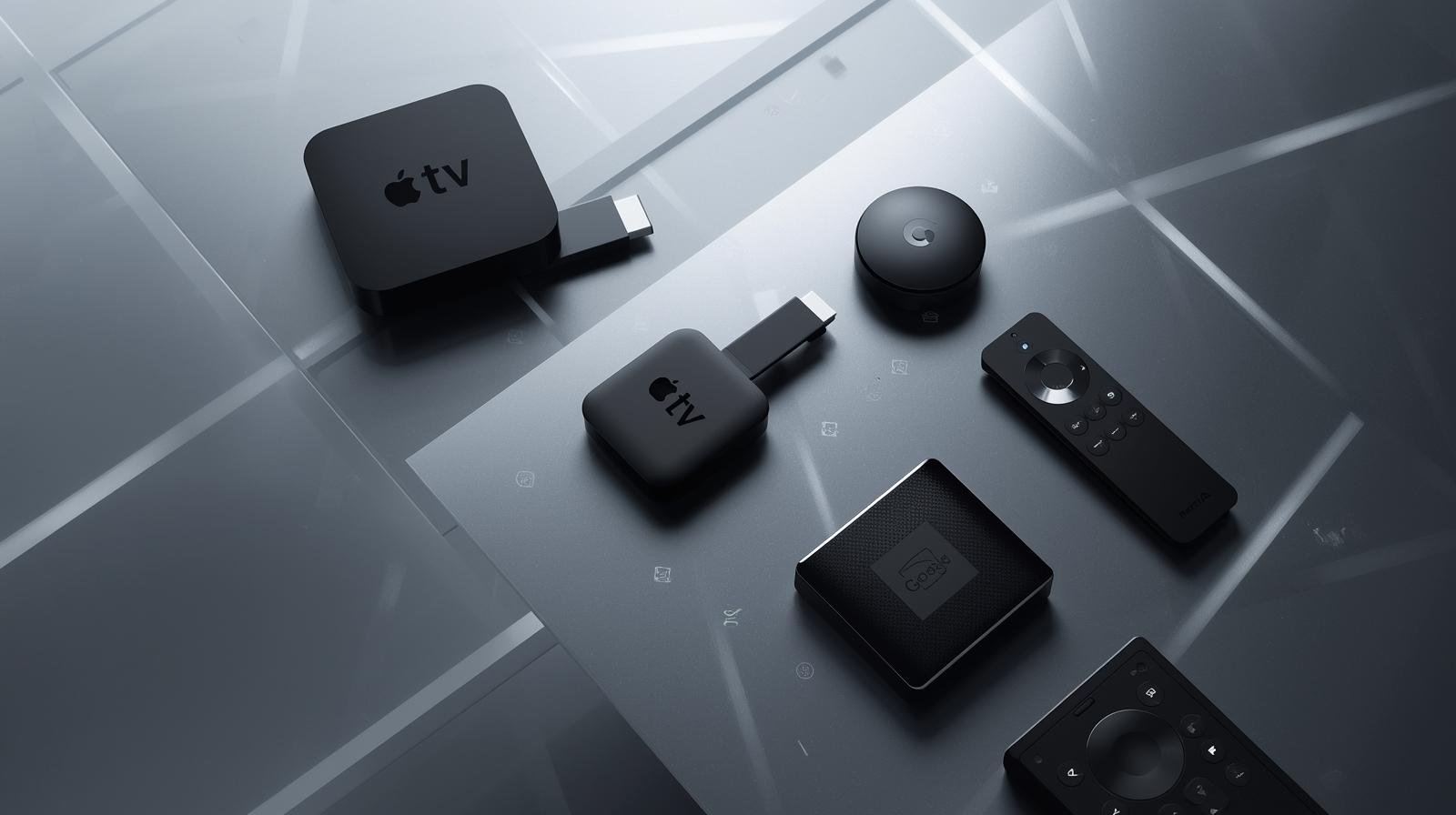
Best IPTV Devices for UK Streaming in 2025—Fire Stick, Apple TV & More Compared

 1. Introduction — why device choice still matters

Streaming is software-heavy, but the device you run that software on still matters. UK IPTV Devices Compared. Why?

  • Hardware decode for modern codecs (AV1/HEVC) dramatically reduces CPU load and bandwidth.
  • Network interfaces (Ethernet vs Wi-Fi 6/6E) affect buffering and 4K stability.
  • HDR/DRM and audio passthrough differences change whether you actually get Dolby Vision, HDR10+, or Dolby Atmos at home.
  • App performance, navigation speed and firmware update longevity determine user experience.

A well-chosen device will make your IPTV subscription feel premium; the wrong one will make it feel clunky and unreliable. This guide helps you pick the right hardware for UK IPTV streaming in 2025. UK IPTV Devices Compared.

2. How to evaluate a streaming device in 2025 — quick checklist

Before diving into models, use this short evaluation checklist:

  • AV1 hardware decode? (essential for efficient 4K streaming).
  • Network connectivity: Ethernet port or USB-to-Ethernet, Wi-Fi 6 or 6E support.
  • HDR & audio support: Dolby Vision, HDR10+, Dolby Atmos, eARC passthrough.
  • App availability: BBC iPlayer, ITVX, Netflix, discovery+, NOW, DAZN, Prime Video.
  • OS updates & app ecosystem longevity.
  • Local media friendliness: Plex/Jellyfin support, USB or NAS compatibility (for enthusiasts).
  • Price & value: hardware cost vs features required.

If a device ticks the first three boxes — AV1, modern Wi-Fi/Ethernet, and HDR/audio — you’re in good shape for 2025-era IPTV.

3. Amazon Fire TV family — best value and wide UK app support

Why Fire TV still leads value

Amazon’s Fire TV platform remains one of the most popular streaming ecosystems in the UK. The Fire TV Stick 4K Max offers a compact form, solid performance and broad app availability across UK services. It supports Dolby Vision, HDR10+, Dolby Atmos, and recent Fire TV models include hardware AV1 decode and Wi-Fi 6/6E on some SKUs — a meaningful future-proofing improvement for 4K IPTV streams.

Pros

  • Excellent value for money.
  • Broad app support (iPlayer, ITVX, NOW, discovery+, Netflix, Prime Video, etc.).
  • Small, unobtrusive form factor for bedrooms or secondary rooms.
  • AV1 hardware in recent models reduces bandwidth needs for 4K.

Cons

  • Fire OS homescreen prioritises Amazon content (tweakable but sometimes intrusive).
  • Some models vary — check the SKU for AV1/Wi-Fi 6E support before buying.

Best for: Value-conscious UK viewers who want 4K HDR streaming and compatibility with major IPTV apps.

4. Apple TV 4K — premium polish, excellent HDR/audio handling

Apple’s Apple TV 4K remains the premium streamer for users who favour polished system integration, consistent updates, and best-in-class HDR/Audio implementation.  Hardware and tvOS deliver excellent Dolby Vision and Atmos support, strong app performance, and deep integration if you’re invested in the Apple ecosystem (iCloud, AirPlay, HomeKit). Apple’s product pages emphasise 4K 60-fps HDR output, eARC support and a focus on crisp AV performance.

Pros

  • Polished UI and reliable app behaviour.
  • Strong HDR/DRM handling for premium VOD and IPTV providers.
  • Great audio features and spatial audio on compatible setups.

Cons

  • Price is higher than sticks.
  • AV1 support can vary by generation/firmware; confirm before purchasing if AV1 is crucial.

Best for: Apple-centric homes, cinephiles, and anyone wanting the smoothest, most consistent 4K/HDR/IPTV experience.

5. Google Chromecast with Google TV — clean UI and wide compatibility

Google’s Chromecast with Google TV (newer models) have matured into strong streamers with attractive UIs, Google search integration, and consistent OS updates. Newer Google TV streamers coming into 2024–25 include AV1 hardware decode on certain SKUs, making them competitive alternatives to Fire and Apple for efficient 4K streaming. They also offer tight Google Assistant integration and Chromecast casting convenience. UK IPTV Devices Compared.

Pros

  • Integrated Google search and watchlist.
  • Clean UI and reliable app support.
  • AV1 support on recent SKUs helps with bandwidth efficiency.

Cons

  • Hardware specs vary by SKU; check for AV1 & Wi-Fi 6.
  • Google’s update cadence is good, but some app behaviour differences exist across platforms.

Best for: Android/Google users who want strong discovery features and broad app compatibility.

6. Roku’s 2025 lineup and the UK launch — a new contender

Roku expanded into the UK market more aggressively in 2025, releasing refreshed streaming sticks with a focus on a neutral, user-friendly UI and lots of free FAST channels. Roku’s official press release confirms new Roku Streaming Stick availability in the UK in June 2025. Roku’s devices are strong on channel breadth, low cost, and a simple remote experience. 

Pros

  • Extremely user-friendly interface and excellent channel discovery.
  • Good price-to-performance (UK deals in 2025 made Roku more competitive).

Cons

  • Hardware features (AV1, Wi-Fi 6E) vary by model; check spec sheets.
  • App availability is good for mainstream apps but sometimes lags in niche app releases compared to Android/Fire.

Best for: UK buyers who want a straightforward, neutral UI with lots of free/FAST channels and good value.

7. NVIDIA Shield — the power user’s classic (still relevant in 2025)

For enthusiasts who run local media servers (Plex, Jellyfin), want advanced features and occasional gaming, NVIDIA Shield TV Pro has been the enthusiast favourite. As of 2025 the Shield remains noted for its local media capabilities and flexibility. Recent community discussion shows expectation for a refreshed Shield, but the existing Shield Pro continues to serve power users well. If AV1 hardware decode is a must for you, check current Shield firmware/spec notes as AV1 support status has been evolving. UK IPTV Devices Compared.

Pros

  • Excellent Plex/Jellyfin and local media performance.
  • Strong remote and ecosystem for tinkerers.
  • Robust hardware for transcoding tasks in home servers.

Cons

  • Older Shield generations may lack AV1 hardware decode (verify model).
  • Pricier than consumer sticks and may feel like overkill for casual streaming.

Best for: Media server enthusiasts, Plex users and people who want a highly configurable streamer.

8. Smart TVs vs external devices — when the TV is enough

Modern smart TVs from LG (webOS), Samsung (Tizen) and Sony (Google TV) include native apps for most IPTV services. For a living room TV bought in the last 2–3 years, the TV’s built-in app may be perfectly adequate. But there are reasons to pick an external device:

  • External devices get more frequent app updates and faster SoCs.
  • Sticks/boxes offer easier migration between TVs and better support for advanced codecs and audio passthrough.
  • If you value cutting-edge features (AV1, Wi-Fi 6E, or latest HDR), a separate streamer is often safer.

Rule of thumb: Use the TV’s native apps for convenience, but add a Fire/Apple/Chromecast stick for the best experience and future-proofing. UK IPTV Devices Compared.

9. Cheap sticks and budget picks that punch above their weight

Not everyone needs premium hardware. Budget sticks like the Fire TV Stick (non-Max) and lower-tier Roku sticks still deliver solid HD/4K experiences for most viewers, especially in secondary rooms. They may lack AV1 or Wi-Fi 6, but if you’re on a stable wired connection or 100+ Mbps fibre, they perform well for mainstream IPTV usage. Always check whether a cheap stick supports the particular IPTV app and required video DRM for 4K. 

Best cheap picks: Fire TV Stick 4K (standard), Roku Streaming Stick 4K (discounts often make these excellent buys).

10. AV1, HDR, Dolby Atmos and other tech you must care about in 2025

AV1: This codec gives better compression than H.264/H.265, reducing bandwidth for equivalent quality. Devices with hardware AV1 decode are preferable for 4K streaming on constrained connections. Amazon’s newer Fire TV models and many Google/Chromecast SKUs list AV1 support and the AV1 device matrix has been evolving.

HDR formats: Dolby Vision and HDR10+ deliver dynamic metadata and better picture on compatible TVs. Apple TV, many Fire TV devices, Roku, and modern TVs support Dolby Vision; confirm on the specific device page.

Audio: Dolby Atmos passthrough and eARC support matter if you use a soundbar or AVR. Apple TV and many premium devices provide mature Atmos handling.

Takeaway: Combine a device with AV1 and HDR/Atmos support, plus a TV that supports those HDR formats, to unlock the best IPTV picture and sound in 2025.

11. Network & router tips tied to device choice (Wi-Fi 6/6E, Ethernet, mesh)

Your device choice interacts with your home network:

  • If you pick a stick with Wi-Fi 6/6E, use a matching router to reduce congestion and latency. Fire TV Stick 4K Max and other new SKUs advertise Wi-Fi 6/6E.
  • Prefer Ethernet for the primary TV to ensure stable 4K streaming. Many sticks support USB-to-Ethernet adapters.
  • Mesh Wi-Fi: For large UK homes, a mesh with wired backhaul gives the best multi-room IPTV experience.
  • QoS on your router helps prioritise a main streaming device during match night.

These network steps—paired with a capable device—are the single most effective way to reduce buffering and improve stream stability. UK IPTV Devices Compared.

12. Device-specific configuration and performance tuning (practical how-tos)

Here are practical steps per device family to maximise IPTV performance.

Fire TV (stick/box)

  • Update Fire OS and apps.
  • Enable Ethernet via USB-C adapter if possible.
  • In settings, enable automatic 4K switching and HDR match where available.
  • Use developer settings sparingly for debugging.

Apple TV 4K

  • Turn on Match Frame Rate and Match Dynamic Range to avoid judder and HDR mismatches.
  • Use wired Ethernet for main TV.
  • Ensure tvOS is current.

Chromecast / Google TV

  • Keep Android TV/Google TV OS updated.
  • Use Google Home/Chromecast settings to prioritise the device on your network.
  • Confirm AV1 enabled on the specific SKU.

Roku

  • Keep apps updated via Roku OS.
  • Use the Roku remote/voice for quick content search if preferred.
  • Check explicit model support for HDR formats if 4K is needed.

NVIDIA Shield

  • Use Shield for Plex/Jellyfin server transcoding — check hardware decode options and set streaming profiles to leverage Shield’s capabilities.

13. Gaming consoles and other unexpected contenders

Consoles like PS5 and Xbox Series X/S are full-featured streamers with powerful CPUs, wide app support, and excellent HDR/4K output. If you already own a console, it’s often the easiest way to enjoy IPTV in the living room — though consoles consume more power and may not be ideal for bedrooms.

Smart Blu-ray players and some set-top boxes can also run IPTV apps; they’re niche but viable if you want fewer devices. UK IPTV Devices Compared.

14. Head-to-head comparisons & decision flowchart (which to buy)

Primary living-room — pick Apple TV 4K if:

  • You want the most polished interface, best HDR/Atmos pass-through and deep Apple ecosystem integration.

 value for most rooms — pick Fire TV Stick 4K Max if:

  • You want 4K HDR, AV1 support on newer SKUs, broad app support, and best-in-class price-to-performance.

 for Android/Google users — pick Chromecast with Google TV if:

  • You want Google’s discovery features and potential AV1 support on current models.

 for enthusiasts / local media servers — pick NVIDIA Shield if:

  • You need Plex/Jellyfin server performance, hardware transcoding, and advanced local media features.

 simple option — pick Roku if you want:

  • A neutral UI, lots of free channels, and easy setup (especially with recent UK availability).

15. Future-proofing: what to look for in 2026 and beyond

When buying, look for:

  • AV1 hardware decode — the single biggest future-proof feature for bandwidth efficiency.
  • Wi-Fi 6/6E support — helps in dense device households.
  • eARC support and Dolby Atmos passthrough — if you use a soundbar/AVR.
  • Regular firmware updates and a healthy app store ecosystem.
  • USB/Ethernet expansion options for wired reliability.

If you tick these boxes, the device will remain relevant for several years. UK IPTV Devices Compared.

16. Final recommendations for UK buyers (short & long lists)

  one solid pick for most people Buy this if you want :

  • Amazon Fire TV Stick 4K Max — best blend of price, app support, 4K/HDR and AV1 on newer SKUs.

the best overall experience buy this if you want:

  • Apple TV 4K (latest model) — premium UX, best HDR/Atmos handling and consistent updates.

if you are an enthusiast or run a local server buy this :

  • NVIDIA Shield TV Pro — powerful local media features and advanced options.

Budget/secondary-room options:

  • Roku Streaming Stick 4K, Chromecast with Google TV, or lower-tier Fire sticks depending on price and availability in the UK.

17. Appendix — Quick spec cheat-sheet & sources

Spec highlights (examples)

  • Fire TV Stick 4K Max: 4K HDR, Dolby Vision, Dolby Atmos, Wi-Fi 6/6E on newer SKUs, AV1 on newer SKUs.
  • Apple TV 4K: 4K 60fps HDR output, Dolby Vision, HDR10+, Dolby Atmos, eARC support, tvOS ecosystem.
  • Chromecast / Google TV: Google TV UI, AV1 on newer models, solid app support.
  • Roku Streaming Stick 4K: UK availability in 2025, solid 4K HDR and value.
  • NVIDIA Shield TV Pro: excellent for Plex/Jellyfin, still popular with enthusiasts; check AV1 status for your model.

Key sources (manufacturer pages & announcements)

  • Amazon Fire TV product pages and retailer listings.
  • Apple TV 4K technical specs and support pages.
  • Roku press release — UK device availability 2025.
  • AV1 device support list and reports.
  • NVIDIA community discussion and reviews on Shield in 2025.

18. FAQs

Q1 — Do I need AV1 support on my streamer right now?
A: If you plan to stream lots of 4K on constrained broadband, AV1 helps reduce data usage and maintain quality. It’s increasingly common in 2024–25 devices, so prefer a model with hardware AV1 if you want future-proofing.

Q2 — Will a cheap Fire Stick stream 4K IPTV reliably in the UK?
A: Yes for most users on decent fibre broadband. For the main living room and competitive live sports, prefer a model with AV1 and wired Ethernet where possible (or use a Fire TV Max with Ethernet adapter).

Q3 — Is Apple TV 4K worth the price premium?
A: If you care about polished UI, best HDR/Atmos handling, and long OS support, Apple TV is worth it. If you just want inexpensive 4K streaming, Fire TV or Chromecast can be better value.

Q4 — Is the NVIDIA Shield still a good buy in 2025?
A: For enthusiasts, yes — particularly for local media server usage. But check whether you need the Shield’s advanced features; for pure IPTV streaming a modern stick might be sufficient.

Q5 — Which device gives the best value for multi-room homes?
A: A mix: premium box (Apple TV or Shield) for the main living room and Fire TV/Chromecast/Roku sticks for bedrooms gives the best price-to-performance balance. Ensure your router/mesh network can handle multiple 4K streams. 

For more info….