Saving Money with IPTV UK: How It Beats Traditional TV Subscriptions

IPTV (Internet Protocol Television) is changing how people in the United Kingdom access TV. Rather than pay for multiple traditional services (satellite, cable, or terrestrial plus premium pay TV), viewers can pick and choose streamed channels, on-demand libraries and short-term passes. When done legally — with licensed IPTV UK providers or reputable aggregators — IPTV can deliver big savings, better flexibility, and improved device compatibility. However, there are trade-offs and risks: illegal IPTV services, malware on dodgy boxes, and loss of consumer protections. IPTV Beats Traditional TV.

Key load-bearing facts (sourced):

  • The UK’s TV and online-video market changed significantly through 2024–25; online video gains and shifting viewing habits are documented in Ofcom’s Media Nations 2025 report.
  • UK enforcement against illegal streaming remains active — PIPCU and other units have disrupted services and made arrests in 2025.
  • Industry/market reports show IPTV is a rapidly growing global market, indicating investment and options will expand.
  • Consumer warnings from industry bodies (FACT) and security researchers highlight malware and fraud risks tied to illicit IPTV and dodgy devices.
  • Action Fraud is the UK reporting body for fraud and cybercrime; suspicious providers and scams should be reported there. IPTV Beats Traditional TV.

Why IPTV can be cheaper — the economic logic

  1. Unbundling and choice
    Traditional pay-TV packages often bundle dozens of channels — many you never watch — into a single monthly fee. IPTV lets you subscribe only to services or channels you want (e.g., an SVoD library plus a sports add-on or a single aggregator), reducing wasted spend.
  2. Micro-subscriptions and day-passes
    IPTV and OTT platforms increasingly offer short-term access (day or event passes) and micro-subscriptions. If you only care about a small number of live events or series, you can pay only for those, saving compared with a full monthly cable/satellite bill.
  3. Lower distribution overhead
    IPTV providers who operate efficiently (using cloud/CDN delivery and smart caching) can deliver content at lower marginal cost than satellite distribution. Competitive pressure often results in lower per-user pricing or bundled promotions targeted at price-sensitive UK consumers.
  4. Promotional tiers & ad-supported models
    Many services now offer ad-supported lower-cost tiers (or subsidised bundles from ISPs) that reduce the monthly bill for users willing to accept advertising.
  5. Device flexibility reduces hardware cost
    IPTV often runs on devices you already own (smart TVs, Fire Sticks, phones), so you can avoid expensive set-top rentals or fees that some cable providers charge.

Sources of real savings: concrete examples

  • Replacing a full satellite package (which may include premium sports, movie add-ons and extra boxes) with a combination of an aggregator + a single sports pass for big match days can drastically cut annual costs.
  • Using trials (e.g., an IPTV UK free trial) to rotate subscriptions only during months you need them — e.g., pay for a sports pass in season months and cancel afterwards — lowers yearly spend.
  • Choosing a reputable, licensed IPTV service that bundles multiple broad channels can be cheaper than paying several individual broadcaster subscriptions separately.

Legal/ethical guardrails: do not confuse “cheap” with “legal”

Savings are attractive, but low prices often flag illicit services:

  • If a provider promises premium pay channels (Sky Sports, BT Sport equivalents, Netflix, big movie channels) at implausibly low monthly prices, treat it as suspicious. Many such offers are unlawful. Enforcement in the UK has targeted large illicit networks.
  • Illicit sellers often operate from anonymous social media, require crypto or untraceable payments, or supply pre-loaded “dodgy boxes”. These increase fraud and malware risk. Industry bodies like FACT have repeatedly warned against such boxes.

Rule of thumb: if a deal is too good to be true, it probably is. IPTV Beats Traditional TV.

How to identify cost-efficient legal IPTV services

  1. Transparent pricing & company details
    Legitimate vendors provide company registration, contact address, and clear refund terms. This protects you if the service fails or disappears.
  2. Payment methods with consumer protection
    Use card or PayPal, which offer chargebacks and buyer protection. Avoid wire transfers, vouchers or opaque crypto payments for subscription purchases.
  3. Official app availability
    Providers with apps in official stores (Amazon Appstore, Google Play, Apple App Store) are generally safer. If sideloading is required, verify APK checksums and provenance.
  4. Trial options
    Reputable providers often offer IPTV UK free trial periods or money-back guarantees. Use these to evaluate stream stability and EPG alignment without committing.
  5. Good reviews & community feedback
    Check multiple sources (independent review sites, forums, and recent posts). Watch for patterns of downtime or refund complaints.

Devices and network choices that cut costs

  • Use devices you already own: Smart TVs, Fire Sticks, tablets and phones can run legal IPTV apps — avoiding rental fees for ISP set-top boxes.
  • Wired connections: Ethernet reduces buffering (so you don’t pay for higher tiers to overcome poor Wi-Fi).
  • Energy & hardware savings: Small, low-power streaming sticks are cheaper to run than full set-top boxes.

The danger of “false savings”: scams, malware, and hidden costs

Cheap, illegal IPTV can impose hidden costs:

  • Fraud and identity theft: Unverified sellers can steal payment info or resell data. Reportable fraud in the UK is handled by Action Fraud.
  • Malware and device takeover: Pre-loaded boxes and cracked APKs have been linked to malware campaigns that steal credentials or display intrusive ads. Security researchers have uncovered vast piracy networks that reuse domains and host malicious code.
  • Service instability & loss of access: Illicit services can disappear overnight, leaving you out of pocket. UK enforcement continues to seize servers and disrupt networks.

These downstream costs often outweigh any short-term subscription savings. IPTV Beats Traditional TV.

Comparing real budgets: IPTV vs Traditional pay TV (example scenarios)

Scenario A — Traditional pay TV household (UK)
Satellite/cable package with premium sports + movie add-ons + second set-top box. Typical monthly cost (example): £70–£120. Annual: £840–£1,440.

Scenario B — Legal IPTV approach
Base aggregator (licensed) £20/month + sports event passes and a Netflix/Prime bundle averaged across the year = £35–£50/month. Annual: £420–£600.

Savings: £420–£840 per year in this simplified example, depending on which sports packages you require and how many add-ons. (Your mileage varies — sports-heavy users may find less savings.)

This shows the potential savings; the actual outcome depends on rights you need (especially live sports), whether you accept ad-supported tiers, and whether you choose day-passes or rotating subscriptions. IPTV Beats Traditional TV.

Practical advice: balancing savings with safety

  1. Start with trials — use IPTV UK free trial offers to test stability and device compatibility. Prefer trials that don’t auto-charge or require lots of personal data.
  2. Mix and match legally — combine a licensed aggregator for core channels with event passes for sports months. This is often cheaper than a permanent full premium package.
  3. Watch the renewal traps — note trial end dates and automatic renewals. Use calendar reminders.
  4. Use secure payment — credit cards or PayPal allow disputes. Keep records.
  5. Avoid pre-loaded “dodgy” boxes — they often bring malware and no consumer recourse. FACT and other industry groups have warned consumers about these devices.
  6. Use reputable players and official stores — install IPTV Smarters Pro or other clients only from verified app stores where possible and verify any sideloaded files.
  7. Report scams — if you suspect fraud, report to Action Fraud and to the app stores where the malicious APK appeared.

 step-by-step walkthrough — Choose, Test, Subscribe, Save (practical)

1) Define your viewing needs
Write a short list: must-have channels (e.g., BBC, ITV), must-watch sports, number of simultaneous streams, devices you own, and budget. Example: “I need BBC/ITV + one sports channel; two streams; budget £30/month.” IPTV Beats Traditional TV.

2) Shortlist legal providers
Search for providers that state licensing or list known channel deals. Use reputable comparison sites and community forums. Exclude sellers that insist on crypto/vouchers only or lack company details.

3) Check device compatibility and app availability
Confirm the provider supports your primary device (Fire Stick, Apple TV, Android TV). If you want to use IPTV Smarters Pro, ensure the provider supplies M3U/Xtream credentials or an official store app.

4) Trial the service
Sign up for an IPTV UK free trial where possible. Prefer trials that do not require card details; if a trial requires a card, set an early calendar reminder for cancellation. During the trial:

  • Test during peak hours.
  • Try HD and standard channels.
  • Check EPG accuracy (set timezone to UK).
  • Test catch-up/VOD features.
  • Test simultaneous streams if household uses multiple devices.

Final checklist: how to save money safely with IPTV UK

  • Use IPTV UK free trial offers to test before you pay.
  • Prefer licensed aggregators and official broadcaster apps.
  • Pay by card/PayPal for protection.
  • Avoid pre-loaded boxes from anonymous sellers.
  • Combine event passes + base packs for seasonal savings.
  • Keep device/network tuned (Ethernet, QoS).
  • Report suspicious sellers to Action Fraud and FACT.

Closing thoughts

IPTV offers genuine opportunities for UK viewers to save money on their TV diet — if they use licensed, transparent services and actively manage subscriptions. The promise of lower cost is real: unbundling, micro-subscriptions, trials, and ad-supported tiers all let viewers pay precisely for what they watch. However, false economies — cheap illegal bundles or dodgy boxes — can cost far more in fraud, malware, and lost access, and UK enforcement against illicit IPTV operations remains active. Use trials intelligently, prefer official apps and payment methods, and report any scams. Done right, IPTV UK is a powerful tool for cutting costs without sacrificing choice. IPTV Beats Traditional TV.

Selected sources & further reading

  • Ofcom, Media Nations 2025 (UK media and online video trends).
  • City of London Police / PIPCU press release on illegal streaming disruption (July 2025).
  • Research And Markets IPTV Market Report 2025 (global market growth).
  • FACT (Federation Against Copyright Theft) guidance and enforcement updates.
  • TechRadar coverage of large piracy networks and malware risks.
  • Action Fraud (UK national reporting centre for fraud and cyber crime). 

Troubleshooting Common IPTV UK Issues: A User’s Guide

If you use IPTV UK services — whether you’re testing an IPTV UK free trial, managing an ongoing IPTV subscription, or moving between IPTV providers — you’ll occasionally hit problems: buffering, poor picture quality, audio sync issues, EPG mismatches, or app crashes.This guide explains the common causes, step-by-step fixes, preventative measures, and device-specific tips for the most popular setups (Fire TV / Fire Stick, Android TV & set-top boxes, Apple TV, Smart TVs, and PCs/Raspberry Pi). It also highlights best practice for safety and legal compliance with British IPTV offerings and recommends how to evaluate best IPTV options in 2025. IPTV UK Help Manual.

Read on to troubleshoot effectively, preserve your viewing experience, and keep your IPTV subscription secure.

Quick orientation: what “IPTV” means and what to expect

First, a short primer. IPTV (Internet Protocol Television) is a delivery method — it sends video over IP networks instead of satellite or cable. A lawful IPTV service will have licensing to distribute content; an unlawful service will stream copyrighted content without permission. Regardless of legality, many technical problems are the same: network congestion, device limitations, app configuration errors, or provider-side issues. Therefore, focus first on the technical checklist below, then consider legal and provider factors.

Common IPTV issues (overview) — symptoms and likely causes

  1. Buffering & stuttering
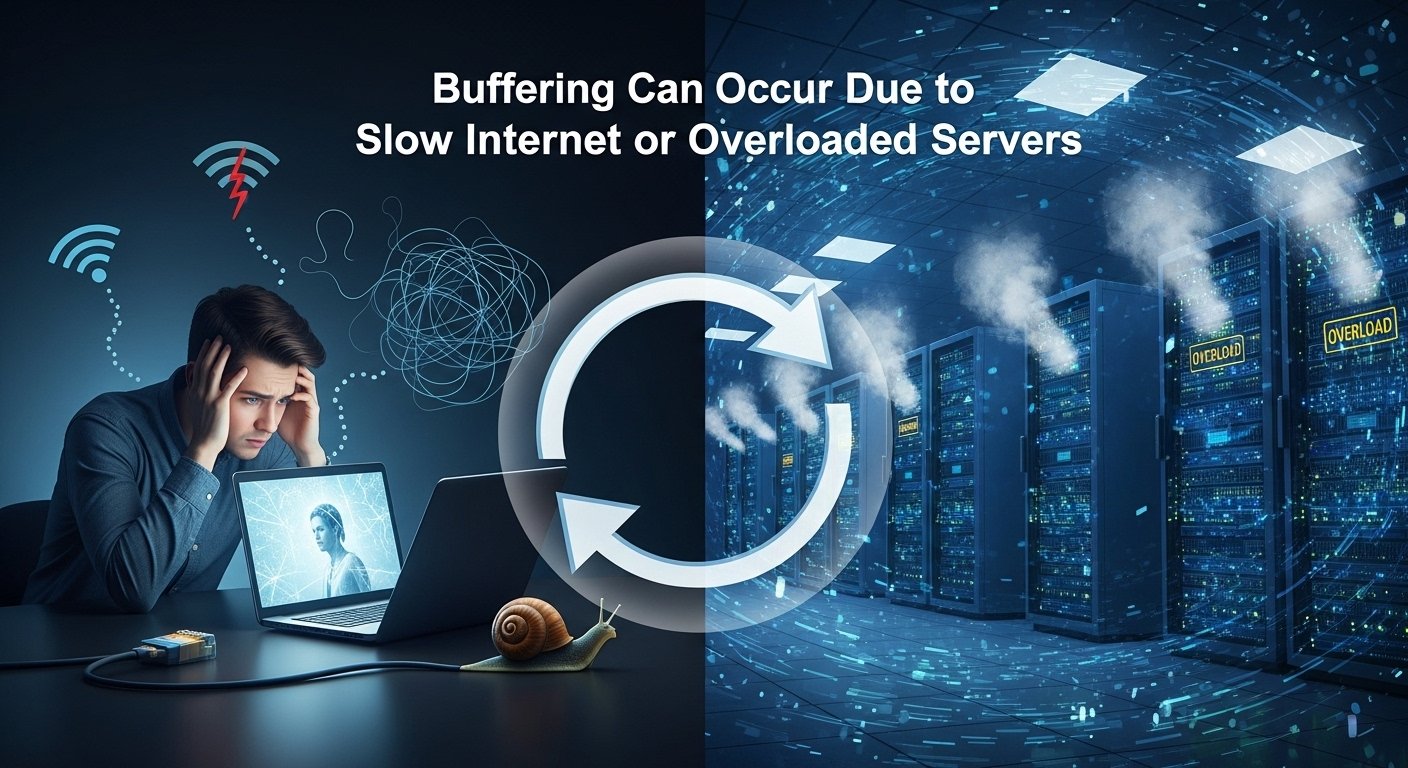
    Likely causes: insufficient bandwidth for the stream quality, Wi-Fi interference, router/ISP congestion, or overloaded provider servers.
  2. Poor picture quality / pixelation
    Likely causes: adaptive bitrate dropping due to poor bandwidth, wrong video decoder settings on device, or a low-quality stream from the provider.
  3. Audio/video sync (lip-sync) problems
    Likely causes: player buffering strategies, decoder issues, or mismatched audio track/frame rates.
  4. EPG (electronic programme guide) mismatches
    Likely causes: incorrect timezone settings, EPG source not aligned to UK schedules, or stale EPG cache.
  5. App crashes / freezes
    Likely causes: app bugs, outdated firmware or OS, corrupted cache, or insufficient device memory.
  6. Channels missing / geo-blocked
    Likely causes: rights restrictions, provider configuration errors, or provider removed channels.
  7. Cannot login / invalid credentials
    Likely causes: incorrect Xtreme/M3U credentials, account blocked or expired, or provider authentication issues.
  8. Slow startup / long time to load channels
    Likely causes: DNS issues, slow provider backend, or device performing background updates.
  9. Security and malware concerns
    Likely causes: sideloaded APK from untrusted sources or pre-loaded grey-market boxes.

Immediate troubleshooting checklist

  • Restart device and router (power cycle both).
  • Switch to a wired Ethernet connection if available.
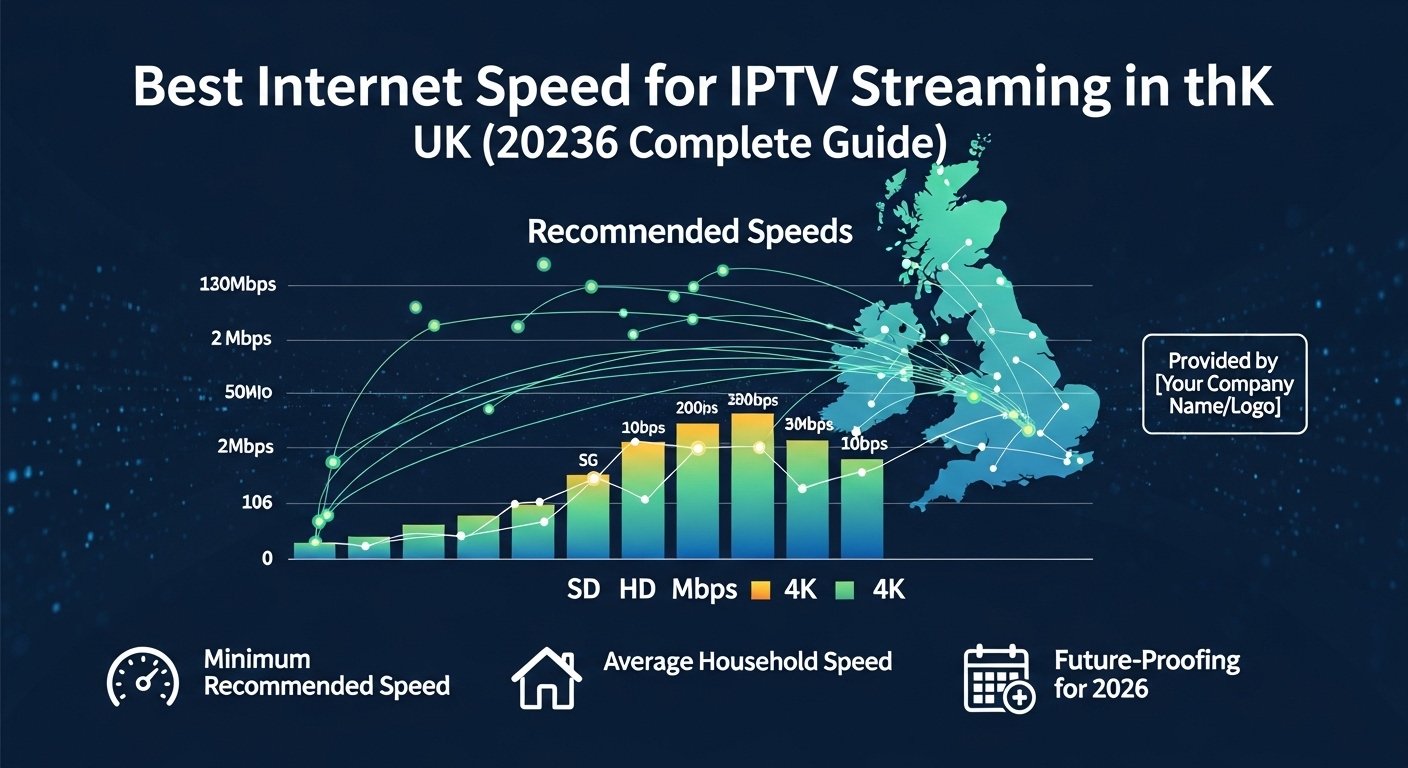
  • Run an online speed test on the device or another device on the same network. For HD aim for 8–12 Mbps per stream; for 4K aim for 25+ Mbps per stream.
  • Clear the app cache (IPTV player app) and, if necessary, reinstall the app from the official store.
  • Verify timezone / EPG settings (set to United Kingdom / GMT or BST).
  • Confirm provider status — check the provider’s status page, support channels, or community discussion for outages.
  • If using a VPN, temporarily disable it to see if it’s causing routing or speed issues.
  • If sideloading APKs, verify checksums if provided; otherwise, remove and reinstall from an official store when possible.
  • Test an alternate player (e.g., use VLC or a browser web player if the provider offers one) to isolate whether the issue is app-specific or provider/network-related. IPTV UK Help Manual.

Device-specific troubleshooting

1. Amazon Fire TV / Fire Stick (including 4K / 4K Max)

  • Common issues: buffering on Wi-Fi, sideloaded APK instability, remote lag.
  • Fixes:
    • Use a powered Ethernet adapter for stable connection.
    • In Settings → Applications → Manage Installed Applications → clear cache for the player (e.g., IPTV Smarters Pro).
    • Uninstall and reinstall the app from the Amazon Appstore where possible.
    • If sideloading, verify the APK source and do not install “patched” pro versions.
    • Use the Fire Stick’s Developer Options to monitor CPU usage during playback; close background apps.
    • For remote lag, check batteries and reduce interference (move Wi-Fi router away from other wireless devices).

2. Android TV boxes & NVIDIA Shield

  • Common issues: hardware acceleration misconfigured; AV1/HEVC support inconsistent.
  • Fixes:
    • Enable HW acceleration in player settings for smoother playback.
    • Update the Android OS and the player app via Google Play.
    • If video fails on 4K channels, force the player to use software decoding as a test; if it works, then the issue is codec/hardware related.
    • Use Ethernet where possible; configure QoS on your router to prioritise the device.

3. Apple TV (tvOS)

  • Common issues: app not available (tvOS restrictions), AirPlay issues, app crashes.
  • Fixes:
    • Prefer provider native tvOS apps. If using AirPlay from an iPhone, ensure both devices are on the same network and have the latest updates.
    • Reinstall the tvOS app and check for tvOS updates in Settings → System → Software Updates.
    • If playback is slow, disable Background App Refresh and ensure low power mode isn’t affecting network performance.

4. Smart TVs (Tizen, webOS)

  • Common issues: slow UI, app not listed in the vendor store, limited codec support.
  • Fixes:
    • Check the TV app store for official provider apps.
    • Update TV firmware via the manufacturer’s settings menu.
    • If app is not available, use an external device (Fire Stick / Shield) for better app compatibility rather than sideloading.
    • Reduce picture processing features (motion smoothing) temporarily if they lead to frame drops.

5. PCs & Laptops, Raspberry Pi

  • Common issues: browser plugin conflicts, hardware decoding not enabled, SD card issues on Pi.
  • Fixes:
    • Use modern browsers (Chrome, Edge) and enable Hardware Acceleration in browser settings.
    • On Raspberry Pi use official images (LibreELEC/OSMC) and ensure the SD card is high quality (A1/A2 class).
    • Keep antivirus up to date, but whitelist trusted local playback apps to avoid false positives interfering with streams.

Network & router troubleshooting — the backbone of IPTV

Diagnose first

  • Check raw bandwidth: run a speed test from a wired device.
  • Check for packet loss using simple tools (ping to 8.8.8.8 repeatedly). High packet loss (>1–2%) can cause stuttering.
  • Check latency: high jitter or latency spikes hurt live sports streams.

Router tweaks

  • Use Quality of Service (QoS) to prioritise streaming devices.
  • Disable AP isolation and guest network for devices that need local discovery (if safe).
  • Ensure DNS is set to a reliable provider (ISP, Google 8.8.8.8 / 8.8.4.4, or Cloudflare 1.1.1.1) — sometimes DNS resolution delays slow app startup.
  • For congested Wi-Fi, move to 5 GHz, use a less crowded channel, or enable Wi-Fi 6 features if supported.
  • If multiple streams occur concurrently, consider increasing broadband plan speed.

App & stream troubleshooting: configuration and logs

  • Check player settings for buffer sizes, network timeouts, and decoder choice. Increasing buffer size reduces rebuffering at the cost of startup latency.
  • Enable debug or logging modes if available and review for repeated errors (authentication failures, stream 403/404, or codec errors).
  • For M3U/Xtream services, confirm correct URL format, username, and password. Copy/paste carefully — stray spaces break login.
  • If channel list appears but no picture, it can be a firewall/port blocking issue either at your network or the provider side — contact provider support with log samples. IPTV UK Help Manual.

EPG, timezone and guide issues (common and fixable)

  • Check the EPG timezone option inside your player; set it to Europe/London or United Kingdom for correct listings.
  • If the EPG shows wrong programmes, refresh or re-import the EPG source (some players fetch fresh EPG only on app restart).
  • For persistent mismatches, ask the provider if they use a dedicated EPG ID mapping — reputable providers can resync or provide corrected EPG files.

Authentication, subscription and provider-side problems

  • Confirm your IPTV subscription is active and not expired. Many provider portals show active devices; check the provider dashboard.
  • If you get “Maximum concurrent connections” errors, it means your account is being used elsewhere or exceeds the subscription limit — contact the provider to reset sessions.
  • For invalid login errors, reset your password via the provider portal rather than repeatedly attempting login (prevents lockouts).
  • If many channels fail simultaneously, ask the provider if they are performing server maintenance. Reputable IPTV service providers post outage notices and status updates. IPTV UK Help Manual.

Security & safety checks (must-do for UK viewers)

  • Install apps from official stores (Amazon, Google Play, Apple App Store) when possible. Avoid random APK sites.
  • If you use third-party players like IPTV Smarters Pro, download the official build and check seller/provider instructions carefully.
  • Avoid “pre-loaded” grey-market boxes sold via social media; they often include malware and no updates.
  • Use secure payment (card, PayPal) for your IPTV subscription and keep receipts.
  • Report suspicious apps or services to Action Fraud and app stores if you suspect fraud or malware.

When to contact your IPTV provider vs. ISP vs. device vendor

  • Provider: channel-specific failures, black screens with provider status messages, login/authentication errors, or EPG mismatches.
  • ISP: general internet slowness, packet loss, DNS failures, or if multiple online services (not just IPTV) exhibit poor performance.
  • Device vendor: device crashes, firmware update problems, HDMI/HDCP errors, or device-specific app incompatibilities.

When contacting support, provide: device model, app name and version, network type (Wi-Fi/Ethernet), a short description of the reproducible issue, timestamps, and any error messages. This speeds diagnosis. IPTV UK Help Manual.

Advanced diagnostic steps (for power users)

  • Capture a short network trace (using Wireshark on a PC) to check for packet loss or retransmissions. Look for TCP retransmits or UDP jitter.
  • Use traceroute to the provider’s server to check for ISP routing issues.
  • Temporarily change DNS to 1.1.1.1 or 8.8.8.8 to test if provider endpoints resolve better on alternate DNS.
  • On Android/PC players, enable and read logs. Search for codec or DRM errors which indicate missing system codecs or failed license acquisition.

 step-by-step troubleshooting walkthrough

This walkthrough is intentionally device-agnostic at first, then gives specific actions for Fire TV/Android TV/Smart TV/PC users. Follow these steps in order to isolate and fix most common IPTV UK problems.

 A — Quick triage

  1. Note the symptoms: buffering? No picture? Login error? EPG wrong?
  2. Reproduce the problem once and note the exact time and channel.
  3. Restart the streaming device and router. Power cycling resolves transient issues. Wait 60 seconds before rebooting devices to clear caches.

 B — Network tests

  1. Run a speed test from a wired device (or from the same Wi-Fi band). For HD aim for ≥10 Mbps per stream; for 4K ≥25 Mbps. If speed is much less than expected, reboot the router and retest.
  2. Ping 8.8.8.8 for 30 counts (ping -n 30 8.8.8.8 on Windows; ping -c 30 8.8.8.8 on macOS/Linux). Look for packet loss. If >1–2% packet loss, contact your ISP.

 C — App checks

  1. Update the IPTV app to the latest version via the official app store.
  2. Clear app cache and storage (this will require you to reconfigure credentials in some apps).
  3. Reinstall the app if clearing cache fails.
  4. If using third-party players (IPTV Smarters Pro, TiviMate), try the provider’s native app or web player to compare results.

Fallbacks and escalation

  • If you need immediate viewing (e.g., live sports) and the provider can’t fix it fast, switch to a backup legal source (broadcaster app or licensed temporary pass).
  • If you suspect fraud or malware, report to Action Fraud and the app store, and consider a device factory reset.

Preventative tips & best practices

  • Use wired Ethernet where possible.
  • Keep apps and firmware patched.
  • Use official apps and verified downloads for players like IPTV Smarters Pro.
  • Use a reliable DNS and enable router QoS.
  • Maintain a compact set of trusted providers rather than many small, unreliable sources.
  • Record renewal dates to avoid being locked into a faulty service.

Conclusion

Troubleshooting IPTV UK is often a process of elimination: network → app → device → provider. By following the stepwise checks and device-specific tips above, most common issues — buffering, EPG mismatches, app crashes, and authentication problems — can be resolved quickly. Remember to prioritise legal, licensed IPTV subscriptions, avoid dodgy pre-loaded boxes, and use official app stores and secure payment methods. If an issue persists, gather diagnostics and work with your IPTV service provider and ISP — they can usually identify whether the fault sits in the network, the device, or on the provider side. IPTV UK Help Manual.

How IP-TVUK Delivers Ultra Low Latency for Live Sports

Live sports are one of the most latency-sensitive forms of streaming: fans want the action in near real-time, broadcasters need tight synchronization for betting and graphics, and rights holders require secure, reliable delivery. In the United Kingdom — where football, rugby, cricket and other live events attract millions of simultaneous viewers — IPTV UK providers that can offer ultra low latency have a competitive edge. IP-TVUK (the operator described in this guide) focuses on delivering the best IPTV experience by combining modern codecs, edge delivery, optimized player pipelines (including compatibility with clients such as IPTV Smarters Pro), and rigorous network engineering. Consequently, sports fans subscribing to an IPTV subscription (and those testing an IPTV UK free trial) get smoother, faster, and more engaging live coverage. Low-Latency Sports Delivery.

Below I explain the core techniques IP-TVUK uses — from capture and ingest to CDN and player tuning — and provide a practical, 800-word step-by-step implementation guide you can follow if you’re deploying or evaluating an IPTV service or assessing the best IPTV 2025 candidates.

Why latency matters for live sports

First, a quick orientation. Latency is the delay between the real-world event and what viewers see on screen. For live sports, even a few seconds can matter: goal celebrations, live betting, social interactions, and multiview synchronization all depend on minimal lag. Traditional satellite and cable may introduce 3–10 seconds (or more) of latency; older internet streaming can go even higher. Ultra low latency (ULL) aims to bring glass-to-glass delay down to near real-time — often sub-three seconds, and ideally <1s for some workflows.

That matters to viewers and therefore to IPTV providers and IPTV subscriptions marketed as premium services. In the United Kingdom IPTV market, operators that achieve ultra low latency for marquee events will attract sports fans and retain subscribers. Low-Latency Sports Delivery.

The latency reduction stack — end-to-end overview

IP-TVUK reduces latency by optimizing every link in the chain. The major layers are:

  1. Capture & encoder right at the source — ingest capture should be low-latency, with direct feeds from OB vans or contribution encoders connected via secure links.
  2. Low-latency codecs & chunking — use codecs and packaging (e.g., CMAF with low-latency chunked transfer, fMP4 CMAF with short chunk durations, or LL-HLS) to reduce chunk size and fetch intervals. HEVC or AV1 with tuned GOP/chunk sizes balance quality and latency.
  3. Origin & edge placement — small, distributed origin servers and edge compute (edge encoders, packagers, or edge caching) reduce round-trip times. Edge placement near UK population centers is essential for British IPTV viewers.
  4. Optimised transport — QUIC/HTTP3, TLS session resumption, and selective use of UDP-based transport for live segments reduce handshake overhead and jitter.
  5. Adaptive bitrate (ABR) logic tuned for latency — ABR algorithms must prioritise consistent buffer over aggressive upshifts; once a stream is running, minimise abrupt bitrate switches that increase perceived latency.
  6. Player pipeline and buffer management — client players (including IPTV Smarters Pro) must implement low-latency playback loops: smaller initial buffer, paced fetching, and low-latency jitter buffers.
  7. Synchronized CDN and multicast edge — combine CDN edge caching with multicast within ISP networks (where available) to scale without increasing latency.
  8. Monitoring & telemetry — continuous glass-to-glass monitoring ensures SLA and rapid incident response.

Each layer contributes, and the entire stack must be tuned holistically. Below I unpack the technical choices and tradeoffs in more detail. Low-Latency Sports Delivery.

Capture & encoder configuration: starting with the lowest possible delay

Latency optimisation begins at the source:

  • Frame capture & encoding: Capture at the OB facility should use low-latency encoders with short GOP (Group of Pictures) and small keyframe intervals. For example, IP-TVUK configures encoders to use 1–2 second GOPs and enables low-delay profile settings when using H.264/H.265 or HEVC.
  • Encode ladder planning: Predefine a low-latency ABR ladder, where the top bitrate uses hardware acceleration and the lower rungs avoid overly small chunk sizes that increase overhead.
  • Direct contribution links: Use dedicated contribution links (SRT, Zixi, RIST) for contribution transport into the origin cluster; these protocols reduce packet loss and support sub-second delivery with packet re-ordering and FEC. Many OB vans and rights holders already provide these feeds, and IP-TVUK uses them with built-in redundancy.

By reducing encode delay and minimizing contribution buffering, the service gains valuable milliseconds at the outset. Low-Latency Sports Delivery.

Packaging, chunking and transport: CMAF, LL-HLS, QUIC and beyond

The packaging and transport layer is where internet streaming won its long-running battle with latency.

  • CMAF with low-latency chunking: CMAF (Common Media Application Format) supports fragmented MP4 and can be used in a chunked manner where chunks are sub-second (e.g., 200–500ms). IP-TVUK uses CMAF chunking so the player can start playback as soon as the first chunk arrives.
  • Low-latency HLS (LL-HLS): For Apple ecosystem compatibility, LL-HLS is implemented in parallel (shortened segment windows, partial segments). This ensures Apple TV and iOS viewers get low-latency streams.
  • HTTP/3 and QUIC: QUIC reduces handshake delays compared to TCP/TLS and improves recovery under packet loss. IP-TVUK evaluates HTTP/3 for key flows to minimise transport latency.
  • Edge packagers: Instead of packaging at a central origin, IPTVUK performs packaging at edge POPs (points of presence). That reduces distance and hence round-trip time for segment requests.
  • FEC & jitter buffers: A short, adaptive jitter buffer smooths out network variance without adding long delays; forward error correction (FEC) across small groups of packets reduces retransmit waits.

Together, these choices ensure that segments arrive fast and can be played quickly.

CDN, peering, and ISP collaboration: shortening the last mile

Edge placement matters:

  • Regional POPs: IP-TVUK deploys POPs close to major UK population centers (London, Manchester, Birmingham, Glasgow) to reduce last-mile hops.
  • Dedicated peering and private interconnects: Direct peering with major UK ISPs (and using IXPs like LINX) reduces transit latency. In some cases, IP-TVUK partners with ISPs to deploy local caching or multicast solutions inside ISP networks for live events.
  • Multi-CDN & dynamic routing: Using multiple CDNs and dynamic origin selection prevents congestion and avoids single-point latency spikes.

Crucially, by working with ISPs and using peering, IPTVUK reduces path length and variability which in turn lowers glass-to-glass delay. Low-Latency Sports Delivery.

Player implementation: how clients keep latency low 

Even with optimised backend flows, the player must be tuned:

  • Smaller initial buffer: Instead of a large startup buffer, IP-TVUK configures players to use a small startup buffer (e.g., 500–800ms) while using smarter rebuffer recovery.
  • Paced fetching & partial segment playback: Players request partial segments and start decoding mid-segment as data arrives. This approach reduces time-to-first-frame.
  • Clock sync and PTS/DTS handling: Accurate PTS/DTS handling and server-client clock synchronization (via NTP or timestamping) prevents drift and supports synchronized multi-viewer experiences.
  • ABR safety limits: Limit aggressive bitrate ramps during live events; instead, prefer conservative upshifts. That reduces rebuffering and perceived latency.
  • Compatibility: IP-TVUK provides configuration profiles for popular clients including IPTV Smarters Pro, TiviMate, native Smart TV apps, and web players so users can get optimal ULL behavior out-of-the-box.

When combined, a tuned player pipeline minimizes buffering without sacrificing quality.

Reliability & security: protecting low-latency streams

Live sports are high-value and attractive to attackers:

  • DRM & watermarking: Use DRM (Widevine, FairPlay) and forensic watermarking to protect rights while not unduly increasing latency. IPTVUK balances license acquisition times with overall latency budgets.
  • DDoS protection: Edge protection prevents denial-of-service events from adding delay or outage.
  • Multi-origin failover: If an origin fails, edge servers can failover to a warm standby with minimal interruption.

Security must be part of the low-latency plan, not an afterthought.

Monitoring, telemetry, and operational playbooks

You can’t manage what you can’t measure. IP-TVUK runs continuous telemetry to measure:

  • Glass-to-glass latency (capture timestamp → display timestamp).
  • Segment arrival times, decode latency, and player buffer depth.
  • Packet loss, retransmit rates, and CDN edge health.
  • User experience metrics (startup time, rebuffer events, bitrate switches).

With automated alerts and runbooks, the operations team can fix anomalies before large audiences notice. Low-Latency Sports Delivery.

Business and UX implications for UK IPTV subscribers

For IPTV UK consumers, ultra low latency offers real advantages:

  • Better live sports experience (less spoilage, more immediate reaction).
  • More accurate second-screen experiences (live stats, bets, and social feeds).
  • Competitive differentiation for best IPTV operators offering low-latency tiers as part of an IPTV subscription package or as a premium add-on.

For users evaluating providers or using an IPTV UK free trial, ask about latency numbers, POP location, and player support (including whether the provider supplies tuned profiles for IPTV Smarters Pro or other clients).

800-Word Step-by-Step Walkthrough: Implementing Ultra Low Latency

The section below is a practical 800-word walkthrough you can follow to implement ultra low latency for a live sports event with an IPTVUK style architecture. It assumes you have access to capture, CDN, edge POPs, and player development resources. Low-Latency Sports Delivery.

1 — Requirements & planning
First, define the target glass-to-glass latency (for live sports, aim for <3s; for competitive workflows target <1s if possible). Next, list devices to support (Smart TV, Fire Stick, Apple TV, web, mobile). Confirm rights/DRM constraints and gather OB contribution specs. Arrange peering contacts with major UK ISPs and select POP locations (London, Manchester, Birmingham, Glasgow).

2 — Source capture & encoder configuration
At the event feed, configure contribution encoders for low-delay mode: GOP ~1–2s, low-delay profiles, and small B-frame usage. Use contribution transport like SRT/Zixi with FEC enabled and 50–200ms playout buffers for reliability. Ensure timestamps are precise (PTS/NTP) and embed event source timestamps in the stream for end-to-end latency measurement.

3 — Edge packaging & chunking
Deploy edge packagers in the selected POPs. Configure CMAF partial segments (e.g., 250–500ms chunk size) and set the segment window small (e.g., 2–3s). For Apple targets, parallelise LL-HLS partial segments with matching durations. Tune the packager to emit a CMAF manifest with #EXT-X-PART entries or CMAF chunked fMP4 fragments. Keep initial manifest TTL short for live.

4 — Transport & CDN selection
Choose CDNs that support HTTP/3 and exhibit low-latency delivery. Configure multi-CDN failover and ensure POPs are peered with UK IXPs. Where possible, negotiate private interconnects with ISPs to shorten the last mile. Enable QUIC for edge communications and keep handshake overhead low by using TLS session resumes and 0-RTT where safe.

5 — Player engineering & ABR strategy
Implement player behaviors: small startup buffer (500–800ms), partial segment fetching, and immediate decode of sub-segments. Integrate PTS-aware decode path and timestamp synchronization (via NTP or signed timestamps). ABR must be conservative: prefer steady bitrates and avoid aggressive ladder jumps. For widely used clients (e.g., IPTV Smarters Pro), provide recommended build/profile settings or SDK hooks that users can enable for ULL playback.

How this benefits UK viewers and IPTV subscription models

By implementing these techniques, IP-TVUK delivers a sports viewing experience that is competitive with, and often superior to, legacy broadcast latency. For subscribers in the United Kingdom, this means:

  • More immediate live action, less chance of social media spoilers.
  • Higher perceived quality and value for IPTV subscriptions and the potential for premium low-latency tiers.
  • Better interactive features (live stats, betting, second screen sync) that depend on tight timing.

When choosing a provider, shoppers should ask about measured latency for live events, POP locations in the UK, whether the provider supports low-latency players, and whether trial options (an IPTV UK free trial) allow testing of live event latency on the devices those viewers own.

Final thoughts & consumer guidance

Ultra low latency is a technical challenge that requires end-to-end design. For UK IPTV consumers looking for the best IPTV UK experience in 2025, ask providers for concrete latency SLAs, POP locations, and device support (including whether they publish recommended settings for common players like IPTV Smarters Pro). Trials let you measure real latency on your network and devices — so take advantage of any IPTV UK free trial. Ultimately, operators like IP-TVUK that combine modern codecs, edge packaging. ISP peering, and tuned players provide the most compelling live sports experience for British viewers. Low-Latency Sports Delivery.

How to Spot Fake IPTV Providers — UK Buyer’s Guide

IPTV (Internet Protocol Television) simply means TV delivered over the internet. In the United Kingdom, many reputable iptv services exist; at the same time, illicit providers sell pirated content via M3U/Xtream playlists, hacked apps, or “jailbroken” devices. UK Fake IPTV Guide. These fake iptv providers damage the industry, expose buyers to malware and fraud, and can result in sudden loss of service. Therefore, whether you’re searching for the best iptv uk option, testing an iptv uk free trial, or evaluating an iptv provider, you need to know the red flags and due-diligence steps.

Key warning signs of fake IPTV providers

Before we go deep, here are the most common and obvious red flags. UK Fake IPTV Guide. If a seller shows any of these, treat them with extreme caution:

  • Too cheap to be true: “All channels, all sports, lifetime £5” — improbable pricing for premium rights.
  • Anonymous seller details: No company name, no postal address, only social media contacts (Telegram, WhatsApp).
  • Payment via untraceable methods only: Crypto, gift cards, or bank transfer without invoice.
  • Pre-loaded or “jailbroken” devices: Boxes or Firesticks sold with pirate apps installed.
  • Sideloaded APKs requested: Asking you to install apps from unknown websites rather than official app stores.
  • Constant playlist changes: Server or playlist URLs that frequently change; “backup servers” that rarely last.
  • No official presence in app stores: The provider’s app isn’t in Google Play, Amazon Appstore, or TV platform stores.
  • Pressure tactics: Limited time offers, urgent “buy now” prompts, or “last spots” messaging.
  • No or fake reviews: Only seller-posted ‘reviews’ and no independent user feedback.

If you spot multiple of the above, walk away.

The legal difference — what makes an IPTV provider legitimate?

Two things matter:

  1. Content rights / distribution licences. Legitimate providers have agreements with rights holders (broadcasters, studios, sports leagues). They pay for the rights to distribute those channels in the United Kingdom.
  2. Regulatory and consumer transparency. Real businesses are registered (Companies House), provide contact info, and issue invoices for payments.

Therefore, a legal UK IPTV service = licensed channels + transparent business practices. Anything else is suspect.

How fake IPTV providers operate

Understanding the scam models helps you spot them:

  • M3U/Xtream resellers: They buy or scrape feeds illegally and resell access via playlists. These feeds are fragile and get taken down frequently.
  • Pre-loaded devices (“fully loaded” boxes): Sellers flash devices with APKs that contain pirated players and links; they often include malware.
  • Sideloaded APK distribution: Sellers host or direct you to APKs that are not in official stores — these often contain adware, spyware, or other malicious code.
  • Private channel lists and resale: Sellers offer “unlimited channels” via private Telegram channels — these are often stolen feeds.
  • Mix-and-match services: Combining legitimate catch-up apps with pirated live sports channels to confuse buyers.

Practical 800-word step-by-step vetting workflow

This is the most important section. Use this step-by-step process every time you evaluate an iptv subscription, test an iptv uk free trial, or examine an iptv provider. UK Fake IPTV Guide.

Step 1 — Define your needs

Start straightforwardly: write down exactly what you want to watch. Are live sports essential? Do you need BBC or regional channels? How many concurrent devices? Which devices (Smart TV, Fire Stick, Android box)? The reason is simple: rights for sport and premium content are expensive. If you need sports, you’ll likely require NOW, Sky, BT Sport, DAZN or official rights holders—avoid cheap “all sports” deals.

Step 2 — Test official free services first

Install and evaluate broadcaster catch-up apps available in the UK: BBC iPlayer, ITVX, All 4, My5, Freeview Play. These are legal and cover a great deal of UK TV. In addition, check mainstream OTT services (Netflix, Prime Video, Disney+)—they often meet family needs without risking illegal iptv providers.

Step 3 — Use official trials for paid services

If you want on-demand libraries, use verified trials on official websites. For Sky content, use NOW passes. These trials have consumer protections—unlike many fake “iptv uk free trial” posts on social media.

Step 4 — Check company identity

If you’re evaluating a third-party iptv subscription seller:

  • Search Companies House for a UK registration.
  • Look up the domain WHOIS.
  • Check LinkedIn and Google Maps for the address.
    If there’s no traceable legal entity or the details are fake (PO box only), that’s a major red flag.

Step 5 — Payment method & invoice checks

Legitimate services accept card payments and issue invoices or receipts. If the provider insists on crypto or gift cards only, decline. Pay with a card if possible so you have chargeback protection.

Step 6 — Ask for proof of rights

Ask the seller: “Please provide written confirmation you have distribution rights to the specific channel list for the UK.” A lawful reseller can show a wholesale partner or licensing documents (sometimes redacted). If they can’t or refuse, do not proceed.

Step 7 — App availability and distribution test

Check whether their app is in major app stores (Google Play, Amazon Appstore, Samsung/LG). If not, ask why. Legit services are distributed officially or support known players like TiviMate or IPTV Smarters Pro without requiring sideloading.

Step 8 — Trial the service on your device 

Request a short test or trial playlist and run it on your actual device (not a shared PC). Test multiple channel types (live sport, news, VOD), peak evening hours, EPG accuracy, and stream stability. If streams buffer a lot, drop out, or have inconsistent channel numbers, that’s a sign of poor/unreliable pirate feeds.

Step 9 — Technical & security checks

  • Use a separate device for testing, ideally isolated on guest Wi-Fi.
  • Check for unusual permissions the app asks for (access to contacts, phone, storage beyond necessity).
  • Monitor CPU/network usage — suspicious behaviour (high CPU or constant background upload) can indicate malware.
  • Avoid installing firmware updates or custom ROMs from sellers.

Step 10 — Read T&Cs, refund policy and reviews

A legitimate company has clear terms, privacy policy and refund rules. Check independent reviews (Reddit, Trustpilot, tech forums). Beware of only seller-posted “5-star” reviews.

Step 11 — Final payment & documentation

If you decide to buy: use a card, retain invoices and emails. Note cancellation terms. Set a calendar reminder a few days before the subscription auto-renews to avoid unexpected charges.

Step 12 — Ongoing monitoring

After purchase, periodically verify that channels remain available and the provider doesn’t suddenly require sideloaded apps or different payment methods. If reliability drops or the provider changes payment rules, consider this a sign the service may be unstable or illegal — cancel and report.

Deeper checks — technical and legal indicators

Beyond the workflow, here are more detailed checks you can run:

Domain & site analysis

  • WHOIS lookup: recently-created domain, privacy-protected WHOIS, and cheap hosting are suspicious.
  • SSL & contact pages: legitimate providers use HTTPS and provide verifiable contact channels.
  • Refund & privacy policies: check for EU/UK consumer protections and GDPR compliance.

App behavior analysis

  • App permissions: excessive permissions (SMS, contacts) are unnecessary for playback.
  • Background activity: use developer tools or Android settings to see background network activity.
  • Package source: confirm app signed by known vendor; unknown signatures are risky.

Playback diagnostics

  • Check codec support (H.265/HEVC, AV1): legitimate 4K/4K HDR flows come from modern encoders and CDN delivery; pirate streams often transcode poorly.
  • EPG accuracy: legitimate providers maintain proper EPG; pirates often have mismatched guides.
  • Latency and buffer behavior: unstable buffer levels and frequent rebuffering are signs of overloaded or unauthorized servers.

Device safety: what hardware to use and what to avoid

Recommended 

  • Buy devices from official retailers: Amazon (official), Currys, John Lewis.
  • Use: Amazon Fire TV Stick (official), Chromecast with Google TV, Roku, Android TV boxes from reputable brands, modern Smart TVs (Samsung, LG, Sony).
  • Use official app stores to install players like IPTV Smarters Pro, TiviMate (Android TV), or vendor-provided apps.

Avoid 

  • Pre-loaded “fully loaded” Fire Sticks sold through social media.
  • Cheap, unknown Android boxes with custom firmware.
  • Sideloaded APKs provided via random links.

If you already have a suspicious device, factory reset it and reinstall only official apps. UK Fake IPTV Guide.

Payment, refunds and consumer protection

  • Prefer card payments or PayPal: they provide chargeback and dispute options.
  • Keep receipts and emails.
  • Beware “lifetime” offers — many pirate sellers vanish after a short time.
  • If scammed, contact your bank immediately and report to Action Fraud (UK).

VPNs and privacy: what helps and what doesn’t

  • A VPN can improve privacy on public Wi-Fi, and may sometimes bypass ISP traffic shaping.
  • However, a VPN does not legalise unlicensed content; using a VPN to hide pirate streaming is not a legal defence.
  • If you use a VPN, pick a reputable provider (ExpressVPN, NordVPN, Surfshark) and be aware some legit services block VPNs.

What to do if you’ve bought from a fake provider

  1. Stop using the service immediately.
  2. Request a refund in writing.
  3. Contact your bank/PayPal to dispute the charge (chargeback).
  4. Report the seller to Action Fraud and anti-piracy organisations (FACT).
  5. Run anti-malware scans on any test device and factory reset compromised devices.

The ethical and industry impact

Buying pirate iptv subscriptions damages content creators, broadcasters and sports organisations — which in turn raises costs for legitimate services. Therefore, avoiding fake IPTV providers protects not just you, but the broader media ecosystem.

Quick printable checklist — use this before buying

  • Is the seller a registered company with UK contact details? ✅
  • Do they accept traceable payments (card/PayPal) and issue invoices? ✅
  • Is their app available in an official store or do they support known players (TiviMate, IPTV Smarters Pro)? ✅
  • Can they provide written proof of distribution rights? ✅
  • Did you test a trial on your own device for 48–72 hours? ✅
  • Do independent reviews exist outside seller posts? ✅
  • No sideloading or pre-loaded boxes required? ✅

If any answer is no, do not buy.

Conclusion

Spotting fake IPTV providers in the UK requires a combination of practical checks, technical awareness, and skepticism. Always start with your viewing needs, prefer licensed providers and official app stores, insist on traceable payments and invoices, and run a real device trial before you commit to an iptv subscription. By following the step-by-step workflow above and using the printable checklist, you’ll dramatically reduce your risk of scams, malware and service loss — and you’ll likely find that a combination of legal catch-up apps and one or two paid pillars meets most households’ needs. UK Fake IPTV Guide.

If you’d like, I can:

  • Produce a one-page PDF checklist you can print;
  • Audit a suspect seller or ad (paste URL and I’ll evaluate red flags); or
  • Expand this guide into a 6,000-word buyer’s dossier with vendor templates and forensic tests.

Which would you prefer?

FAQs

Q: Is IPTV Smarters Pro illegal?
A: No — it’s a legal IPTV player. Legality depends on the source playlist you load.

Q: Are “jailbroken Fire Sticks” illegal to own?
A: The device itself is legal, but selling or distributing pre-loaded pirate apps is illegal. Using pirate apps to watch unlicensed content is risky and can expose you to fraud.

Q: What is the safest payment method for an IPTV subscription?
A: Pay by credit/debit card or PayPal so you have chargeback/dispute protections. Avoid crypto or gift cards.

Q: How can I report a fake IPTV seller?
A: Report to Action Fraud (UK), notify your bank for chargebacks, and forward details to anti-piracy organisations like FACT.

Q: Will enforcement target ordinary viewers?
A: Authorities mainly target operators and sellers. However, redistributing or profiting from illegal access can lead to prosecution. Also, buying pirate services exposes you to fraud and malware.                                                                                                                                                                                                                                                           IPTV FREE TRIAL

IPTV and the UK TV Licence: What You Must Know

If you watch live TV — whether via terrestrial, satellite, cable, or IPTV — or if you use BBC iPlayer, you must have a valid UK TV Licence. If you only watch on-demand subscription services (Netflix, Amazon Prime Video, Disney+), you generally do not need a TV Licence. However, be careful: many people mix live streams, catch-up and subscription VOD on the same device — that mix can trigger the licence requirement. Read on for detail, examples, and step-by-step compliance guidance for iptv uk users. IPTV and UK Licensing.

What is IPTV? A short primer

IPTV stands for Internet Protocol Television. Simply put, television delivered over the internet — instead of by satellite dish or coaxial cable.

IPTV vs traditional broadcast: delivery vs rights

  • Delivery: IPTV is a method — sending video as data packets across the internet. The method itself isn’t illegal.
  • Rights: Legality depends on whether the service has the rights to provide the content in the UK. Paid iptv subscriptions that hold licences (ISP IPTV, broadcaster apps, licensed OTT) are legal. Pirate playlists and “pre-loaded” boxes that redistribute premium channels without permission are illegal. IPTV and UK Licensing.

Common IPTV forms

  • Official broadcaster apps (BBC iPlayer, ITVX, All 4).
  • OTT subscription services (Netflix, Amazon Prime, Disney+).
  • ISP-managed IPTV (BT TV, Sky Stream, Virgin Media’s apps).
  • Third-party playlists (M3U/Xtream) and niche IPTV providers (some legal, many not).
  • Media players and front-ends: TiviMate, IPTV Smarters Pro, IPTV Pro — these are players, neutral tools; legality depends on source content.

The UK TV Licence explained

Who needs a TV Licence?

You need a TV Licence if you watch or record live TV on any channel or device, including viewing via IPTV in the United Kingdom. “Live TV” means any programme broadcast at the time of transmission (not just channels you traditionally get through an aerial). That includes:

  • Live broadcasts in apps (e.g., BBC live stream).
  • Live channels delivered over the internet through an ISP-managed set-top box or third-party service.
  • TV viewed on Smart TVs, mobiles, tablets, and computers — the device doesn’t change the requirement.

BBC iPlayer

Separately, using BBC iPlayer to watch programme content — live or on-demand — requires a TV Licence. Even if you use iPlayer only on-demand, the licence rule applies.

Penalties and enforcement

Failure to have a TV Licence when required can lead to fines (commonly up to £1,000 plus legal costs). TV Licensing operates compliance and enforcement in the UK and issues guidance on who needs a licence.

How IPTV fits into TV Licensing rules

Watching live TV over IPTV: do you need a licence?

Yes. If you use an IPTV service to watch content as it is broadcast live — regardless of whether it’s delivered via satellite, cable or the internet — a licence is required. So, an iptv subscription that includes live channels (news, sport, linear channels) makes the licence necessary.

On-demand/streaming-only services: when you don’t need a licence

If you only ever watch pre-recorded on-demand content via subscription services (e.g., Netflix, Disney+), and never watch live broadcasts or BBC iPlayer, you typically do not need a TV Licence. But be careful: many viewers combine VOD and occasional live streams on the same device. IPTV and UK Licensing.

Examples: devices and apps

  • Smart TV + BBC iPlayer: licence required.
  • Fire Stick with Netflix only: licence not required (unless you use iPlayer or watch live channels).
  • ISP-managed IPTV box (BT TV or Sky Stream): licence required if you watch live TV.
  • Third-party M3U playlist playing live channels: licence required — even if the playlist is illegal, the act of watching live content requires a licence.

Common IPTV scenarios and whether you need a TV Licence

Official apps (iPlayer, ITVX) on Smart TV

  • BBC iPlayer (live or catch-up): licence required.
  • ITVX, All 4, My5: these are catch-up services; licence needed only if watching live streams (their live channels) — catch-up VOD alone does not require a licence.

Subscription OTT services (Netflix, Prime, Disney+)

  • Pure on-demand: licence not required.
  • If you access live channels through the platform or apps offering live sport, the licence rule applies.

ISP-managed IPTV (BT, Virgin, Sky)

  • These are licensed services with clear rights; if you watch linear channels through them, you need a TV Licence.

Third-party M3U/Xtream playlists and “pre-loaded” boxes

  • The content may be illegal (pirated). Regardless, if you watch live broadcasts the TV Licensing rule applies. Additionally, using illegal services exposes you to copyright risk and security threats.

Step-by-step: How to stay compliant when using IPTV

If you use IPTV in the UK — whether a legal subscription, a free app, or a new trial — follow these steps. This walkthrough helps you figure out whether you need a TV Licence, how to secure devices, and how to avoid illegal IPTV traps. IPTV and UK Licensing.

1: Audit your viewing habits and devices

Start by listing what you watch and on which devices:

  • Do you watch live TV or live sports? If yes, that’s a red flag meaning a licence is probably required.
  • Do you use BBC iPlayer at all? If yes, you need a licence.
  • Which devices do you use? (Smart TV, Fire Stick, phone, tablet). Make an inventory.

Why this matters: understanding patterns prevents accidental non-compliance. For example, watching a live Premier League match via an IPTV stream — even once — triggers the licence requirement.

2: Identify live vs on-demand use cases

Go channel by channel:

  • Live channels and live streams = licence.
  • Catch-up and on-demand = licence only if it’s BBC iPlayer or you also watch live.
    Record examples: “I watch Netflix on weekday evenings; on weekends I watch live football via NOW/BT Sport.” That weekend viewing requires a licence.

3: Check your apps and subscriptions — legitimate sources only

  • Install apps from official stores (Amazon Appstore, Google Play, Samsung/LG).
  • Use recognised IPTV providers and avoid unknown “pre-loaded” sticks or social-media playlists.
  • If you have an iptv subscription, ensure it is a reputable provider. If it includes live channels, consider the TV Licence requirement.

4: Confirm TV Licence status and how to get one

  • Visit the official TV Licensing website to check whether you need a licence.
  • If required, purchase the licence online — it’s quick and protects you from fines. Keep payment records and the licence number.

5: Secure your devices; avoid illegal boxes and shady playlists

  • Don’t buy “pre-loaded” Fire Sticks or boxes. They are often loaded with pirated apps and malware.
  • Use trusted players (e.g., IPTV Smarters Pro, TiviMate) only with licensed playlists. Remember: these players are neutral; legality depends on source.
  • Keep firmware and apps updated, use strong Wi-Fi passwords, and isolate test devices on guest networks.

6: Keep records and manage payments/subscriptions

  • Save invoices and payment receipts for IPTV subscriptions and your TV Licence.
  • If you run trials (searching for “iptv uk free trial”), use only official provider trials. Record start and cancellation dates to avoid auto-renewal surprises.

7: If in doubt — contact TV Licensing or your provider

  • If you’re unsure whether a particular use requires a licence, ask TV Licensing directly. They provide clear guidance and customer support.
  • If a provider’s terms are unclear (e.g., they claim to offer “all channels” cheaply), ask for written proof of distribution rights — and be wary if they can’t provide it.

Following these steps will keep you legal and help you avoid scams, malware, and unexpected fines. The core idea: know what you watch, use licensed sources, and hold a TV Licence if you watch live. IPTV and UK Licensing.

Legal and practical risks of using unlicensed IPTV

Copyright infringement and civil/criminal exposure

Using or distributing pirated IPTV feeds may expose operators and resellers to civil suits and criminal penalties. Buyers who knowingly redistribute access can also be implicated. Authorities in the UK regularly target large pirate operations.

Security risks

“Jailbroken” or pre-loaded boxes may contain malware, spyware, or cryptominers. Personal data and financial details can be stolen. Use official devices and app stores to reduce risk.

Consumer protection problems

Illegal iptv providers often take anonymous payments and offer no refunds. If the service ceases, you lose money and have little legal recourse.

How to pick a legal IPTV / streaming setup in the UK

Combine free catch-up with one or two paid pillars

For most households, a combination works best:

  • Free: BBC iPlayer, ITVX, All 4, My5, Freeview Play.
  • Paid: one or two pillars (Netflix, Amazon Prime Video, Disney+) to cover movies and box sets.

Best iptv providers and managed bundles

If you want linear channels and technical support, consider ISP bundles (BT TV, Sky Stream, Virgin). For Sky content without long contracts, NOW passes are flexible. Choose licensed best IPTV providers; ask about multi-room streams and device compatibility.

Wallet-friendly tips

  • Use seasonal passes (NOW Sports) for sport-heavy months.
  • Use official iptv uk free trial offers to test services; always sign up on official sites.
  • Compare family plans and concurrent stream limits.

Technical checklist: device & network readiness for IPTV

Network

  • Use Ethernet for main TV for stability; if using Wi-Fi, prefer 5 GHz and a modern router (Wi-Fi 6 if possible).
  • Set QoS to prioritise streaming if your router supports it.

Device & codecs

  • Choose devices that support modern codecs (HEVC/AV1) for efficiency.
  • Choose reliable players: IPTV Smarters Pro, TiviMate, official vendor apps on Smart TVs.

Accessibility & parental controls

Ofcom and broadcasters require accessibility (subtitles, audio description). Use built-in parental controls on apps and devices.

Real-world enforcement examples and what to expect

UK authorities, often working with industry groups (e.g., FACT), have conducted takedowns and prosecutions against major pirate IPTV operations. Outcomes include seizures, large civil damages, and prison sentences for operators. For users, action is usually aimed at sellers — but using illicit services risks data theft and service loss. IPTV and UK Licensing.

FAQs

Q1: If I use an IPTV subscription that only streams on-demand shows (no live), do I need a TV Licence?
A1: Generally no — on-demand-only services like Netflix don’t require a TV Licence, but if you ever watch live channels or BBC iPlayer, you must have one.

Q2: Can I share one TV Licence across multiple devices at home?
A2: A single TV Licence covers all TVs and devices at the same address. If you watch live TV at another address, that second address needs its own licence.

Q3: Are IPTV players like IPTV Smarters Pro illegal?
A3: No — they are neutral media players. Legality depends on the playlist or content you load into them.

Q4: I bought a “pre-loaded” stick that includes live channels — do I need a TV Licence?
A4: Yes. Watching live TV via any device requires a licence. Additionally, pre-loaded sticks often contain illegal streams and security risks.

Q5: How do I check whether an IPTV provider is licensed to show content in the UK?
A5: Ask the provider for written proof of distribution rights. Legitimate providers can show reseller agreements or wholesale contracts. If they can’t provide this, don’t subscribe.

Conclusion: practical checklist & parting advice

To summarise: IPTV is a delivery method — legality depends on rights. If you watch live TV via IPTV (or use BBC iPlayer), you must hold a UK TV Licence. If you only stream on-demand via licensed services, you usually don’t need one — but always double-check.

Practical checklist:

  • Audit whether you watch live content or use BBC iPlayer.
  • Use official apps and licensed iptv providers.
  • Avoid pre-loaded/jailbroken boxes and pirate playlists.
  • Get a TV Licence if you watch live TV.
  • Keep invoices, manage trials carefully, and secure devices.

Stay legal, keep devices safe, and enjoy the flexibility of iptv uk without the risk. If you’d like, I can produce a printable one-page compliance checklist or evaluate a specific IPTV subscription or device you’re considering. IPTV and UK Licensing.

IPTV FREE TRIAL

Legal IPTV Alternatives to Stay Safe and Stream Freely

If you want to enjoy IPTV in the UK without legal, security, or reliability headaches, choose licensed alternatives: official broadcaster apps, reputable SVOD services, modular passes for sport, and ISP-managed IPTV bundles. These options protect your data, offer real customer support, and avoid the malware and takedown risk of pirate iptv subscriptions or pre-loaded “jailbroken” devices. Read on for a step-by-step plan to build a legal, economical, future-proof streaming setup — plus device advice and recommended services for iptv uk viewers. Safe Legal IPTV Options.

Why choose legal IPTV alternatives?

Safety: security & privacy benefits

First and foremost, legal services reduce security risk. Licensed apps distributed through official app stores are vetted; they don’t come bundled with spyware, cryptominers, or hidden adware. Furthermore, traceable payment methods (card/PayPal) give consumer protection — chargebacks and refunds — which anonymous pirate sellers do not.

Reliability & quality of service

Licensed providers invest in CDN infrastructure, adaptive bitrate streaming and reliable EPGs. Consequently, you get smoother playback, consistent 4K/HD options, and fewer sudden channel blackouts. Moreover, companies with customer support actually respond when you have problems (login issues, device help, refunds).

Support for creators and the industry

Paying licensed iptv services, or using legal catch-up apps, ensures creators, studios, and rights holders are compensated. That’s important because it funds new shows and sports rights — plus it keeps the streaming ecosystem healthy. Safe Legal IPTV Options.

What counts as legal IPTV and related services

Broadcaster catch-up and FAST apps

These include BBC iPlayer, ITVX, All 4, My5, and ad-supported streaming TV (FAST) apps like Pluto TV, Freevee, and Tubi. They’re legal, free (or ad-supported), and often the first stop for UK viewers.

SVOD pillars and aggregator passes

Subscription Video on Demand (SVOD) platforms — Netflix, Amazon Prime Video, Disney+, Apple TV+ — offer huge libraries. Aggregator passes, such as NOW (Sky passes), let you buy modular access (Entertainment, Cinema, Sports) without a long contract.

ISP-managed IPTV and set-top boxes

Broadband providers — BT, Virgin Media, Sky — offer managed IPTV services and set-top boxes (or apps). These are licensed and supported, ideal if you prefer a single bill and technical assistance.

Licensed IPTV subscription providers

There are legitimate IPTV providers that resell licensed feeds or curate channel bundles legally; always check transparency, VAT/invoicing, and proof of rights. Safe Legal IPTV Options.

How to evaluate legal IPTV services (checklist)

Licensing & transparency

Does the provider clearly state their company details, VAT/invoicing, and rights? Can they show distribution partners or legitimate reseller agreements? Transparency is key.

Payment & consumer protection

Do they accept credit/debit cards or PayPal and issue receipts? Card payments protect you via chargebacks.

App availability & device support

Is the app in official stores (Amazon Appstore, Google Play, Samsung/LG)? Does it support Fire Stick, Android TV, Roku, and major Smart TVs?

EPG, quality, and multi-room support

Look for services with a usable EPG, stable HD/4K streams, and multi-device concurrent streams if you have a family. Safe Legal IPTV Options.

Step-by-step: Build a legal, low-cost IPTV stack (800-word detailed guide)

Below is a practical, step-by-step workflow (about 800 words) designed to help you build a fully legal, reliable, and cost-effective IPTV setup in the UK. Follow each step; don’t skip the checks — small decisions now save money and headaches later.

Step 1: Define your viewing needs and budget

Start by answering a few questions:

  • Do you need live sport? Which competitions? (Premier League, Champions League, F1?)
  • How important is 4K/HD?
  • How many simultaneous streams do you need at home?
  • What devices will you use (Smart TV, Fire Stick, Android box, phone)?

Why: Sport often requires specialized passes (NOW, Sky/BT/DAZN). If sport is non-essential, you can build an inexpensive stack around catch-up and one or two SVOD pillars. Safe Legal IPTV Options.

Step 2: Start with free catch-up and FAST apps

Install BBC iPlayer, ITVX, All 4, My5, Freeview Play and at least one FAST app (Pluto TV, Tubi, Freevee). These apps cover news, UK drama, kids content and lots of linear free channels for background viewing. They’re free, legal, and often preinstalled on Smart TVs.

Step 3: Add one or two paid pillars strategically

Pick one or two major paid services to cover most content:

  • Netflix for broad box sets and originals.
  • Amazon Prime Video for movies, channels and bundles (Prime Channels).
  • Disney+ for family franchises.

Why not subscribe to all? Because careful selection and rotating subscriptions can save money. For example, subscribe to Disney+ during a franchise launch, then pause and move to another service.

Step 4: Use modular passes for premium & sport

If you need live sport or Sky originals, use NOW passes (monthly) instead of a long Sky contract. NOW’s flexibility lets you buy a Sports or Entertainment pass month-by-month. For specialist sports, check DAZN or dedicated rights-holder apps (BT Sport app).

Step 5: Decide on ISP-managed bundles vs self-built stacks

If convenience, a single bill, and reliable multi-room capability matter, consider BT TV, Sky Stream, or Virgin Media bundles. Otherwise, self-build your stack using an affordable broadband plan + streaming sticks (Fire TV, Chromecast, Android TV).

Step 6: Choose the right devices and front-ends

  • Buy devices from official retailers: Amazon Fire TV Stick 4K Max, Chromecast with Google TV, NVIDIA Shield TV for power users, or a modern Smart TV.
  • Use trustworthy front-end apps on Android TV/Fire TV: TiviMate (excellent EPG for legal playlists), IPTV Smarters Pro (popular front-end), and vendor apps. Note: TiviMate and IPTV Smarters Pro are players — use them with licensed sources only.

Why devices matter: hardware with HEVC/AV1 decoding and Wi-Fi 6 (or Ethernet) reduces bandwidth needs and gives cleaner 4K playback.

Step 7: Secure, test, and maintain

  • Use Ethernet for the main TV or 5GHz Wi-Fi for stability.
  • Keep device firmware and apps updated.
  • Use strong, unique passwords and enable two-factor authentication for streaming accounts.
  • Test trials (official iptv uk free trial) cautiously, record start dates, and set calendar reminders to cancel if you don’t want to continue.

Step 8: Optimize costs over time

  • Rotate shorter trials and promotions. For instance, use Netflix for a series binge, then cancel for a month and catch up with a BritBox or Freeview Play.
  • Share family plans wisely (many services allow multiple profiles and simultaneous streams).
  • Use seasonal passes for sports rather than year-long commitments.

By following these steps, you create a flexible, legal iptv subscription strategy that fits your needs and keeps you safe from pirate services.

The best legal IPTV and streaming options for UK viewers (practical picks)

Free / ad-supported

  • Freeview Play — integrated live channels + catch-up.
  • Pluto TV, Tubi, Freevee — FAST apps with dozens of themed channels.

Catch-up essentials

  • BBC iPlayer, ITVX, All 4, My5 — must-haves for UK viewers.

Paid pillars

  • Netflix — broad library; strong recommendation engine.
  • Amazon Prime Video — movies + Prime Channels add-ons.
  • Disney+ — family/franchise content.
  • Apple TV+ — high-quality originals.

Sports & event-focused

  • NOW (Sky passes) — flexible monthly access.
  • BT Sport app — where rights apply.
  • DAZN — coverage for specific sports.

ISP-managed

  • BT TV, Sky Stream, Virgin Media — licensed, reliable, good for multi-room homes.

Device picks & app notes: Fire Stick, Android TV, Smart TVs, Roku

  • Fire TV Stick 4K Max — excellent price/performance; sideloading possible but avoid unknown APKs.
  • Chromecast with Google TV — clean UI and Google ecosystem.
  • NVIDIA Shield — top choice for power users and codecs.
  • Smart TVs (Samsung, LG, Sony) — convenient; use built-in app stores.
  • Roku — fewer sideload options but very stable and simple.

Install apps from official stores. Avoid “pre-loaded” sticks from marketplaces.

Money-saving tactics and trials: how to test and cancel safely

  • Use official iptv uk free trial promotions on provider sites only.
  • Set calendar reminders for trial end dates.
  • Use family sharing to split costs when permitted.
  • Consider rotating subscriptions seasonally.

Accessibility, parental controls & EPG integration

Most legal apps support subtitles, audio description and parental controls. Use profiles and PINs to control content access. TiviMate and some set-top boxes provide robust EPG integration for a TV-like guide.

FAQs

Q1 — Is using TiviMate or IPTV Smarters Pro illegal?
A: No. They are legal front-end players. Legality depends on the source streams you load; use them only with licensed playlists or providers.

Q2 — Can I get Sky/BT content without a Sky contract?
A: Yes — use NOW passes for month-to-month Sky content, or the BT/DAZN apps where rights apply.

Q3 — Are FAST apps like Pluto TV safe?
A: Yes — FAST apps are legal, free (ad-supported), and usually available in major app stores.

Q4 — Should I avoid pre-loaded “jailbroken” devices?
A: Absolutely. They often contain illegal streams and malware. Buy devices from official retailers only.

Q5 — What’s the cheapest legal way to watch occasional live sport?
A: Buy short-term passes (NOW Sports or event-specific passes) rather than committing to long multi-year contracts.

Conclusion: quick checklist & next steps

To summarise and help you act now, here’s a compact checklist:

  • Start with free catch-up apps and a FAST app.
  • Add one or two paid pillars (Netflix, Prime, Disney+) to cover movies and box sets.
  • Use NOW or rights-holder apps for sport seasonally.
  • Prefer ISP-managed bundles if you want one bill and support.
  • Buy devices from official retailers and install apps from official stores.
  • Use card/PayPal for payments and keep receipts.
  • Use official iptv uk free trial offers and set reminders to cancel if needed.

By choosing legal IPTV alternatives you stay secure, support creators, and enjoy reliable streams. If you want, I can create a printable one-page checklist tailored to your household (devices, budget, favourite shows) — say the devices and shows you watch and I’ll generate it. Safe Legal IPTV Options.

UK Families Embrace IPTV: Real Stories & Savings

What is IPTV? A plain-English refresher

IPTV stands for Internet Protocol Television. In short, it’s TV over the internet rather than through satellites or coax. Crucially, IPTV is a delivery method — not a content licence. So, legal IPTV services (like broadcaster apps, ISP bundles and licensed IPTV providers) are fine, while pirated playlists and pre-loaded “jailbroken” devices are risky and illegal. British Families Stream Smart.

IPTV vs cable/satellite: the practical difference

Cable and satellite packages often force you into bundles and long contracts. IPTV lets you pick apps (BBC iPlayer, ITVX, All 4), SVOD pillars (Netflix, Prime, Disney+) and pay-as-you-go passes for sport (NOW). That means families can pay for exactly what they use.

Common IPTV formats families use

  • Official apps (iPlayer, ITVX) on Smart TVs.
  • Streaming sticks (Amazon Fire Stick, Chromecast) with apps installed.
  • Front-end players (TiviMate, IPTV Smarters Pro) for managing playlists from licensed providers.
  • ISP-managed IPTV (BT TV, Sky Stream, Virgin) for those wanting a single bill and support.

Why families switch: six core motivations

Cost savings and budget control

First and foremost: money. Many families report saving hundreds per year by ditching expensive bundles and assembling a lean, legal IPTV stack.

Choice and flexibility

Instead of paying for hundreds of unused channels, families pick the catch-up services and SVOD pillars they actually watch.

Multi-device, multi-room convenience

Kids want to watch cartoons on tablets; parents want Netflix on the living room TV. IPTV makes simultaneous streaming easy.

Niche channels and international content

For multicultural households, IPTV gives access to foreign language channels and niche streaming without a bespoke expensive package.

Ease of setup and low hardware needs

A cheap Fire Stick + a subscription or two = a full TV setup. No installers, no big boxes.

Trials and short-term passes

Seasonal sports or a new drama? Families use iptv uk free trial offers or NOW passes, then cancel — giving flexibility and savings.

Real family stories: three representative case studies

These are composite but realistic stories drawn from common situations UK families face when switching to IPTV.

The Parkers — saving for school fees

The Parkers were paying £80/month for a premium TV bundle. After a weekend audit they switched to BBC iPlayer, ITVX, Netflix (one standard plan) and a Fire Stick. They used a NOW Entertainment pass for a month to keep Sky originals. Their savings: ~£40/month — roughly £480/year — which they redirected to school costs. British Families Stream Smart.

The Ahmeds — multi-generation household

Three generations under one roof needed multilingual channels. They combined Freeview Play with a legal licensed IPTV provider offering foreign channels, plus a shared Prime Video account for films. They used a separate tablet for the grandparent with simplified menus. Result: better content mix, fewer fights over the remote, and £30/month saved.

The Evans family — swapping Sky for seasonal sport passes

The Evans loved live sport but hated the annual Sky bill. They switched to an IPTV stack: free catch-ups, Disney+ for family films, and short NOW Sports passes during football season. They paid only for the months they needed the sport, saving more than £300/year.

Transition words and flow: why the conversation matters

Consequently, because families value choice and control, IPTV UK has become more attractive. Moreover, as broadband improves, streaming reliability increases; therefore, switching becomes less risky. However, families must be mindful of legality and security: needless to say, pirate streams may seem cheap but carry substantial hidden costs — malware, fraud, and legal exposure. Meanwhile, legitimate iptv providers and free public broadcaster apps keep improving, offering better EPGs and parental controls that meet family needs. British Families Stream Smart.

How much do families actually save? Breaking down the numbers

Typical cable/sky cost vs IPTV stack

  • Traditional premium bundle (Sky/Viaplay + broadband): £70–120/month.
  • Lean IPTV stack (broadband £30–40, Netflix £6–12, Amazon Prime £8, Free apps): roughly £25–40/month incremental for TV services — net savings of £30–60/month.

Case study savings—monthly and annual

Using the Parkers example above: saving of ~£40/month equals £480/year — money that can go to family priorities. Even modest stacks often save £200–£500 annually versus full premium bundles.

Step-by-step family plan: switch, test, save (detailed 800-word guide)

Below is a practical plan — roughly 800 words — to help a family move from an expensive bundle to a legal IPTV setup that saves money without sacrificing what matters most.

Step 1: Audit current costs and viewing habits

Start by gathering bills: list monthly subscriptions (TV, streaming services, broadband). Then track viewing for one week: who watches what, when, and on which device. Note must-have channels (live sports? children’s shows?) and content that’s “nice to have.”

Why? Finance and choices are clearer when you know exact patterns. British Families Stream Smart.

Step 2: Map must-have channels and shows

Create two columns: “Must-have” (e.g., live football, local news, children’s CBeebies) and “Optional” (box sets, premium movie channels). This helps prioritise paid passes vs free apps.

Step 3: Choose legal IPTV options and trials

Start with the essentials: install BBC iPlayer, ITVX, All 4, My5, and Freeview Play on your TV or Fire Stick. Then trial one or two SVOD pillars — use official free IPTV UK trial offers or short monthly plans. For sport, plan to buy a short NOW Sports pass for the season rather than a full year.

Step 4: Build the stack — devices, apps, and passes

Devices: pick a reliable streaming stick (Fire TV Stick 4K Max or Chromecast with Google TV) or use the Smart TV’s built-in app store. Use Ethernet for the main TV if possible. Apps: install your free catch-ups and chosen SVOD services. Front-end (optional): use TiviMate on Android TV or IPTV Smarters Pro if you have a licensed playlist from your provider — but only use legal, licensed sources.

Step 5: Test and optimise

Run a 48–72 hour trial with all apps active. Check picture quality, buffering, and user interface. If a service underperforms, cancel it before the trial ends. Monitor how different household members adapt — teach kids how to find content on the new apps.

Step 6: Handle sport and big events

For big sporting seasons, time your NOW or rights-holder passes to cover the months you need. If a single match matters, some rights holders sell event passes. This prevents paying year-round for intermittent sport.

Step 7: Monitor subscriptions and re-evaluate quarterly

Set calendar reminders to review subscriptions every three months. Cancel services you no longer use and rotate trials strategically. Reassess broadband speed and, if necessary, upgrade to support 4K. British Families Stream Smart.

Devices and apps families use

  • Amazon Fire Stick 4K Max — cheap, powerful, supports most apps.
  • Chromecast with Google TV — smooth UI, Google integration.
  • Smart TVs (Samsung, LG, Sony) — built-in apps, minimal setup.
  • TiviMate — excellent EPG front-end for licensed playlists on Android TV.
  • IPTV Smarters Pro — popular front-end; neutral tool—use with legal providers only.

Legal & safety checklist: avoid pirate iptv subscriptions

  • Use apps from official stores (Amazon, Google Play).
  • Never buy pre-loaded “jailbroken” sticks.
  • Prefer traceable payments (card/PayPal) and keep invoices.
  • If a playlist provider can’t show proof of rights, walk away.
  • Use reputable antivirus and keep devices patched.

Tips for parents: parental controls, profiles and homework time

  • Use profiles and PINs in Netflix/Disney+ to control kids’ access.
  • Set screen time limits on devices via the TV or router settings.
  • Use catch-up apps for homework resources (BBC Bitesize via iPlayer links).
  • Encourage a “no screens during meal” rule — technology should serve family life, not rule it.

Common objections & simple responses

  • “IPTV will be low quality” — Not anymore. With broadband at 50–200 Mbps, HD and 4K streams are smooth.
  • “We’ll miss channels” — Most families keep core local channels via Freeview Play and get specialized content via short passes.
  • “What about grandparents?” — Use simple remotes, dedicated profiles, and step-by-step guidance.

Future trends families should watch

  • AV1 and HEVC: more efficient codecs mean same quality for less bandwidth.
  • Wi-Fi 6 and mesh: better home coverage for multiple streams.
  • Smarter recommendations: family profiles get smarter — making discovery easier.
  • Voice control & integrated remotes: kids and grandparents alike will benefit from voice search.

Conclusion: final checklist & encouragement

Switching to IPTV is not about cutting enjoyment — it’s about smarter spending and modern convenience. To recap, do this:

  1. Audit what you pay and what you watch.
  2. Start with free catch-ups and one or two paid pillars.
  3. Use short passes for sport and set reminders for trials.
  4. Buy official devices and keep everything secure.
  5. Reassess quarterly and keep the family in the loop.

Families across the UK are saving money, reducing clutter, and gaining control by adopting legal IPTV approaches. With careful choices, your household can too. British Families Stream Smart.

FAQs

Q1 — Will switching to IPTV mean lower quality live sport?
A: Not if you use official rights-holder apps or NOW passes. Licensed IPTV streams from rights holders match broadcast quality.

Q2 — Are front-end apps like TiviMate or IPTV Smarters Pro legal?
A: Yes — they are neutral players. Legal status depends entirely on the content source you load into them.

Q3 — Can I use one Netflix/Prime account across multiple TVs?
A: Yes — check the plan’s simultaneous streams limit. Many family plans support 2–4 streams.

Q4 — How do I make sure kids don’t access unsuitable content?
A: Use app parental controls, profiles, PINs, and router-level site blocking for extra protection.

Q5 — If I sign up for an iptv uk free trial, how do I avoid being charged?
A: Set a calendar reminder for a day before the trial ends, and cancel via the provider’s account page if you don’t want to continue.

IPTV for Every Household: Retirees, Students, and Families

What is IPTV? Plain-English explanation

IPTV means Internet Protocol Television: video delivered over the internet rather than by satellite dish or cable. That delivery method can carry legal, licensed services (broadcaster apps, ISP-managed TV, paid SVOD) — or illegal pirate services that resell unlicensed streams. The delivery style doesn’t determine legality; rights do. IPTV for All Homes.

Delivery vs rights: why that difference matters

  • Delivery = how the video reaches you (IP packets over broadband).
  • Rights = whether the service has permission to distribute the content in the United Kingdom.
    So, an iptv subscription from an authorised UK provider is legal; an anonymous seller on social media offering “all channels for £5” almost certainly is not. Legal services protect you from outages, malware, and legal risk.

Common IPTV formats and players

  • Native apps on Smart TVs: BBC iPlayer, ITVX, All 4, Netflix, Disney+.
  • Streaming sticks / devices: Amazon Fire Stick, Chromecast with Google TV, Roku.
  • Front-end players: TiviMate (Android TV), IPTV Smarters Pro (Android/Fire TV) — these are players that load playlists (M3U/Xtream) or provider APIs; the legality depends on the source.
  • ISP-managed IPTV: BT TV, Sky Stream, Virgin Media — these are licensed services with clear support.

Why IPTV works for different households

Retirees: simplicity and catch-up

Retirees typically want simplicity, good readability and plenty of catch-up or classic content. IPTV for All Homes. They benefit from:

  • Big-font UIs and single-device simplicity (Smart TV or one Fire Stick).
  • Catch-up apps like BBC iPlayer and BritBox for classics.
  • Minimal monthly cost.

Students: budget and portability

Students need cheap, portable solutions:

  • Use phone/tablet apps and a small Fire Stick or Chromecast.
  • Rotate subscriptions via iptv uk free trial offers and student discounts.
  • Prioritise portability — watch on the move between halls and flats.

Families: multi-room streaming and parental control

Families require:

  • Multiple simultaneous streams and robust parental controls.
  • Short-term passes (e.g., NOW Sports pass) for big events instead of long contracts.
  • Front-end EPGs (TiviMate) for easy channel navigation if using an IPTV provider.

Key benefits everyone shares

Cost, choice and device flexibility

IPTV lets you pay for what you use: keep free catch-up apps, add one or two paid pillars (Netflix, Prime, Disney+) and buy seasonal passes for sport. Devices range from low-cost sticks to full Smart TVs. IPTV for All Homes.

Content variety: local, niche and international

IPTV ecosystems offer local UK programming, international channels (useful for multicultural households), and niche content via FAST (Free Ad-Supported TV) apps like Pluto TV and Tubi.

Devices, apps and front-ends: match to needs

Smart TV vs streaming stick vs set-top box

  • Smart TV: easiest for retirees — minimal extra hardware.
  • Streaming stick (Fire Stick/Chromecast): best value and portability for students.
  • Android TV box / Shield: best for families and power users who want TiviMate/advanced EPG and stronger codec support.

Recommended apps and players

  • Official: BBC iPlayer, ITVX, All 4, Freeview Play, Netflix, Amazon Prime Video, Disney+.
  • Players: TiviMate for polished EPG-driven playlists (Android TV); IPTV Smarters Pro for flexible playlist/Xtream API support on Fire/Android (use only with licensed sources).

Step-by-step: Build your household IPTV setup

Below is a practical 800-word walkthrough you can follow end-to-end to set up a legal, safe, and optimised IPTV system tailored to retirees, students, or families. This is the core, actionable piece — follow the steps carefully.

Step 1 — Audit viewing needs and budget

Grab recent statements and list current TV and streaming spend (Sky, Netflix, Amazon, mobile data). Meanwhile, for one week, note who watches what and when: live sport, news, kids’ shows, box sets. Classify each item as Must-have (live sport, BBC news), Nice-to-have (first-run films), or Rarely-used (premium movie channels). This clarifies priorities and the likely cost savers.

Step 2 — Choose legal sources and avoid pirate iptv subscriptions

Start with legal building blocks: BBC iPlayer, ITVX, All 4, My5, Freeview Play (all free). Add one or two paid pillars depending on taste: Netflix (broad drama), Amazon Prime Video (movies + channels), Disney+ (family franchises). For sport, prefer official passes (NOW Sports, BT, DAZN) or short-term season passes. If you’re tempted by a third-party iptv subscription provider, demand company details, invoices, and proof of rights — if they can’t provide these, walk away. Never buy “pre-loaded” sticks or accept APKs from unknown sites. IPTV for All Homes.

Step 3 — Pick devices and install apps

Device choice matters by household:

  • Retiree: Smart TV or Fire Stick. When setting up, increase font size, enable “simple mode” if available, and pin core apps to the home screen. Install BBC iPlayer, Freeview Play, and maybe BritBox.
  • Student: Fire Stick or Chromecast plus phone apps. Keep credentials portable and use student offers. Install Netflix, Prime, and carry the Fire Stick between locations.
  • Family: Android TV box or Fire Sticks for each TV. For main TV, consider NVIDIA Shield or an Android TV box supporting TiviMate (gives an excellent EPG when using a legal playlist). Install parental controls and create profiles (Netflix, Disney+).

For a Fire Stick: plug into HDMI, sign into Amazon, go to the Appstore, search & install each app. For Android TV boxes: use Google Play for apps like TiviMate and official streaming apps — avoid sideloading unknown APKs.

Step 4 — Configure profiles, parental controls and accessibility

Set up user profiles for children and adults in Netflix/Disney+/Prime. In TV settings, enforce PIN locks on purchases. For young retirees, set larger text and voice control (Alexa/Google Assistant). Use routers’ parental controls or third-party tools (e.g., OpenDNS) to set time limits or site restrictions. IPTV for All Homes.

Step 5 — Optimise network for streaming

A stable network matters more than anything:

  • Prefer Ethernet for the main living-room TV; use a powerline adapter if needed.
  • If Wi-Fi, use 5GHz and a modern router (Wi-Fi 5 or Wi-Fi 6). Position the router centrally or use mesh nodes for larger homes.
  • For families with multiple concurrent streams, aim for at least 100 Mbps down if you want multiple 4K streams; for HD stacks, 25–50 Mbps is typically fine.
  • Enable Quality of Service (QoS) to prioritise TV devices during evenings.

Step 6 — Test during peak times, iterate and manage costs

Before cancelling legacy services, run a 48–72 hour test: stream live channels, watch a 4K title, and stream simultaneously to two or three devices. Time tests for evening peak hours. If using any iptv uk free trial, note the start and end date and set a calendar reminder to cancel if it’s not needed. After tests, compare quality and cost, then decide whether to fully switch. For families, trial seasonal sport passes only when tournaments are active. Every 3 months, review subscriptions to remove under-used services and rotate trials to keep costs low. IPTV for All Homes.

Sample stacks: retiree, student and family configurations

Retiree stack (simple & comfy)

  • Device: Smart TV or Fire Stick.
  • Apps: BBC iPlayer, Freeview Play, BritBox, YouTube.
  • Cost: minimal — maybe BritBox or ITV Hub+ if desired.
  • Focus: readable UI, easy remote.

Student stack (portable & cheap

  • Device: Fire Stick / Chromecast, phone apps.
  • Apps: Free apps + Netflix Basic or shared Prime, rotate trials.
  • Cost: low — prioritise discounts & trials.

Family stack (multi-room & sport-ready)

  • Devices: Fire Stick per TV or Android TV box + TiviMate on main.
  • Apps: Freeview Play, Netflix/Disney+, Prime, NOW Sports when needed.
  • Cost: moderate — use short-term sport passes to save.

Legal, safety & TV licence reminders

  • TV Licence: In the UK, watching live TV or using BBC iPlayer requires a valid TV Licence. On-demand-only users (Netflix etc.) generally do not require a licence, but mixing live streaming and iPlayer does.
  • Avoid illegal services: Don’t buy anonymous playlists, pre-loaded sticks, or pirate iptv subscrition — they risk malware, data theft and legal trouble.
  • Use official stores (Amazon Appstore, Google Play, Samsung/LG) for apps.
  • Secure payments: Pay by card or PayPal for consumer protections.

Troubleshooting common issues

  • Buffering: switch to Ethernet, 5GHz Wi-Fi, or lower quality. Check ISP speed.
  • App crashes: update app/firmware, clear cache, reinstall.
  • Login problems: reset passwords, check subscription status, region locks.
  • EPG missing: use native app guides or TiviMate with a legitimate EPG source.

Money-saving and trial strategies

  • Use iptv uk free trial offers on official sites only and set calendar reminders.
  • Rotate subscriptions by binge-watching one service at a time.
  • Use NOW-style monthly passes for sport and cancel after the season.
  • Share family plans within household limits to split costs.

Future-proofing: codecs, Wi-Fi and accessibility

  • Prefer devices with HEVC (H.265) or AV1 decoding for efficient 4K streaming.
  • Upgrade routers to Wi-Fi 6 or use mesh to support many simultaneous streams.
  • Look for devices with voice control and good accessibility features for retirees.

Conclusion: quick checklist & takeaways

Checklist before switching:

  1. Audit who watches what and tally monthly costs.
  2. Start with free legal apps (BBC iPlayer, ITVX) and one paid pillar.
  3. Use official British iptv uk free trial offers and test during peak hours.
  4. Choose devices from official retailers (Fire Stick, Chromecast, Android TV).
  5. Avoid pirate iptv subscriptions, pre-loaded sticks and sideloaded APKs.
  6. Secure devices, use Ethernet/5GHz Wi-Fi and enable parental controls.
  7. Keep a calendar reminder for trial ends and quarterly subscription reviews.

IPTV can serve retirees, students, and families well — when done legally and thoughtfully. Pick devices and subscriptions that match needs, secure your network, and use trials smartly. Enjoy more choice, better budgets, and modern convenience. IPTV for All Homes.

FAQs

Q1 — Do I need a TV Licence to use IPTV in the UK?
A: Yes — if you watch live TV (including via IPTV) or use BBC iPlayer you need a TV Licence. On-demand-only services like Netflix generally do not require a licence.

Q2 — Are apps like TiviMate and IPTV Smarters Pro illegal?
A: No — they are legal front-end players. Legality depends on the streams you load; use them only with licensed providers.

Q3 — What’s the cheapest legal setup for students?
A: A cheap Fire Stick + free apps (iPlayer, Freeview Play) + one paid pillar on rotation (use official iptv uk free trial offers) is often cheapest.

Q4 — Should retirees avoid streaming sticks?
A: Not necessarily — retirees benefit from Smart TVs for simplicity, but a Fire Stick with a simplified launcher works too. Provide a short cheat sheet and set large fonts.

Q5 — How can families manage sport without a Sky contract?
A: Use modular passes like NOW Sports for the season or event-specific passes offered by rights holders — buy only when you need them.

Best IPTV Options for Students Living in UK Halls & Flatshares

In today’s fast-paced digital world, university students across the United Kingdom are increasingly cutting ties with traditional cable and satellite TV. Whether living in halls or sharing a flat, students crave flexibility, affordability, and simplicity — all of which IPTV UK services deliver beautifully. From watching live sports and catching up on British classics to streaming movies for study breaks, IPTV has become the go-to entertainment method for student life. Best UK Student IPTV.

This comprehensive guide explores the best IPTV options for students in the UK, including how to choose a plan, stay legal, and make the most of iptv uk free trial offers. It also includes detailed steps on building a low-cost, legal streaming setup in halls or flatshares. Let’s dive into the world of UK IPTV and discover how students can stream smartly, safely, and affordably.

1. What Is IPTV? A Quick Recap

Before choosing an iptv subscription, it’s worth understanding the basics.

IPTV stands for Internet Protocol Television — simply, television delivered over the internet rather than through cable or satellite. Unlike broadcast TV, IPTV uses your broadband connection to stream content in real time or on demand. The key distinction lies in how the content reaches you, not what the content is. Best UK Student IPTV.

However, not all IPTV services are equal.

  • Legal IPTV services (like BBC iPlayer, ITVX, Netflix, and ISP-managed TV such as Sky Stream) hold broadcasting rights and are perfectly safe.
  • Unlicensed IPTV providers that offer “all channels for £5” via social media or preloaded sticks are illegal and risky — they expose you to malware, scams, and potential legal consequences.

So, legality depends on the rights of the service, not on the delivery technology itself.

For students, this distinction is crucial — as many “cheap IPTV” offers advertised on TikTok or Telegram are unsafe. Stick to verified, licensed British IPTV services.

2. Why IPTV UK Works for Students

Students in the United Kingdom IPTV market have unique needs: low budgets, limited space, and shared internet. IPTV fits these conditions perfectly because it’s:

  1. Affordable: No installation, dish, or long-term contract.
  2. Portable: Watch on laptops, tablets, or mobile phones.
  3. Flexible: Cancel anytime or rotate between iptv uk free trial services.
  4. Customisable: Mix free apps, short subscriptions, and shared passes among flatmates.

Let’s look at how IPTV caters to specific student scenarios. Best UK Student IPTV.

A. Students in Halls

In university halls, broadband is usually included in the rent. This setup is ideal for IPTV streaming because:

  • There’s no need for extra hardware.
  • Wi-Fi speeds are often sufficient for HD or even 4K streams.
  • You can stream directly on your phone, tablet, or Smart TV.

Recommended setup for halls:

  • Free apps: BBC iPlayer, ITVX, All 4, My5, Freeview Play.
  • Paid options: Netflix (shared account), Disney+, Amazon Prime Video.
  • Short passes: NOW Entertainment or Sports (cancel anytime).
  • Devices: Smart TV or Amazon Fire Stick.

With this combination, students can access everything from live news to binge-worthy box sets without spending more than £10–£15 per month.

B. Students in Flatshares

For those living in shared houses, IPTV is even more practical. You can share costs, split subscriptions, and stream simultaneously on multiple devices.

Example shared setup:

  • Netflix Standard or Premium Plan (up to 4 simultaneous streams).
  • Prime Video for movies and fast delivery benefits.
  • Disney+ for group movie nights.
  • Freeview Play for live and catch-up TV.
  • NOW Sports Pass during major sporting events.

Each person pays only for the apps they want, and rotation keeps costs low.

3. Legal IPTV vs Pirate Streams: Stay Safe

It’s tempting to buy an iptv subscription from social media ads claiming “10,000 channels for £20/year,” but remember — if it sounds too good to be true, it probably is. Best UK Student IPTV.

Why avoid illegal IPTV services:

  • Security risks: They may contain spyware, cryptominers, or data theft malware.
  • No support: When streams disappear, you have no recourse.
  • Legal exposure: Using illegal feeds breaches copyright law in the United Kingdom IPTV market.

Stick to:

  • Licensed apps from official stores.
  • Transparent IPTV providers that show company registration, VAT, and rights.
  • Payment methods like card or PayPal for consumer protection.

4. Step-by-Step Setup: IPTV for Student Homes (800-Word Guide)

Here’s a detailed guide on how to build the best IPTV UK setup for students. This process works whether you’re in halls, a flatshare, or private accommodation.

Step 1: Audit Your Current Entertainment Spending

Start by listing what you already pay for:

  • TV licence (if watching live TV or BBC iPlayer).
  • Netflix, Spotify, or Amazon Prime.
  • Broadband (if not included in rent).

You’ll likely find overlap — multiple apps offering similar content. Identify what you actually use and cut the rest. Best UK Student IPTV.

Step 2: Install Free Legal IPTV Apps

Every student should begin with free IPTV services that require no subscription:

  • BBC iPlayer – Live and on-demand British programming.
  • ITVX – Reality shows, entertainment, and classic ITV series.
  • All 4 – Channel 4’s massive library of British drama and documentaries.
  • My5 – Free access to Channel 5 shows.
  • Freeview Play – Aggregates live and catch-up TV in one interface.

These apps alone can replace most cable content at zero cost.

Step 3: Add One or Two Paid Pillars

Choose one or two key iptv subscriptions depending on your taste:

  • Netflix – For binge-worthy originals.
  • Prime Video – For movies and student discounts.
  • Disney+ – For family content or Marvel fans.

If you’re unsure, use iptv uk free trial offers to test before committing. Rotate every few months to keep costs low.

Step 4: Add Flexible Sports & Event Access

For sports fans, NOW Sports, DAZN, or BT Sport app offer flexible monthly passes. Avoid long Sky contracts — pay only for the months you actually watch.

Step 5: Choose the Right Devices

  • Smart TVs: Ideal for halls; apps pre-installed.
  • Fire TV Stick / Chromecast: Best budget options; portable and easy to share.
  • Android TV Box (NVIDIA Shield): Great for power users who want apps like IPTV Smarters Pro or TiviMate (only with legal providers).

Always install apps from official stores — never from random websites. Best UK Student IPTV.

Step 6: Optimise Wi-Fi and Network Settings

A reliable connection ensures smooth streaming:

  • Use 5GHz Wi-Fi for better speeds.
  • Avoid streaming on multiple 4K devices at once.
  • Close background downloads and torrents during viewing.

If your connection is weak, invest in a Wi-Fi extender or Ethernet cable.

Step 7: Manage Costs & Subscriptions

  • Share streaming accounts (within plan limits).
  • Rotate between iptv uk free trial offers.
  • Cancel unused subscriptions monthly.
  • Set reminders for renewal dates.

By managing smartly, students can enjoy premium entertainment for less than £10/month. Best UK Student IPTV.

5. Best IPTV Services for Students in 2025

Here are the most student-friendly UK IPTV and streaming options this year:

ServiceHighlightsTrial Available
BBC iPlayerFree, legal, live & catch-upAlways free
ITVXFree, ad-supportedAlways free
NetflixShared streaming, top series30-day offer
Prime VideoStudent discount, fast delivery6-month Student Prime trial
Disney+Premium content, flexible monthly7-day trial
NOWSports/Entertainment passesYes
Pluto TV / TubiFAST channels, ad-supportedAlways free


6. Advanced Tools for Student IPTV Users

For more control, students can use IPTV Smarters Pro or TiviMate — front-end apps that organise streams, add EPGs, and make navigation easier.
⚠️ Remember: legality depends on the source streams you load. Only use these with licensed IPTV providers.

These tools support multi-screen use, parental controls, and time-shift playback — ideal for flatshares with different preferences. Best UK Student IPTV.

7. Future-Proofing Your IPTV Setup

Students graduating soon should invest in equipment that lasts:

  • Wi-Fi 6 router – Future-ready and faster.
  • HEVC / AV1 support – Efficient video compression.
  • Voice control remotes – Convenient for multitasking.

These upgrades keep your IPTV setup relevant for years.

8. Legal & Safety Reminders

  • Watching live BBC channels or iPlayer requires a TV Licence.
  • Use official app stores (Google Play, Amazon Appstore).
  • Avoid “pre-loaded” sticks — they often include illegal IPTV apps.
  • Pay via card/PayPal for refunds and fraud protection.
  • Regularly update your apps and firmware for security.

Conclusion: Stream Smart, Save More

IPTV empowers students in the United Kingdom to take full control of their entertainment — legally and affordably. With free apps, rotating subscriptions, and flexible sports passes, you can build a complete UK IPTV experience for a fraction of the cost of cable.

Whether you’re studying in halls or sharing a flat, follow the steps above to create your own custom iptv stream setup. Remember, smart streaming is about balance: the right apps, the right devices, and the right budget. Best UK Student IPTV.

British IPTV has never been smarter, safer, or more student-friendly.
Enjoy your freedom — stream on your terms, anytime, anywhere.

Senior-Friendly IPTV: Simple and Affordable Entertainment

why IPTV is great for seniors

IPTV (Internet Protocol Television) turns your broadband into a TV service — and for many older adults in the UK, that means simpler interfaces, lower costs, and better access to the shows they love: live news, big dramas, classic films and hobbies. With a sensible iptv subscription (or even just free apps like BBC iPlayer and Freeview Play), seniors can cut complex contracts, avoid bulky boxes, and gain a TV experience designed around them. This guide explains everything — step-by-step — to set up a senior-friendly, legal, and affordable IPTV UK system. Easy Affordable Senior IPTV.

What is IPTV? A short plain-English explanation

IPTV stands for Internet Protocol Television — basically, TV delivered over your internet connection rather than via satellite dish or cable. The streams you watch (live channels or on-demand) arrive as data over broadband. Importantly, IPTV is a delivery method, not a content licence: whether a service is legal depends on whether the provider has the rights to show the channels in the United Kingdom. Always use licensed services and recognized iptv providers to stay safe.

Delivery vs rights: why legality matters

  • Delivery: the way video reaches your TV — via IP (internet).
  • Rights: whether the service has permission to broadcast the content in the UK.
    Legal iptv subscriptions (ISP-managed TV, broadcaster apps, mainstream SVOD) are safe, while “cheap” pirate playlists and pre-loaded sticks are illegal and risky. Seniors should stick to legitimate apps available in official stores.

Why IPTV suits older adults

Simplicity and accessibility

Modern Smart TVs and streaming sticks offer big, clear icons, voice search, and simplified launchers. Seniors benefit from minimal remotes, large on-screen text, and the ability to access everything (live TV, catch-up, movies) from one place.

Cost and flexibility

You can combine free catch-up services (BBC iPlayer, ITVX, All 4) with one modest paid pillar (BritBox for classics or Netflix for box sets). Avoid long contracts — choose monthly plans or trials like iptv uk free trial offers to test before committing.

Content that matters: news, classics, hobbies

Older adults often prioritise:

  • Live news and national events (BBC, ITV).
  • Classic dramas and films (BritBox, archive content).
  • Specialist shows about gardening, history, classical music, and local programmes.
    IPTV makes these easy to find through curated apps and guides.

Devices and apps that are senior-friendly

Smart TVs — the easiest option

If the TV already has apps like BBC iPlayer, Freeview Play, and Netflix, that’s often the simplest route. No extra boxes; everything works with the existing remote and TV menus (often with accessibility settings built-in).

Fire TV Stick & Chromecast — simple and affordable

  • Amazon Fire TV Stick (4K/4K Max): affordable, big app library, Alexa voice remote (great if typing is hard).
  • Chromecast with Google TV: intuitive interface and Google Assistant voice control.
    Both plug into HDMI, are portable, and cost little — ideal for seniors who want a simple, reliable setup.

Android TV / set-top boxes — extra features

If you need an advanced EPG, better codec support (AV1/HEVC) or a polished UI, consider an Android TV box or NVIDIA Shield. These are more powerful but may be overkill for many seniors.

Recommended apps

  • BBC iPlayer — essential for live BBC channels and catch-up (requires TV Licence for live/iPlayer).
  • Freeview Play — combines live channels and catch-up in one guide.
  • BritBox — great for British classics.
  • Netflix / Amazon Prime Video / Disney+ — for films and box sets.
  • YouTube — hobbies, tutorials, music.
    All apps should be installed from official app stores (Amazon Appstore, Google Play, Smart TV stores) to avoid security risks.

The 800-word step-by-step setup: a senior-friendly build

Below is a detailed, hands-on 800-word walkthrough designed for carers, family members, or tech-savvy seniors to set up a simple, secure IPTV experience. Follow each step carefully — the goal is to be practical, patient, and repeatable.

Step 1 — Plan & list needs

Start by asking the senior: what do they watch now, and what matters most? Is it live news, a favourite drama, gardening shows, or grandchildren’s videos on YouTube? List “Must-have” services (e.g., BBC iPlayer, Freeview Play) and “Nice-to-have” (BritBox, Netflix). Decide budget: many seniors are best served by free apps plus a single paid subscription.

Why: planning prevents overloading the interface with unused apps and keeps costs low.

Step 2 — Choose legal services and trials

Pick legal, reputable iptv services:

  • Start with free broadcaster apps (BBC iPlayer, ITVX, All 4).
  • Add one paid pillar that matches tastes (BritBox for classics, Netflix for variety).
  • Use iptv uk free trial offers where helpful — set a reminder to cancel if unwanted.

Why legal? It avoids malware, sudden shutdowns, and legal exposure. Use card/PayPal for secure payments and receipts.

Step 3 — Pick device & buy from a trusted retailer

Choose the simplest device the senior can use:

  • If the TV already supports apps, use the Smart TV.
  • Otherwise, buy a Fire TV Stick 4K Max or Chromecast with Google TV from Amazon or a reputable shop. Avoid third-party “pre-loaded” sticks sold on social sites.

Why reputable retailers? They provide genuine warranty and straightforward returns if something fails. Easy Affordable Senior IPTV.

Step 4 — Physical setup and first walkthrough

  1. Unbox and plug the streaming stick into an HDMI port.
  2. Connect power and select the correct HDMI input on the TV.
  3. Follow on-screen instructions to join home Wi-Fi (ask for the network name and password beforehand).
  4. Sign in to the device with an account (Amazon or Google) — or set up a simplified profile for the senior only.
  5. Install essential apps: BBC iPlayer, Freeview Play, YouTube, and one paid service (if chosen).

Tip: Use Ethernet adapter if Wi-Fi is unreliable — a wired connection is more stable for live TV.

Step 5 — Configure accessibility & simplify the UI

  • Increase font size and enable bold text if available.
  • Turn on voice control (Alexa/Google Assistant) so the senior can say “Play BBC News” instead of typing.
  • Create app shortcuts on the home screen for quick access.
  • Disable automatic updates that might change layouts unexpectedly — instead allow manual updates at a convenient time.

Why accessibility? It makes the TV experience less frustrating and more empowering.

Step 6 — Teach & make a cheat-sheet

Demonstrate the key actions: “Press this button to go home”, “Say ‘Play BBC News’”, “Open Netflix and choose Profile—Grandma”. Then write a simple cheat-sheet: three steps for turning on the TV, two steps for starting their favourite channel, and one troubleshooting step (restart the stick). Keep the cheat-sheet near the remote. Easy Affordable Senior IPTV.

Why a cheat-sheet? Seniors benefit from repetition and a physical prompt when they forget.

Step 7 — Maintenance & troubleshooting basics

  • Weekly: check for app updates and confirm Wi-Fi password hasn’t changed.
  • Monthly: reboot the TV/stick to keep memory clean.
  • When buffering occurs: try Ethernet, or instruct to switch to another app and come back.
  • Keep account passwords in a secure notes app or with a trusted family member.

Teach what to do if something fails: “Call me, and I’ll take over.” If carers are local, create a simple phone script describing the issue (e.g., “BBC iPlayer shows error code X”), which speeds troubleshooting.

Cost examples & how much seniors can save

A traditional pay-TV bundle might cost £50–£80/month. A senior-friendly IPTV stack often looks like:

  • Free: BBC iPlayer, Freeview Play, YouTube.
  • Paid: BritBox (£6–£7/month) or Netflix Basic (£5–£8/month).
    Total: roughly £6–£15/month — potentially saving several hundred pounds a year. Add broadband if needed, but many seniors already have home internet.

Compare: moving from a bundled cable to a free/pillar IPTV stack typically saves £300–£600 annually, depending on prior bills.

Security, privacy & legal tips

  • TV Licence: In the UK, a TV Licence is required to watch live TV or use BBC iPlayer. Ensure compliance.
  • Official app stores only: Install apps from Amazon Appstore, Google Play, or the TV vendor’s store.
  • Avoid pre-loaded sticks: These often contain illegal apps and malware. Buy new from trusted retailers.
  • Use strong payment protections: Pay with a card or PayPal; keep invoices.
  • Protect accounts: Use simple but unique passwords; enable two-factor auth for services that support it (if comfortable).
  • Keep software updated: Regular updates patch security holes and improve reliability.

Troubleshooting common issues

  • No sound or picture: Check HDMI input and TV volume / mute.
  • Buffering: Switch to a lower quality stream, use Ethernet, or pause other heavy internet activity.
  • App crashes: Reboot the stick/TV, clear the app cache, or reinstall the app.
  • Login problems: Reset password or use the “forgot password” flow — carers can help manage credentials.

Best senior-friendly IPTV subscriptions & services

  • BBC iPlayer — essential, free (requires TV Licence for live).
  • Freeview Play — combines live + catch-up with big text guide.
  • BritBox — excellent for British classics and simple UI.
  • Netflix (Basic) — large library, good recommendations.
  • Amazon Prime Video — movies and extra perks (if already used).
  • YouTube — exceptional for hobbies, music, and tutorials.

Avoid shady iptv providers and pirate playlists. Use iptv uk free trial offers from legitimate providers to test services. Easy Affordable Senior IPTV.

Tips for carers & family members

  • Set up accounts and payment details ahead of time.
  • Create profiles and favourites lists to reduce navigation.
  • Use voice assistants with simple commands.
  • Check in monthly to update apps and confirm passwords.
  • Keep a printed cheat-sheet and backup remote in a known place.

Future-proofing & device longevity

  • Choose devices with HEVC/AV1 codec support for efficient video in coming years.
  • Buy a device with Wi-Fi 5/6 support for long-term network resilience.
  • Avoid very cheap devices: they may lag or stop receiving updates.

Conclusion: simple checklist & final encouragement

Seniors don’t need complicated setups to enjoy great TV. Follow this simple checklist:

  1. Audit viewing needs and decide budget.
  2. Start with free apps: BBC iPlayer, Freeview Play.
  3. Add one paid pillar (BritBox or Netflix) if desired.
  4. Buy a Fire TV Stick or use a Smart TV — from a trusted retailer.
  5. Configure accessibility: large text, voice control, app shortcuts.
  6. Create a two-step cheat-sheet and schedule monthly check-ins.
  7. Keep everything legal (TV Licence) and secure.

IPTV UK can deliver safe, affordable, and senior-friendly entertainment — tailored to what matters most. With the right setup, older adults can enjoy news, classics, hobbies, and family videos easily and independently. Easy Affordable Senior IPTV.

FAQs

Q1 — Do seniors need a TV Licence for IPTV in the UK?
A: Yes — if watching live TV channels or using BBC iPlayer. Pure on-demand services (Netflix, Amazon Prime Video) generally do not require a licence, but mixed use does—check TV Licensing guidance.

Q2 — Is a streaming stick better than a Smart TV?
A: For many seniors, a Smart TV is simplest. Streaming sticks (Fire TV Stick, Chromecast) are affordable and great when the TV lacks apps. Choose what’s easiest to operate.

Q3 — Are “pre-loaded” sticks OK for seniors?
A: No. Avoid pre-loaded or “jailbroken” sticks — they often include illegal apps and security risks. Buy genuine devices from reputable retailers.

Q4 — What app should I install first for an older person?
A: Start with BBC iPlayer and Freeview Play for news and catch-up, and YouTube for interests and hobbies. Add BritBox or Netflix if they want more shows.

Q5 — How can voice control help seniors?
A: Voice control (Alexa or Google Assistant) allows seniors to say “Play BBC News” or “Open YouTube,” removing the need to type or navigate menus.

Q6 — How much will a basic senior IPTV setup cost monthly?
A: Many seniors can be happy on free apps alone. With one paid pillar (BritBox or Netflix), expect £6–£12/month. Add broadband costs if needed.

Q7 — Who should I ask if something goes wrong?
A: Keep a trusted family member or carer on call. Consider paying a small local service or tech-savvy grandchild to set up and check devices periodically.