Save £1,000 a Year: How IPTV Replaces Expensive Cable in the UK

1. Why £1,000? The promise and the reality

Many people assume cable or satellite bundles are the only way to get “full TV” — live news, box sets, films and sport — and accept the price. But bundles are designed to sell convenience and “all in one” simplicity. IPTV Replaces Costly Cable. If you look at what you actually watch and replace unwanted channels with targeted streaming services and short-term passes for sport, the savings stack up quickly.

Example claim: “Save £1,000 a year” is realistic when:

  • you’re currently on a premium bundle (e.g., Sky + wide channel packs + broadband) costing £80–£120 per month, and
  • you switch to standalone broadband (roughly £25–£40/month depending on speed) + a mix of subscription apps that fit your viewing habits (often £5–£20/month each), and
  • you avoid paying for year-round premium sports subscriptions by using short-term passes or alternative providers.

I’ll show worked numeric examples below so you can see the math step-by-step.

2. How IPTV replaces cable — the components explained

IPTV” here means legal internet-delivered TV (apps and services authorised to show the content). The approach breaks a traditional bundle into modular parts you can mix and match:

  1. Free catch-up & public services
  • BBC iPlayer, ITVX, All 4, My5 — free and often the first stop for soaps, drama, news and local programming.
  1. Subscription video-on-demand (SVOD)
  • Netflix, Disney+, Amazon Prime Video, Apple TV+ — excellent for box sets and films. Prices vary; choose plans that match how you watch.
  1. Live TV OTT / transactional apps
  • NOW (for Sky content), Discovery+/TNT Sports, Sky Stream et al. These provide live channels without a dish.
  1. FAST channels (free ad-supported)
  • Pluto TV, Samsung TV Plus, Rakuten channels — free linear channels that replicate “channel surfing” without a subscription.
  1. Short-term sports passes
  • Day / week / month passes for big events (NOW Sports passes are an example) — pay for sport only when you need it.
  1. Hardware & network
  • Smart TV or inexpensive streaming stick (Fire TV Stick, Chromecast, Roku, Apple TV), and a reliable broadband connection.

When combined, these components can replace a single expensive bundle but at much lower cost because you only pay for what you actually use.

3. Typical household cost comparisons (with worked examples)

Below are specific, conservative examples showing how monthly and annual savings add up. I will do the arithmetic step-by-step.

Example A — Casual household (light viewer)

  • Current cable/satellite bundle: £60 per month.
  • Switch to IPTV: broadband £30 + Netflix £7 = £37 per month.

Monthly saving calculation:

  1. Subtract monthly IPTV cost from current bundle:
    60 − 37 = 23 (pounds per month saved).
  2. Annual saving = 23 × 12. Compute digit by digit:
    23 × 12 = (20 × 12) + (3 × 12) = 240 + 36 = 276.
    Annual saving = £276.

This household saves a tidy sum; not £1,000 but meaningful. IPTV Replaces Costly Cable.

Example B — Family with kids (common, mid-range scenario)

  • Current Sky Q + Cinema + Kids bundle: £80 per month.
  • Switch to IPTV: broadband £30 + Disney+ £7.99 + Netflix (Standard) £10.99 = monthly total ≈ £48.98 (round to £49).

Monthly saving calculation:

  1. 80 − 49 = 31 (pounds per month saved).
  2. Annual saving = 31 × 12 = (30 × 12) + (1 × 12) = 360 + 12 = 372.
    Annual saving = £372.

Again useful but under £1,000. IPTV Replaces Costly Cable. Add more savings by replacing broadband deal or removing extra subscriptions.

Example C — Sports fan (targeted plan to reach ~£1,000)

  • Current setup: Sky Sports + satellite every month costs ≈ £120 per month (this is a higher-end bundle including broadband and premium sports).
  • IPTV replacement plan: broadband £36/month + select SVODs £12/month + NOW Sports Month Pass only during 9 months of the season (we’ll count this as seasonal cost), and Discovery+ for Champions League at £7/month.

Let’s break it down into monthly averaged annual cost:

First compute typical yearly costs for the IPTV route:

  • Broadband: £36 × 12 = compute: 36 × 12 = (30 × 12) + (6 × 12) = 360 + 72 = 432. → £432/year.
  • SVODs (average): £12 × 12 = (10 × 12) + (2 × 12) = 120 + 24 = 144. → £144/year.
  • Discovery+: £7 × 12 = (7 × 10) + (7 × 2) = 70 + 14 = 84. → £84/year.
  • NOW Sports Month Pass seasonal: £35 × 9 months = (30 × 9) + (5 × 9) = 270 + 45 = 315. → £315/year.

Now sum IPTV annual cost: 432 + 144 + 84 + 315 = stepwise:

  • 432 + 144 = 576.
  • 576 + 84 = 660.
  • 660 + 315 = 975.
    Total IPTV annual cost = £975.

Compare to current bundle:

  • Current Sky bundle (example) at £120 per month = 120 × 12 = (100 × 12) + (20 × 12) = 1200 + 240 = 1440.
    Current annual cost = £1,440.

Annual saving = 1,440 − 975 = compute:
1,440 − 975 = 465 (first 1,440 − 900 = 540; 540 − 75 = 465).
Annual saving = £465.

This particular configuration saves £465, not £1,000. To reach £1,000 you need either a more expensive current bundle or stricter cost cutting on the IPTV side. Here’s a configuration that does reach ~£1,000.

Example D — Aggressive savings scenario (how to reach ~£1,000)

  • Current premium bundle: £160 per month (this could be a heavy Sky + Sky Sports + premium broadband + multiroom boxes). Annual cost = 160 × 12 = (100 × 12) + (60 × 12) = 1200 + 720 = 1920. → £1,920/year.
  • IPTV replacement: broadband £36/month + essential SVODs £15/month + seasonal NOW Sports only 6 months at £35/month.

Compute annual IPTV cost:

  • Broadband: 36 × 12 = 432.
  • SVODs: 15 × 12 = 180.
  • NOW seasonal: 35 × 6 = 210.
    Sum: 432 + 180 = 612; 612 + 210 = 822.
    Total IPTV annual cost = £822.

Annual saving = 1920 − 822 = compute:

  • 1920 − 800 = 1120; 1120 − 22 = 1098.
    Annual saving ≈ £1,098.

This is a realistic pathway to £1,000+ if you start from a high-cost legacy bundle and move to an efficient, seasonal IPTV strategy.

Takeaway on numbers

  • If you’re on a mid-range bundle (£60–£90) you’ll likely save £200–£500/year by switching.
  • If you’re on a premium sports + multiroom bundle (£120–£160) and you use seasonal passes and cut unnecessary channels, you can save £800–£1,200+/year.

Use your current bill to calculate your personal saving: subtract the estimated IPTV annual cost (broadband + chosen apps + seasonal passes) from your current annual spend.

4. Step-by-step migration plan (audit → test → switch)

Switching without pain requires organisation. Follow this controlled plan:

 1 — Audit your viewing habits (30–60 minutes)

  • List the channels and services you regularly watch over 4 weeks.
  • Note “must-have” items (e.g., one specific channel or sport).
  • Identify rarely used channels (these are prime targets for cutting).

 2 — Check your contract & exit terms

  • Note your current contract end date and early-exit penalties. It almost always pays to wait until contract end to avoid heavy fees.

 3 — Confirm broadband adequacy

  • Run a speed test during peak hours (evening). You want at least 25 Mbps per HD stream; 50–100 Mbps for multi-device households.

 4 — Pick devices

  • If your TV is new and supports apps, try them. Otherwise buy a low-cost Fire TV Stick or Chromecast per TV.

 5 — Build your IPTV starter pack

  • Install free catch-up apps (iPlayer, ITVX, All 4).
  • Trial one SVOD at a time (choose a month each).
  • For sports, trial a day / month pass for a big match.

 6 — Run a one-month trial period

  • Use only your new IPTV stack and track satisfaction. Use a calendar to mark trial end dates.

 7 — Cancel legacy services at contract end

  • Cancel Sky/Virgin/BT TV at the right time and return any rental boxes.

 8 — Optimize & iterate

  • If buffering occurs, fix router, wired connections, or upgrade broadband.
  • Rotate subscriptions seasonally.

5. Sports and special cases: covering the content people worry about most

Sports fragmentation is the main reason people stick with legacy providers. IPTV Replaces Costly Cable. Here’s how to keep fans happy while cutting costs.

 A — Seasonal passes

  • Buy NOW Sports month passes for heavy football months.
  • Add Discovery+ for Champions League or TNT Sports coverage when needed.
  • Use Amazon Prime for selected live coverage (e.g., some Premier League or special events).

 B — Mix free with paid

  • Use BBC/ITV for highlights and free coverage.
  • Combine one paid sports provider for the most important fixtures rather than all available services.

 C — Shared access

  • Split the cost among friends/family when permissible under provider terms (check T&Cs). For example, one household buys the sports pass that others use on occasion.

 D — Local options and pubs

  • For big finals, watch with friends at a pub that has the match or in a signed public viewing. It can be cheaper and social.

6. Devices, broadband and quality settings: what to buy and why

Recommended devices (budget to premium)

  • Budget, effective: Amazon Fire TV Stick 4K Max — low cost, wide app support.
  • Simple & universal: Chromecast with Google TV — clean UI and Google integration.
  • Power user: Apple TV 4K or Nvidia Shield — best for 4K, Dolby Atmos and Plex servers.

Network setup

  • Ethernet for main living room TV (always preferable).
  • Mesh Wi-Fi for multiroom households — reduces buffering and dropouts.
  • Router QoS: Set QoS to prioritise streaming traffic.
  • DNS: Consider reputable DNS (e.g., Google 8.8.8.8) if you need faster resolution.

Quality settings in apps

  • Reduce resolution when bandwidth is tight (switch from 4K to 1080p).
  • Increase buffer size if the app supports it to avoid short glitches.
  • Turn on hardware acceleration if available on device.

7. Parental controls, multi-user profiles and family features

One big advantage of IPTV is excellent profile and parental control tools:

  • Create kid profiles on Netflix/Disney+ with age limits.
  • Use iPlayer Kids and YouTube Kids for younger audiences.
  • Set purchase PINs to avoid accidental purchases.
  • For device-level controls, use Amazon Household, Google Family Link, or router level access controls.

These features often exceed legacy provider parental controls in flexibility and clarity.

8. FAST channels, ad-supported options and getting extra value

FAST channels are free linear channels funded by ads. IPTV Replaces Costly Cable. They’re growing rapidly and provide:

  • Free movie channels, news, and niche content (documentaries, classic TV).
  • A way to replicate “channel surfing” without a subscription.
  • Additional, zero-cost content that complements paid SVODs.

Use FAST channels to replace low-value paid channel packs and save money while keeping variety.

9. Legal safety: avoid pirate IPTV and stay protected

Do not use illegal IPTV. Pirate services promise hundreds of premium channels for tiny fees, but they come with:

  • Legal risk — takedowns, fines and prosecutions for operators and sometimes buyers.
  • Malware and security threats via sideloaded apps.
  • No support, unstable streams and missing channels at crucial moments.

Stick with licensed providers and apps from official app stores (Google Play, Amazon Appstore, Apple App Store, or the TV manufacturer). IPTV Replaces Costly Cable. An offer is most likely fraudulent if it appears too good to be true.

10. Real-world case studies (detailed breakdowns)

 1 — The commuter couple (London)

  • Before: Virgin bundle £65/month.
  • After: Broadband £30 + Netflix £7 + free catch-up apps.
  • Result: Save £28/month → £336/year. Pay only for what they use and gained flexibility to cancel Netflix during travel seasons.

 2 — The family with teen athletes (Manchester)

  • Before: Sky Q with kids pack + Sports = £110/month.
  • IPTV plan: Broadband £36, Disney+ + Netflix £19 combined, NOW Sports month passes for 6 months = £35×6=210/year. Annual IPTV cost = 36×12 + 19×12 + 210 = 432 + 228 + 210 = 870.
  • Before annual: 110×12 = 1320.
  • Saving: 1320 − 870 = 450/year. Family still has live sport during season and a massive library of kids’ content.

 3 — The heavy sports devotee — hitting £1,000+

  • Before: Premium Sky + multiroom + sports + broadband = £160/month → £1,920/year.
  • IPTV plan: Fibre broadband £36, two SVODs £20, Discovery+ £7, NOW Sports only 6 months at £35 → total annual 432 + 240 + 84 + 210 = 966.
  • Saving: 1920 − 966 = 954. Add a further £50+ saving by negotiating a cheaper broadband deal or sharing an SVOD and you exceed £1,000.

11. Advanced savings strategies and bill management tips

  • Annual vs monthly billing: Many SVODs offer cheaper annual rates — if you’re a heavy user, annual saves money over monthly.
  • Promotional switching: Use free trials and promotional offers responsibly — set calendar reminders to cancel before billed.
  • Bundled broadband only: If your ISP offers excellent broadband + TV app bundles (without forcing expensive channel packs), it can still be a deal — just avoid unnecessary extras.
  • Price monitoring tools: Use a subscriptions spreadsheet or apps to track renewal dates and total spend.
  • Family sharing: Use family plans on Netflix/Disney+ to reduce per-person costs.
  • Device consolidation: Use a single high-quality streaming stick per TV rather than renting multiple set-top boxes.

12. Common problems, fixes and troubleshooting checklist

Buffering / freezing

  • Check speed (Speedtest) and avoid Wi-Fi where possible.
  • Use Ethernet or mesh.
  • Lower stream resolution or increase buffer size.

App crashes / missing apps

  • Update device firmware; if the TV is old, use a Fire TV Stick or Chromecast.

Login or geo-block errors

  • Some UK services require a UK IP or TV licence (BBC iPlayer). Check T&Cs when abroad.

Subscription confusion

  • Keep a calendar of trials; disable auto-renew where necessary.

13. Final checklist and next steps

  1. Audit current TV spend and list must-have channels.
  2. Check contract end dates and avoid exit fees.
  3. Confirm broadband speed and upgrade if needed.
  4. Buy/prepare devices for new IPTV setup.
  5. Install free catch-up apps and trial crucial SVODs.
  6. Plan sports access seasonally.
  7. Run a one-month test and then cancel legacy service at the right time.
  8. Track spending and iterate every 6–12 months.

14. FAQs

Q: Will I lose Sky channels if I switch to IPTV?
A: Some Sky content (Sky Originals, continuous Sky Sports) is tied to Sky or their OTT apps (NOW, Sky Stream). You can access many Sky shows via NOW or Sky Stream without a full Sky satellite contract, often at lower short-term cost.

Q: How much broadband speed do I need for 4K?
A: Aim for 25 Mbps or more per 4K stream; 50–100 Mbps for multi-device households.

Q: Is IPTV legal?
A: Yes — licensed apps and services (iPlayer, Netflix, NOW, Disney+) are legal. Avoid services that resell pirated streams.

Q: How soon will I see savings?
A: After your legacy contract ends and you switch, you’ll see immediate monthly savings. Annual savings depend on how aggressive you are with seasonal passes and cutting unwanted services.

Conclusion — is £1,000 realistic for you?

Yes — if you start from a high-cost legacy bundle and adopt a deliberate IPTV strategy that:

  • keeps broadband but removes expensive channel bundles
  • uses free catch-up apps and selected SVODs,
  • replaces year-round sports subscriptions with seasonal passes, and
  • optimises devices and network for reliable playback.

For many UK households, saving £300–£600/year is realistically immediate. IPTV Replaces Costly Cable. For heavy sports households or those on premium multiroom Sky/Virgin bundles, £1,000+ savings are entirely achievable with disciplined changes.


IPTV FREE TRIAL

Unlocking Seamless Streaming: A Complete IPTV UK guide

In recent years, IPTV (Internet Protocol Television) has transformed the way audiences in the UK consume entertainment. Traditional cable and satellite television are gradually giving way to streaming-based solutions that provide greater flexibility, affordability, and access to thousands of channels worldwide. For anyone seeking a complete understanding of IPTV in the UK, this IPTV UK guide breaks down everything — from what IPTV is, to its legality, benefits, setup, providers, and future trends.

What Is IPTV and How Does It Work?

IPTV delivers television content over the internet rather than through satellite signals or cable networks. Unlike traditional broadcasting, IPTV streams channels, on-demand shows, and movies directly through your internet connection.

Here’s how it works:

  1. Signal Transmission – Content is transmitted via internet protocol instead of satellite dishes.
  2. Media Servers – Centralized servers store TV shows, live broadcasts, and movies.
  3. Streaming Devices – Users access IPTV through Smart TVs, smartphones, tablets, set-top boxes, or streaming sticks.
  4. User Interface – IPTV apps or software allow navigation through live channels, catch-up TV, and on-demand content.

This system provides seamless viewing, minimal buffering (with stable internet), and flexible access from anywhere in the UK.


The Rise of IPTV in the UK

The UK’s shift toward IPTV mirrors global trends. More households are cutting the cord from expensive satellite subscriptions and opting for affordable IPTV services. The pandemic further accelerated this shift as people demanded a broader library of entertainment without long-term contracts.

Key statistics highlight this surge:

  • Over 60% of UK households now use some form of streaming service.
  • IPTV searches in the UK have increased year on year by over 40%.
  • IPTV is forecasted to overtake traditional pay-TV in the next few years.

Clearly, IPTV is no longer just an alternative; it is fast becoming the primary entertainment source for many homes.


Benefits of IPTV in the UK

Choosing IPTV comes with several advantages:

1. Cost Savings

IPTV subscriptions are significantly cheaper than Sky or Virgin Media contracts, with access to hundreds of channels for a fraction of the cost.

2. Vast Channel Selection

From UK Freeview channels to international sports, movies, and premium networks, IPTV offers an unmatched variety of entertainment.

3. On-Demand Access

Catch-up TV, video-on-demand (VOD), and even access to Netflix-style libraries make IPTV an all-in-one solution.

4. Flexibility Across Devices

Whether on a Smart TV, laptop, mobile device, or Firestick, IPTV ensures portable entertainment anywhere in the UK.

5. High-Quality Streaming

With stable internet, IPTV can stream in HD, Full HD, and even 4K, offering crystal-clear viewing experiences.


Is IPTV Legal in the UK?

The legality of IPTV in the UK depends on the provider. Licensed IPTV services (such as BBC iPlayer, Now TV, or ITVX) are entirely legal. However, some IPTV providers stream copyrighted content without proper licensing, which makes them illegal under UK law.

To stay on the right side of the law:

  • Choose verified IPTV providers .
  • Avoid “free” or suspiciously cheap IPTV packages that promise premium channels unlawfully.
  • Consider using a VPN for privacy while streaming.

What Do You Need to Access IPTV in the UK?

To enjoy seamless IPTV streaming, you’ll need a few essentials:

  • Reliable Internet Connection – At least 20 Mbps for HD streaming, and 50 Mbps or higher for 4K.
  • IPTV Subscription – Choose a reputable service offering the channels you want.
  • Streaming Device – Popular choices include Amazon Firestick, MAG boxes, Android TV boxes, Smart TVs, and mobile devices.
  • IPTV App/Software – Apps such as TiviMate, Smart IPTV, or IPTV Smarters make navigation easy.

Popular IPTV Providers in the UK

When choosing an IPTV provider IPTV UK guide gives you , quality, legality, and reliability are key. Some popular and legal IPTV options in the UK include:

  • BBC iPlayer – Free access to BBC channels and catch-up TV.
  • ITVX – On-demand ITV shows and live channels.
  • NOW TV – Flexible subscription-based packages for movies, entertainment, and sports.
  • BT TV – Combines IPTV with broadband bundles.
  • Amazon Prime Video & Netflix – Though technically VOD platforms, they integrate IPTV elements for streaming.

For those seeking international content or specialized sports coverage, premium IPTV providers also exist but must be vetted for legality.


How to setup IPTV UK guide

Setting up IPTV is straightforward and requires only a few steps:

  1. Choose a Provider – Select a legitimate IPTV provider.
  2. Install IPTV App – Download apps like IPTV Smarters or TiviMate onto your device.
  3. Enter Subscription Details – Input M3U links, username, or password from your provider.
  4. Organize Channels – Customize playlists, EPG (Electronic Program Guide), and favorites.
  5. Start Streaming – Enjoy live TV, catch-up, and movies instantly.

The Future of IPTV in the UK

The UK IPTV industry is expected to grow exponentially as internet speeds improve and more households shift away from traditional pay-TV. Emerging trends include:

  • AI-Powered Recommendations – Smarter suggestions based on viewing habits.
  • 5G Streaming – Ultra-fast mobile streaming without buffering.
  • Cloud DVR – Store shows in the cloud for unlimited access.
  • Interactive Features – Live voting, multi-angle sports streaming, and integrated shopping.

The future promises seamless, interactive, and hyper-personalized entertainment experiences.


Privacy, VPNs and regional restrictions

Privacy considerations with IPTV are twofold: user privacy (logging, viewing history) and region-locked content (geo-restrictions). Points to consider:

  • Legal services: Usually restrict content by region for licensing reasons. Using a VPN to bypass geo-blocking may violate Terms of Service and, depending on context, could raise legal issues. Use official methods (international packages or licensed regional feeds) where possible. 
  • Untrusted IPTV providers: Some may log viewing habits, personal data, or inject ads/malware. Always read privacy policies and check community feedback.
  • VPNs for privacy: A reputable VPN can protect the privacy of your network traffic and hide metadata from local observers (e.g., on public Wi-Fi), but beware of speed impacts. Choose a VPN provider with high-performance UK or nearby European servers if you intend to stream UK content.
  • ISP throttling: ISPs may deprioritize certain traffic; encrypted streams (HTTPS/HLS) are less likely to be throttled. If you suspect throttling, test with and without a VPN and compare throughput.

Cost comparison: IPTV vs. traditional pay TV

IPTV can be more cost effective, especially for consumers who only need a subset of channels or want to avoid long-term contracts. Typical cost drivers:

  • Licensed IPTV subscriptions: monthly fees comparable to streaming bundles (e.g., NOW TV, Amazon Channels).
  • ISP TV + broadband bundles: can be competitively priced when bundled with broadband.
  • Third-party IPTV services: lower apparent price but higher legal and stability risk.

When calculating cost, include hardware investment (if buying a new streaming device), potential subscription add-ons, and broadband upgrades for high-quality streaming. Always weigh legal certainty and support over small upfront savings. Fire Stick Tricks

Security best practices

  • Keep devices patched and apps updated.
  • Install apps from trusted sources or the provider’s official site.
  • Avoid shared or public M3U links offered in forums — they often point to unlicensed or unstable streams.
  • Use strong, unique passwords for provider accounts and a password manager.
  • Limit remote access to your router and change default admin credentials.
  • Monitor bills and accounts for unexpected charges (a sign of account compromise).

Common Issues With IPTV and How to Fix Them

Like any streaming service, IPTV may encounter issues:

  • Buffering – Often caused by slow internet; upgrading speed or using Ethernet can help.
  • App Crashes – Update the app or reinstall for smoother performance.
  • Blocked Streams – Use a VPN if certain channels are geo-restricted.
  • Subscription Expiry – Always renew with a verified provider to maintain service.

Final Thoughts on IPTV in the UK

IPTV UK guide has revolutionized television in the UK, offering a more affordable, flexible, by iptv free trial and comprehensive entertainment solution than traditional providers. By choosing a legitimate service, ensuring a stable internet connection, and using the right devices, UK viewers can unlock a truly seamless streaming experience.

For households looking to cut costs without sacrificing quality, IPTV is undeniably the future of television in the UK , use this service by taking subscription or iptv free trial .

IPTV FREE TRIAL

Setting Up IPTV on Your Device: A Step-by-Step Tutorial

Introduction

Setting up IPTV on your device has never been easier — whether you’re using a smart TV, smartphone, tablet, or streaming box. IPTV (Internet Protocol Television) lets you watch live TV, movies, and on-demand content directly through your internet connection, eliminating the need for traditional cable or satellite services. In this step-by-step tutorial, we’ll guide you through everything you need to get started — from choosing the right IPTV service and app to configuring playlists, improving streaming quality, and troubleshooting common issues.

1. What is IPTV — quick primer

IPTV stands for Internet Protocol Television. Instead of receiving television channels through satellite dishes, cable coax, or terrestrial broadcast, IPTV delivers video streams over an IP network — usually your home internet. IPTV can provide live TV, time-shifted TV (catch-up), and video-on-demand (VOD).

There are many legitimate IPTV providers (broadcasters with apps, telcos with IPTV platforms, licensed OTT services). Unfortunately, there are also unlicensed services that distribute copyrighted channels and content without permission — avoid those.

This guide focuses on setting up legal IPTV services on common devices. The technical steps are similar for both legal and illegal sources — so always choose legitimately licensed services.

2. Is IPTV legal? A short, important note

Short answer: Yes — IPTV itself is legal. Many major broadcasters and telecom companies use IPTV to deliver content (e.g., Sky Q’s internet features, BT TV, BBC iPlayer, Netflx, Disney+ over IP). What matters legally is the content provider and whether the streams are licensed.

Do not use playlists or services that offer paid channels (like premium sports and movies) for free or that distribute copyrighted content without permission. Using or redistributing such streams can be illegal in many jurisdictions.

Before subscribing or configuring IPTV:

  • Confirm the provider is legitimate and licensed to show the channels you want.

  • Read the provider’s terms and privacy policy.

  • Avoid sharing or hosting M3U (playlist) files from unknown or infringing sources.

3. What you’ll need before you start

Hardware & accounts:

  • The device you want to use (phone, tablet, smart TV, streaming stick, PC, set-top box).

  • A legitimate IPTV subscription (or access to free legal streams). Provider should give you an account, username/password, or a URL playlist (M3U/XTREAM/portal).

  • If your provider uses a portal or app, they’ll supply login details or a smart card/activation code.

Network:

  • A broadband connection. For standard definition (SD) ~2–4 Mbps; for HD ~5–8 Mbps; for Full HD (1080p) ~8–12 Mbps; for 4K (UHD) ~25+ Mbps per stream.

  • Ethernet (wired) connection for best reliability. Wi-Fi is okay if strong (5 GHz preferred).

Software:

  • An IPTV client app compatible with your device and playlist type (examples later).

  • Media players (e.g., VLC) for testing.

Accessories (optional but useful):

  • Ethernet adapter for devices without wired ports (USB-Ethernet for some Android TV boxes; Lightning/USB-C to Ethernet for iPad/phones).

  • External storage or NAS if you plan to record content.

  • VPN (only if you have privacy reasons and the provider allows it — note VPNs won’t legalize pirated streams).

Credentials & files:

  • Your M3U URL or file, or Xtream Codes / portal URL and login, or provider’s official app credentials.

  • EPG URL (often XMLTV) if you want channel guides.

4. Choosing the right IPTV service and playlist format

Common formats you might receive from a legitimate provider:

  • M3U (playlist file or URL) — one of the most common. Contains channel stream URLs and metadata.

  • Xtream Codes / API — some providers give an API-style login (server, username, password). Apps like IPTV Smarters accept these.

  • Portal URL / STB emulation — used by set-top boxes; provider gives a portal link.

  • Native apps — some providers offer apps in app stores (recommended when available).

Pick a client app that supports the format your provider uses.

Reputable client apps (examples — choose based on device/OS):

  • TiviMate (Android TV) — excellent EPG support and modern UI (paid pro features).

  • IPTV Smarters / Smarters Pro — widely used, supports Xtream and M3U.

  • Perfect Player — Android and some TV boxes.

  • VLC / MX Player — universal media players for PCs and Android.

  • Kodi (with PVR IPTV Simple Client) — highly configurable.

  • Native provider apps — best if your provider has one in Google Play, Amazon Appstore, or TV app stores.

Avoid downloading random, unverified IPTV apps from untrusted websites — they can contain malware. Use official app stores when possible.

5. Network & hardware preparation (speed, router tips, QoS)

Good networking reduces buffering and improves reliability.

  1. Test your internet speed — do this on the device you’ll use most. For example, use a speed test app on the phone or PC. Ensure download speeds meet your needs (see earlier bitrate guide).

  2. Prefer wired (Ethernet) when possible — less interference than Wi-Fi. Use CAT5e or better.

  3. If using Wi-Fi:

    • Use 5 GHz band for higher throughput and less interference.

    • Place router close to the device or use a mesh system.

    • Reduce interference (microwaves, other networks, thick walls).

  4. Router settings:

    • Enable IGMP snooping and multicast support if your provider uses multicast streams (less common for consumer IPTV).

    • Set up Quality of Service (QoS) to prioritize streaming traffic if your router supports it.

    • Ensure UPnP or port forwarding is set per provider requirements (rarely needed for simple playback).

    • Disable bandwidth-hungry devices during initial setup & testing.

  5. Network MTU / buffering tweaks: Advanced users can tweak MTU or player buffer sizes in some apps for unstable networks — we’ll cover this under troubleshooting.

6. Step-by-step setup: device-by-device walkthroughs

Below are device-specific, sequential steps. For each device, I’ll cover: choosing the app, installing, adding a playlist/credentials, testing playback, and tips.

Android phones & tablets

Best when: You want mobility and a large app selection.

Recommended apps: VLC, IPTV Smarters, Perfect Player, OttPlayer, XCIPTV.

Steps:

  1. Install the app: Open Google Play → search the app (e.g., “IPTV Smarters”) → Install.

  2. Get provider details: Have your M3U URL or Xtream login ready. If the provider sent an M3U file, either:

    • Copy the M3U URL, or

    • Download the M3U file to your device.

  3. Open the IPTV app → Add new playlist/account:

    • For M3U URL: choose “Add playlist” → paste the URL → give it a name → Save.

    • For Xtream (server/username/password): choose “Login with Xtream” or “Add account” → enter credentials → Save.

  4. Load EPG (optional):

    • In app settings, find “EPG” or “Guide” → paste EPG URL if provided → map channels if necessary.

  5. Play a channel: Open the channel list → select a channel → wait for buffer → it should start.

  6. If buffering or failing: Try switching player engine (many apps offer internal or external players like VLC). Use the Android Settings → App → Permissions to allow storage/network access if needed.

Tips:

  • Use screen rotation lock if you prefer landscape.

  • Most apps support casting (Chromecast) if you want to send video to a TV.

  • Use a file manager to organize downloaded M3U files.

iPhone & iPad (iOS)

Best when: You want a polished, secure experience on Apple devices.

Recommended apps: VLC for Mobile, GSE Smart IPTV, IPTV Smarters (iOS version), nPlayer.

Steps:

  1. Install the app: App Store → search (e.g., “GSE Smart IPTV”) → Install.

  2. Obtain playlist/auth details: Have M3U URL or Xtream server/username/password.

  3. Add M3U or Xtream:

    • In the app → Playlists → Add (M3U or Xtream) → paste details → Save.

  4. Enable local network access: iOS may prompt permission for local network — allow it to let the app discover devices and access local network.

  5. Play channel & test: Select a channel → buffering may occur initially.

iOS specifics:

  • iOS restricts background activity — some apps may pause when the device locks.

  • AirPlay may work differently depending on the app; some apps disable direct AirPlay.

Android TV & Google TV (Nvidia Shield, Sony, Xiaomi)

Best when: You want a TV-first experience with remote control and large screen UI.

Recommended apps: TiviMate (premium features), IPTV Smarters, Perfect Player, Smart IPTV (where available).

Steps:

  1. Install the app: Google Play Store on TV → search for chosen app → Install.

  2. Add playlist/credentials: Open app → Add playlist → paste M3U or Xtream credentials.

  3. EPG mapping: TiviMate excels in EPG management — import EPG URL if provided.

  4. Test playback: Use remote to select a channel — TiviMate and other TV players usually include buffering and player settings.

  5. External player options: If playback stutters, IPTV setup step tutorial try using an external player (MX Player) if the app supports it.

Tips:

  • For Android TV boxes without Play Store, sideload the APK carefully from trusted sources. Enable “Unknown sources” temporarily.

  • TiviMate’s UI is optimized for remotes and supports favourites, recording (with external storage in some cases), and multi-EPG profiles.

Amazon Fire TV / Fire Stick / Fire TV Cube

Recommended apps: IPTV Smarters (available on Amazon Appstore in many regions), IPTV setup step tutorial Downloader + sideload option for others, TiviMate (limited availability), VLC.

Steps:

  1. Search Appstore: If the app is available, install from Amazon Appstore.

  2. If not available: Use Downloader app to download official APK (only from trusted sources). Enable “Install unknown apps” for the downloader.

  3. Open app → Add playlist/Xtream as described earlier.

  4. Using remote: Some apps are designed for touch; use mouse toggle apps or remote mapper. TiviMate is best but check availability.

Tip: Fire TV sometimes has stricter app availability by region. Sideloading is common; only install APKs from trustworthy sources.

Smart TVs (Samsung Tizen, LG webOS)

Native provider apps are best: If your IPTV provider has an app in the TV’s app store, use that — it’s usually the most stable and optimized.

If no native app available:

  • Many smart TVs don’t allow installing arbitrary Android apps. Options:

    • Use Chromecast / AirPlay from your phone/tablet to the TV.

    • Use a connected streaming device (Amazon Fire TV, Android TV) or a small set-top box.

    • Some TVs allow browser playback, IPTV setup step tutorial but this is hit-or-miss.

Samsung / LG specific:

  • Samsung Tizen and LG webOS accept apps from their stores — search for official IPTV clients.

  • If your TV supports DLNA/UPnP, you can stream from a PC or NAS.

Windows PC & macOS

Recommended players: VLC, Kodi, IPTV Smarters Desktop (Windows), Perfect Player, ProgDVB (Windows).

Steps (VLC example):

  1. Install VLC: Download from official site (for safety).

  2. Open playlist:

    • M3U URL: Media → Open Network Stream → paste URL → Play.

    • M3U file: Media → Open File → select M3U.

  3. Performance tips: Use wired Ethernet for best stability. Increase VLC caching: Tools → Preferences → Input / Codecs → set “Network caching (ms)” to a higher value (e.g., 1000–3000ms) for unstable connections.

Kodi (recommended if you want an integrated PVR):

  • Install Kodi → Add “PVR IPTV Simple Client” add-on → configure with M3U and EPG URLs → enable → channels will appear in TV menu.

Linux & Raspberry Pi (Kodi)

Raspberry Pi is great for a low-cost IPTV client. Many people run LibreELEC (Kodi distribution) or OSMC.

Steps (LibreELEC / Kodi):

  1. Install LibreELEC/OSMC on SD card → boot Pi → run Kodi.

  2. Configure PVR IPTV Simple Client:

    • Add M3U URL and EPG URL in add-on settings.

    • Enable the add-on → Kodi will populate the channels and guide.

  3. Hardware acceleration: Enable hardware decoding in Kodi settings for smoother playback.

Linux Desktop:

  • VLC and Kodi work similarly to other desktops. Use hardware acceleration (VA-API or VDPAU) where possible.

Dedicated IPTV set-top boxes (MAG, Formuler, etc.)

These boxes often emulate STBs and expect provider portal URLs or will use Xtream codes. Many are preconfigured by vendors or ISPs.

General steps:

  1. Plug into TV & network (Ethernet recommended).

  2. Power on and follow initial setup.

  3. Enter portal URL or login details supplied by provider (Settings → Server/Portal).

  4. Wait for channels to populate — this may take a minute.

  5. Update firmware if instructed by the manufacturer (only get firmware from the official vendor).

Tip: Avoid third-party firmware unless you fully understand risks (bricking, security).

OTT boxes and streaming sticks (generic)

Principles are the same: install a compatible app, add playlist or credentials, ensure network is strong.

Important: If you plan to use a streaming stick regularly for IPTV, IPTV setup step tutorial consider using an Android TV device rather than entry-level sticks for better app compatibility and performance.

7. Electronic Program Guide (EPG) & subtitles

EPG (Guide):

  • EPG provides program names, times, and descriptions.

  • Providers may supply an XMLTV URL or a preconfigured EPG inside their portal.

  • Most IPTV apps let you import an EPG URL. Then you’ll often need to map channels if channel IDs differ between the M3U list and the EPG.

Subtitles (closed captions):

  • Subtitle availability depends on the stream. Some providers embed subtitles in the stream; others offer separate subtitle files.

  • Media players like VLC and Kodi allow you to enable subtitles or point to external subtitle files.

Time zones: EPG data may be in UTC — set the app’s timezone offset if things look shifted.

8. Improving reliability & picture quality

Why buffering occurs: Network bandwidth spikes, Wi-Fi interference, IPTV setup step tutorial or server congestion.

Practical steps:

  1. Use wired Ethernet for primary streaming device.

  2. Increase player buffer size (many apps have buffer settings — raise it if your connection fluctuates).

  3. Choose a lower bitrate stream if your internet is limited; some providers offer multiple stream qualities.

  4. Close background downloads/updates on other devices in your network.

  5. Change codec/decoder settings: Hardware decoding is faster on supported devices (enable it when available).

  6. Try different player engines within the app (internal vs external like VLC or ExoPlayer).

  7. Split traffic with QoS — give streaming priority on the router.

  8. If server is slow: contact provider or test with a known working public stream to isolate issue.

9. Security, privacy, and parental controls

Security best practices:

  • Use official apps from app stores when possible.

  • Keep apps and device firmware updated.

  • Don’t install APKs from unknown websites.

  • Use strong, unique passwords for provider accounts.

  • If you must use a VPN for privacy, choose a reputable VPN provider and ensure usage complies with your IPTV provider’s terms (some providers block VPN traffic).

Privacy:

  • Legitimate IPTV providers log usage — review privacy policy.

  • Avoid sharing sensitive account credentials in public forums.

Parental controls:

  • Many IPTV apps include parental control pins to block channels.

  • Use your device’s native parental control features (smart TV profiles, Android restricted profiles, IPTV setup step tutorial iOS Screen Time).

  • Some apps allow filtering by category or rating.

10. Troubleshooting common problems (stepwise checks)

If playback fails or quality is poor, follow this checklist in order:

  1. Check the network:

    • Can you browse the web? Test speed.

    • If using Wi-Fi, move device closer to router.

  2. Confirm provider/account:

    • Are your login details correct?

    • Has your subscription expired?

  3. Verify playlist/URL:

    • Paste the M3U URL into VLC on a PC — does it play?

    • If the M3U file fails on multiple devices, the issue may be the provider.

  4. Try another app/player:

    • If one app fails, test with VLC, Kodi, IPTV setup step tutorial or another IPTV client.

  5. Check app permissions:

    • Storage, network, background activity.

  6. Increase buffer/cache settings in player settings.

  7. Switch decoder settings: Try enabling/disabling hardware acceleration.

  8. Reboot devices: Router, streaming device, and TV. Power cycling resolves many transient issues.

  9. Firmware and app updates: Ensure both are up to date.

  10. Contact provider: If everything seems correct on your side, IPTV setup step tutorial contact the provider — they may be experiencing server issues.

Specific errors & quick fixes:

  • No sound: Check volume/mute, audio track settings, and player audio output (HDMI vs TV speakers).

  • Channels missing: Playlist updated? EPG mismatch? Try refreshing playlist or reimporting EPG.

  • Frequent disconnects: Test with wired connection; check ISP stability.

11. Advanced tips

Recording IPTV:

  • Some apps or set-top boxes support recording (DVR). Requirements:

    • Enough local/NAS storage.

    • Provider’s streams permit time-shifting.

  • Kodi + PVR backends (like NextPVR) can record on PCs.

Integrating IPTV into Kodi:

  • Use PVR IPTV Simple Client for M3U and EPG.

  • For advanced channel management, IPTV setup step tutorial combine with Kodi PVR backends.

Using external players for better decoding:

  • Install MX Player or VLC on Android devices and configure your IPTV app to use external player for improved decoding of certain codecs.

Custom channel organization:

  • Many apps let you create favourites and group channels.

  • Use M3U editors on PC to reorder channels or remove duplicates (only for legal playlists you own).

Stream testing & bandwidth estimation:

  • Use VLC to view codec info (Tools → Codec Information) to check stream bitrate and resolution.

  • If you see high bitrate (e.g., 15–25 Mbps), IPTV setup step tutorial expect 4K or high-quality HD.

12. FAQ — short answers to common questions

Q: Can I use a VPN with IPTV?
A: Yes for privacy, but check provider terms — some block VPNs. VPNs can add latency; choose a VPN server near your location.

Q: Can I play IPTV on multiple devices at once?
A: Depends on provider. Many limit concurrent streams. Check subscription plan.

Q: My provider only gave a username/password — how do I enter it?
A: Use an app that supports Xtream Codes/API or the provider’s official app. Enter server URL + username + password.

Q: Why does my EPG show wrong times?
A: Timezone mismatch. Adjust app timezone settings or use a timezone-aware EPG.

Q: Can I record channels?
A: Only if the app/box supports DVR and streams permit recording. Some providers disable recording for rights reasons.

Q: Is it safe to sideload an IPTV APK?
A: Only if sourced from a reputable developer. Unknown APKs can contain malware — prefer official stores.

13. Final checklist & recommended reading

Quick pre-launch checklist:

  • Confirm that your IPTV provider is legitimate and you have valid credentials.

  • Ensure your internet speed meets the stream quality requirements.

  • Prefer wired Ethernet for the primary device.

  • Install a reputable IPTV client app for your device.

  • Input M3U/Xtream/portal details exactly as provided.

  • Import EPG if available and map channels.

  • Test multiple channels and one continuous playback for 15–30 minutes.

  • Configure parental controls and privacy settings.

  • Keep provider support contact handy.

Further reading & resources (topics to search for):

  • Official docs for your IPTV app (TiviMate / IPTV Smarters / Perfect Player / Kodi PVR)

  • Provider’s welcome/setup guide and FAQ

  • Router documentation for enabling QoS and IGMP

  • Basic home networking and Wi-Fi optimization guides

Closing notes — keep it legal and enjoyable

IPTV is a powerful, flexible way to enjoy broadcast and on-demand content. The setup process is straightforward once you have the right playlist and a stable network. Always prioritize legal providers to avoid risk, IPTV setup step tutorial and use reliable apps and a good home network to minimize buffering and maximize picture quality.

IPTV FREE TRIAL

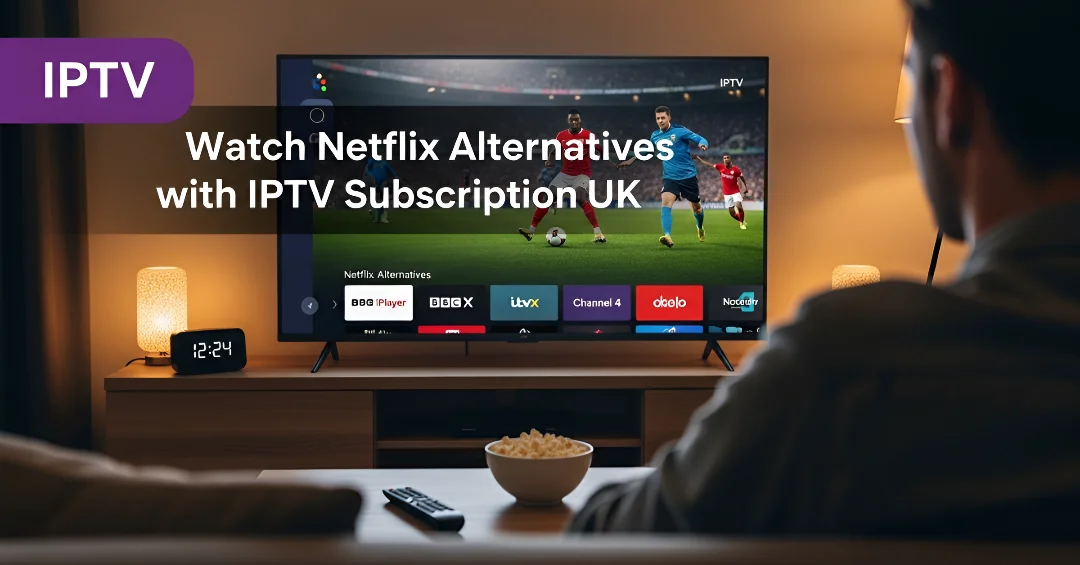
Watch Netflix Alternatives with IPTV Subscription UK

Netflix has dominated the streaming industry for years, but it is not the only option for UK viewers seeking entertainment. With rising subscription costs and limited regional libraries, many people are exploring Netflix Alternatives with IPTV UK that offer more flexibility, affordability, and diverse content. One of the best solutions is combining these streaming alternatives with an IPTV subscription in the UK.

This detailed guide will explore how IPTV expands your viewing options, the best Netflix alternatives available, and how UK viewers can enjoy movies, TV shows, and live TV in one affordable package.

What is IPTV and Why It Matters?

IPTV (Internet Protocol Television) delivers TV channels and video content through the internet rather than traditional satellite or cable connections. With IPTV, users access live television, movies, and on-demand content on devices like smart TVs, smartphones, tablets, and laptops.

Why IPTV is Popular in the UK

  • Cost SavingsIPTV subscriptions are often much cheaper than traditional TV or multiple streaming platforms.

  • Variety of Content – IPTV services include movies, international channels, sports, and entertainment.

  • Device Flexibility – Stream on Android, iOS, Firestick, and smart TVs.

  • Customization – Create personal playlists and favorites.

  • No Boundaries – Watch local and global content anytime, anywhere.

When paired with Netflix Alternatives with IPTV UK, IPTV becomes a one-stop solution for unlimited entertainment.

Why Look for Netflix Alternatives in the UK?

Although Netflix remains a leading platform, many UK viewers are turning to alternatives for several reasons:

  1. Cost Increases – Netflix subscription prices have risen significantly.

  2. Limited Libraries – UK Netflix often has fewer titles than US Netflix.

  3. Content Exclusivity – Shows like The Boys (Amazon Prime) or The Mandalorian (Disney+) are unavailable on Netflix.

  4. No Live TV – Netflix lacks live sports, news, and events.

  5. Better Value Elsewhere – Other services and IPTV subscriptions bundle more content at lower prices.

With IPTV and other streaming platforms, viewers can cover all entertainment needs without overspending.

Best Netflix Alternatives in the UK

Here are the most popular Netflix alternatives UK users can enjoy with an IPTV subscription.

1. Amazon Prime Video

Amazon Prime Video is one of the strongest competitors to Netflix.

Features:

  • Extensive library of movies and TV shows.

  • Exclusive content like The Boys, Jack Ryan, and Good Omens.

  • Free with Amazon Prime membership (includes music and delivery perks).

Why It Works with IPTV:
Prime Video can be used alongside IPTV subscriptions  , giving access to live TV, films, and sports that complement Prime’s original series.

2. Disney+

Disney+ has become a family favorite in the UK.

Features:

  • Includes Marvel, Pixar, National Geographic, Star Wars, and Disney classics.

  • Exclusive series like Loki and The Mandalorian.

  • 4K UHD streaming at no extra cost.

Why It Works with IPTV:
While Disney+ offers family-friendly entertainment, IPTV fills the gap with live sports, documentaries, and international TV.

3. Apple TV+

Apple TV+ focuses on quality over quantity.

Features:

  • Exclusive, award-winning originals like Ted Lasso and Severance.

  • Affordable subscription compared to Netflix.

  • Free trial for new Apple device users.

Why It Works with IPTV:
Apple TV+ provides premium originals while IPTV supplies live content, making a balanced combination.

4. NOW TV (Sky’s Streaming Service)

NOW TV offers flexible passes for UK viewers.

Features:

  • Entertainment, Cinema, and Sports passes available.

  • Access to Sky Originals and HBO shows like House of the Dragon.

  • No contract – pay monthly or cancel anytime.

Why It Works with IPTV:
NOW TV gives UK-specific content while IPTV offers global channels and added variety.

5. Hulu (with VPN)

Although not officially available in the UK, Hulu can be accessed with a VPN.

Features:

  • Affordable with huge on-demand library.

  • Includes next-day episodes from US TV.

  • Live TV option available.

Why It Works with IPTV:
Hulu provides unique US shows while IPTV gives UK-based content and international live channels.

6. BBC iPlayer

BBC iPlayer is free for UK residents with a TV license.

Features:

  • Access to BBC shows, documentaries, and dramas.

  • Live streaming of BBC channels.

  • Catch-up service for missed episodes.

Why It Works with IPTV:
iPlayer is perfect for UK content, while UK IPTV subscriptions offer global live TV and entertainment libraries.

7. ITVX

ITVX (formerly ITV Hub) is another free alternative for UK viewers.

Features:

  • Live streaming of ITV channels.

  • Large library of British dramas, reality shows, and news.

  • Free with ads, premium option available.

Why It Works with IPTV:
Pairing ITVX with IPTV ensures access to both UK-focused and international channels.

8. Discovery+

Discovery+ is ideal for documentary and lifestyle lovers.

Features:

  • Includes Discovery, TLC, Animal Planet, and more.

  • Focus on real-life entertainment.

  • Sports content through Eurosport (cycling, tennis, motorsports).

Why It Works with IPTV:
IPTV complements Discovery+ by offering mainstream movies, live TV, and sports channels.

9.BritBox

BritBox is a collaboration between BBC and ITV, focusing on British TV.

Features:

  • Classic UK comedies, dramas, and documentaries.

  • Affordable monthly fee.

  • Wide archive of UK-exclusive content.

Why It Works with IPTV:
BritBox provides nostalgia and British originals, while IPTV expands the library with global films and live shows.

10. YouTube Premium

YouTube Premium offers ad-free content, YouTube Originals, and music streaming.

Features:

  • Access to unlimited YouTube content ad-free.

  • Background play and offline downloads.

  • Includes YouTube Music.

Why It Works with IPTV:
While IPTV focuses on live and on-demand TV, YouTube Premium gives unique creator-driven content.

How IPTV Subscription Enhances Netflix Alternatives

While Netflix alternatives provide on-demand shows and films, British IPTV subscriptions bring extra value to the table:

  • Live TV Access – Stream BBC, Sky Sports, and international channels.

  • Sports Coverage – Enjoy live Premier League, Champions League, and more.

  • Movies and Series – On-demand content rivals Netflix’s library.

  • Global Entertainment – Watch content from the US, Europe, and Asia.

  • One Subscription, Multiple Devices – Use on smartphones, tablets, or smart TVs.

This combination ensures you never miss out, whether it’s a Hollywood blockbuster, local UK drama, or live football match.

Devices Compatible with IPTV and Streaming Apps

IPTV and streaming alternatives are compatible with most modern devices:

  • Smart TVs – Samsung, LG, Sony, and more.

  • Mobile Devices – Android and iOS smartphones and tablets.

  • Streaming Devices – Amazon Firestick, Roku, and Apple TV.

  • PC and Laptops – Watch via browser or IPTV app.

The flexibility ensures you can switch seamlessly between Netflix alternatives and IPTV services.

Tips for the Best IPTV and Streaming Experience

To maximize enjoyment, follow these tips:

  1. Use at least 15 Mbps internet speed for HD streaming.

  2. For 4K streaming, ensure 25 Mbps or higher.

  3. Use Ethernet cables instead of Wi-Fi for stable connections.

  4. Install IPTV apps like IPTV Smarters Pro or GSE Smart IPTV.

  5. Use a VPN to access geo-restricted services like Hulu or US Netflix.

  6. Regularly update your IPTV apps for better performance.

Legal Considerations in the UK

It’s important to differentiate between IPTV apps and IPTV services.

  • IPTV Apps (Legal) – Apps like IPTV Smarters Pro are simply players.

  • IPTV Services (Varies) – Some services may stream unlicensed content.

To stay safe:

  • Choose providers with legitimate licenses.

  • Use official Netflix alternatives like Disney+, Prime, or BBC iPlayer.

  • Protect your connection with a VPN for privacy.

Future of Streaming: IPTV and Alternatives

The future of entertainment in the UK is leaning toward hybrid viewing. IPTV offers live and global content, while Netflix alternatives provide premium shows and movies. Together, they create the ultimate entertainment ecosystem.

Expect improvements such as:

  • 4K and 8K content as standard.

  • AI-powered recommendations.

  • Greater cross-platform integration.

  • Virtual and augmented reality streaming.

Streaming with IPTV and Netflix alternatives ensures you stay ahead of the curve.

Conclusion

Netflix may still be a dominant platform, but UK viewers have countless alternatives. From Amazon Prime and Disney+ to BBC iPlayer and BritBox, the choices are diverse and affordable. When paired with an IPTV subscription UK, these platforms deliver unbeatable entertainment.

With IPTV, you get live TV, sports, and global content, while Netflix alternatives provide exclusive movies and shows. Together, they create the perfect entertainment package for UK households.

If you’re ready to explore beyond Netflix, now is the best time to combine IPTV with your favorite streaming alternatives for the ultimate viewing experience.

FREE TRAIL IPTV

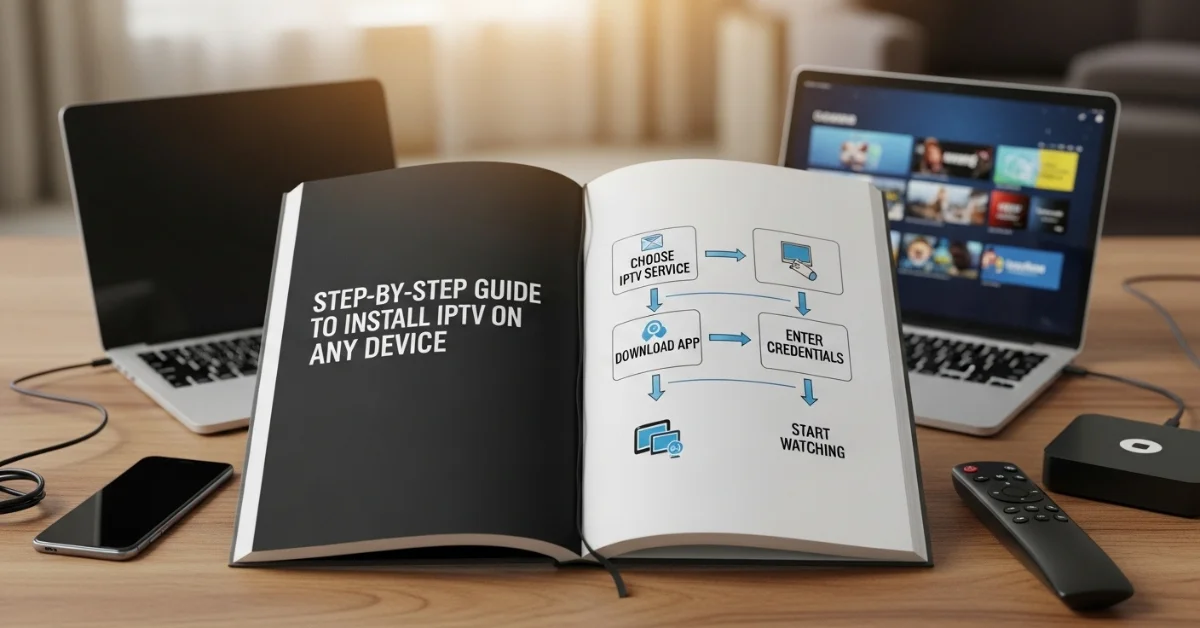
Step-by-Step Guide to Install IPTV on Any Device

Step-by-Step Guide to Install IPTV on Any Device. Television and video consumption have changed drastically in the past decade. Traditional cable and satellite TV are steadily giving way to Internet Protocol Television (IPTV), a technology that delivers content through the internet. IPTV is popular because it provides affordable access to thousands of live TV channels, movies, sports, and on-demand content—all without being tied to a cable or satellite contract.

The flexibility of IPTV is unmatched. You can watch it on a smart TV, streaming device, mobile phone, tablet, computer, or even a gaming console. However, new users often get confused about how to install IPTV on different devices.

This step-by-step Guide to Install IPTV will walk you through the process of installing IPTV on any device, explain the tools you’ll need, and provide troubleshooting tips to ensure a smooth experience.

1. What You Need Before Installing IPTV

Before diving into device-specific steps Guide to Install IPTV, you’ll need a few things ready:

  1. A Reliable IPTV Subscription

    • Choose a legal and trusted IPTV provider that offers the channels and features you need. Premium IPTV services in the UK, US, and worldwide usually come with Electronic Program Guide (EPG), Video on Demand (VOD), and stable streams.

  2. Stable Internet Connection

    • For smooth streaming:

      • Standard Definition (SD): 5 Mbps

      • High Definition (HD): 10 Mbps

      • 4K Ultra HD: 20–25 Mbps minimum

  3. An IPTV Player or App

    • Examples: TiviMate, IPTV Smarters Pro, GSE Smart IPTV, VLC Media Player, Perfect Player.

  4. M3U Playlist or Xtream Codes Login

    • Provided by your IPTV service. These allow you to load and watch channels.

With these essentials in hand, you’re ready to install IPTV on your device.

2. How to Install IPTV on a Smart TV

Most modern smart TVs (Samsung, LG, Sony, and Android TVs) allow IPTV apps to be installed directly from their app stores.

Steps for Samsung/LG (WebOS or Tizen OS):

  1. After turning it on, connect your Smart TV to the internet.

  2. Open the TV App Store (Samsung Smart Hub or LG Content Store).

  3. Search for Smart IPTV or “SS IPTV”.

  4. Download and install the app.

  5. Open the app, and note the MAC address displayed on the screen.

  6. Go to the IPTV app’s official website on your computer/phone.

  7. Enter the MAC address and upload your M3U playlist URL.

  8. Restart the app, and your channels will load.

Steps for Android Smart TVs:

  1. Go to the Google Play Store.

  2. Search and install IPTV Smarters Pro or TiviMate.

  3. Open the app, select Xtream Codes API or M3U playlist.

  4. Enter your IPTV credentials.

  5. Channels and VOD will appear, ready to stream.

Tip: For better performance, always keep your Smart TV firmware updated.

3. How to Install IPTV on Amazon Firestick & Fire TV

The Amazon Firestick is one of the most popular devices for IPTV streaming because it’s affordable and portable.

Steps:

  1. Connect your Firestick to the TV and Wi-Fi.

  2. Navigate to Settings > My Fire TV > Developer Options from the Firestick’s home screen.

  3. Enable Apps from Unknown Sources.

  4. Go back to the home screen and search for Downloader app.

  5. Install Downloader, open it, and enter the IPTV app URL (for example, IPTV Smarters APK).

  6. Download and install the app.

  7. Launch IPTV Smarters, log in with your IPTV details (Xtream Codes or M3U).

  8. Start streaming live TV or on-demand content.

Bonus Tip: Use a VPN on Firestick to protect your privacy and avoid ISP throttling.

4. How to Install IPTV on Android Phones & Tablets

Android devices are the easiest for UK IPTV because they support many apps directly from the Play Store.

Steps:

  1. Open Google Play Store.

  2. Search for IPTV Smarters Pro, GSE Smart IPTV, or Perfect Player.

  3. Install your chosen app.

  4. Choose Load Playlist or File/URL while the program is open.

  5. Enter your IPTV subscription details (M3U or Xtream Codes).

  6. The channel list will appear. Choose and start streaming.

Advantages:

  • You can cast content to Chromecast-enabled TVs.

  • Supports push notifications and background playback.

5. How to Install IPTV on iPhone & iPad (iOS Devices)

Apple devices are slightly restrictive, but IPTV UK apps are still available.

Steps:

  1. Open the Apple App Store.

  2. Search for GSE Smart IPTV or IPTV Smarters Player.

  3. Download and install the app.

  4. Open the app, then select Remote Playlists > Add M3U URL.

  5. Enter your IPTV provider details.

  6. Save and refresh. The channel list will load.

Note: Apple sometimes removes IPTV apps. If your app disappears, you can sideload apps using a tool like AltStore.

6. How to Install IPTV on Windows & Mac (PC/Laptop)

Many people prefer watching IPTV on their laptops or desktops for bigger screens and multitasking.

Using VLC Media Player (Cross-Platform):

  1. Download and install VLC Media Player from the official website.

  2. Open VLC, click Media > Open Network Stream.

  3. Paste your M3U playlist URL.

  4. Click Play, and channels will begin streaming.

Using IPTV Smarters (Windows/Mac Version):

  1. Download IPTV Smarters Pro from its official site.

  2. Install and open the app.

  3. Select Login with Xtream Codes API or upload an M3U file.

  4. Channels, movies, and series will appear.

7. How to Install IPTV on Roku Devices

Roku doesn’t officially support IPTV apps, but you can still use them with a workaround.

Steps:

  1. On your Roku, go to Settings > System > Screen Mirroring and enable mirroring.

  2. On your Android or Windows device, install IPTV Smarters or GSE IPTV.

  3. Play IPTV content on your device.

  4. Use Cast/Screen Mirror to project it to Roku.

Note: This method depends on mirroring, so stability may vary.

8. How to Install IPTV on MAG Box

MAG Boxes (from Informer) are popular IPTV set-top boxes.

Steps:

  1. Connect MAG Box to your TV and internet.

  2. Go to Settings > System Settings > Servers > Portals.

  3. Enter Portal 1 name (e.g., IPTV UK) and the Portal URL provided by your IPTV provider.

  4. Save and restart the box.

  5. The IPTV portal will load automatically with channels.

9. How to Install IPTV on Enigma2 (Linux-based Receivers)

Enigma2 devices are advanced satellite/terrestrial/cable receivers that can also run IPTV.

Steps:

  1. Install a tool like Dreambox Control Center (DCC) on your PC.

  2. Connect your Enigma2 box and PC to the same network.

  3. Use DCC to access the device.

  4. Upload your M3U playlist

  5. Restart the box, and IPTV channels will appear in the bouquet list.

10. How to Install IPTV on Xbox & PlayStation

Gaming consoles double up as streaming devices.

On Xbox:

  1. Open the Microsoft Store.

  2. Download MyIPTV Player.

  3. Open the app and go to Settings > Add New Playlist.

  4. Enter your M3U playlist URL.

  5. Channels will load, and you can start streaming.

On PlayStation (PS4/PS5):

  1. Open the PlayStation Store.

  2. Install Plex or Kodi.

  3. Configure IPTV add-ons in Kodi or playlists in Plex.

  4. Start streaming IPTV.

11. Common Issues & Troubleshooting

Even with proper setup Guide to Install IPTV, you might face issues. Here are solutions:

  • Buffering → Check internet speed, use a wired connection, or enable Adaptive Bitrate.

  • Invalid M3U Playlist → Ensure your subscription is active and the link is correct.

  • App Crashing → Update the app or reinstall it.

  • Black Screen / No Sound → Try a different player (e.g., VLC or MX Player).

  • Blocked IPTV URL → Use a VPN to bypass ISP restrictions.

12. Safety and Legal Considerations

While IPTV legal when used with licensed providers, many “free” or pirated IPTV services exist, which may carry risks:

  • Copyright Infringement → Using unlicensed IPTV may result in legal penalties.

  • Security Risks → Free IPTV links often contain malware.

  • ISP Throttling → Internet providers may block suspicious IPTV servers.

Recommendation: Always choose a legitimate IPTV service that operates within the law.

13. Tips for the Best IPTV Experience

  • Use a VPN for privacy and to avoid ISP throttling.

  • Connect via Ethernet instead of Wi-Fi for stable streaming.

  • Keep your apps and devices updated.

  • Use an IPTV player that supports EPG and VOD.

  • Back up your M3U playlist details to avoid reconfiguration hassles.

Conclusion

Installing IPTV on any device is easier than ever. Whether you’re using a Smart TV, Firestick, smartphone, tablet, PC, or even a gaming console, there’s a suitable app or method for you. With IPTV, you gain flexibility, affordability, and access to an endless world of content.

The steps in this Guide to Install IPTV cover the most popular devices in detail, ensuring you can get IPTV up and running without stress. Just remember the key essentials: a stable internet connection, a reliable IPTV provider, and the right app.

In a world where entertainment is increasingly digital, IPTV is the ultimate way to cut the cord and enjoy TV on your terms.

IPTV FREE TRAIL

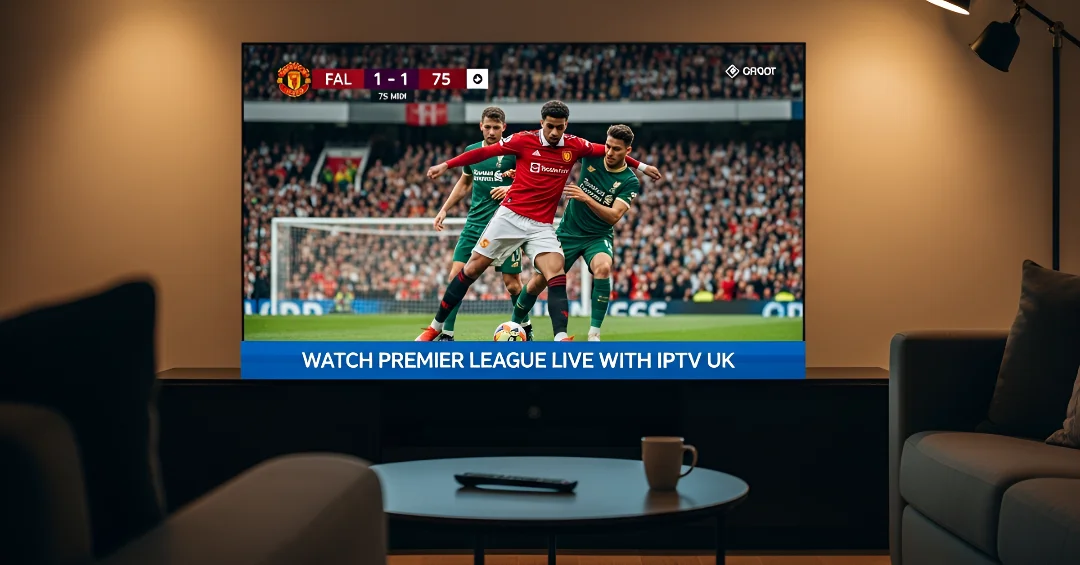
Watch Premier League Live with IPTV UK

The Premier League Live is the crown jewel of English football and one of the most-watched sports leagues globally. Millions of fans tune in each week to cheer for their favorite clubs. From historic rivalries to nail-biting finishes, the excitement is unmatched. However, not everyone can access live broadcasts easily or afford expensive cable subscriptions. This is where IPTV UK has become a game-changer. With IPTV, fans gain flexible, affordable, and high-quality access to every Premier League match.

This comprehensive guide explores everything you need to know about watching Premier League live with IPTV UK. From setup tips and benefits to comparisons and FAQs, this article covers it all.

What is IPTV UK?

IPTV, short for Internet Protocol Television, is a modern way to watch TV. Instead of using satellite or cable signals, IPTV delivers channels through the internet. IPTV UK focuses on delivering premium sports, movies, entertainment, and international content.

With IPTV, viewers bypass the limitations of traditional TV. All you need is a stable internet connection and a compatible device. Once subscribed, you unlock access to hundreds of channels, including live Premier League coverage.

The growing popularity of IPTV in the UK is no surprise. Fans prefer convenience, affordability, and control over their viewing habits. IPTV provides exactly that.

Why Choose IPTV for the Premier League?

Football fans want more than just access—they want reliability and quality. IPTV provides both. Here are key reasons why IPTV stands out for Premier League coverage:

  • No Blackouts: Watch every game without regional restrictions.

  • On-Demand Access: Missed a game? Replay it anytime.

  • Affordable Subscriptions: Costs are far lower than traditional sports packages.

  • High-Definition Streams: Enjoy matches in HD or even 4K.

  • Device Compatibility: Stream matches anywhere, anytime.

For fans seeking a flexible and immersive football experience, IPTV UK remains unmatched.

History of the Premier League and Its Global Appeal

The Premier League was founded in 1992, breaking away from the Football League First Division. Its creation was driven by the demand for better television rights and more commercial growth. Since then, the league has grown into the most lucrative and widely followed football competition in the world.

Teams like Manchester United, Liverpool, Arsenal, Chelsea, and Manchester City have built global fan bases. International stars have graced its pitches, raising the quality of football. The global broadcasting deals for the Premier League have surpassed billions, proving its unmatched reach.

Today, fans from Asia, Africa, Europe, and the Americas tune in weekly. IPTV UK allows these fans, especially in the UK, to enjoy seamless coverage without missing a moment.

How to Watch Premier League Live with IPTV UK

Getting started with IPTV UK is straightforward. Here’s a simple process:

  1. Choose a Reliable IPTV Provider – Research trusted IPTV UK providers with strong reputations.

  2. Select a Plan – Pick a subscription that fits your needs and budget.

  3. Install the IPTV App – Download the app on your device or configure it using a playlist link.

  4. Login and Setup – Enter your credentials provided by the IPTV service.

  5. Start Watching – Stream live Premier League matches instantly.

The process usually takes less than 10 minutes. Even users with minimal technical knowledge can get started quickly.

Devices Compatible with IPTV UK

UK IPTV supports a wide range of devices, ensuring fans enjoy matches anytime and anywhere. Commonly used devices include:

  • Smart TVs – Brands like Samsung, LG, and Sony have built-in IPTV apps.

  • Firestick and Android Boxes – Affordable and easy-to-use devices.

  • PC and Laptops – Watch directly on browsers or IPTV apps.

  • Mobile Phones – iOS and Android apps make streaming portable.

  • Tablets and iPads – Larger screens for on-the-go viewing.

The flexibility of IPTV UK ensures you never miss kick-off, whether at home or traveling.

Benefits of Watching the Premier League on IPTV UK

The benefits of IPTV extend beyond affordability. Fans enjoy:

  • Global Access – Watch games even when abroad.

  • Multiple Channels – Coverage isn’t limited to one broadcaster.

  • Pause and Replay – Gain control over live matches.

  • Customizable Playlists – Tailor your channels to your preferences.

  • Low Bandwidth Consumption – Many services optimize streaming for smoother playback.

Such advantages make IPTV UK a smarter choice for passionate football fans.

Tips for a Smooth IPTV Experience During Premier League Matches

To get the best out of IPTV UK, follow these tips:

  • Maintain an internet speed of at least 15 Mbps for HD streaming.

  • Use wired connections when possible to avoid Wi-Fi dropouts.

  • Update IPTV apps regularly for better performance.

  • Choose services offering anti-freeze technology.

  • Use a VPN for added privacy and stable access.

With the right setup, streaming the Premier League becomes effortless.

Premier League Fixtures and Coverage on IPTV UK

Every Premier League season runs from August to May, with 380 matches played. IPTV UK covers them all. Whether it’s iconic rivalries like the Manchester Derby or relegation battles, IPTV ensures you watch live without delay.

Fans also gain access to pre-match analysis, post-match interviews, and expert commentary. With IPTV, the Premier League experience feels complete.

Comparing IPTV UK with Traditional TV Subscriptions

Traditional TV relies on expensive sports packages. Many broadcasters also restrict matches due to licensing agreements. British IPTV, on the other hand, eliminates these barriers.

  • Traditional TV – Limited coverage, costly, and device-restricted.

  • IPTV UK – Affordable, flexible, and offers global access.

For fans who want full control, IPTV UK clearly stands as the better choice.

Is IPTV UK Legal and Safe?

The legality of IPTV depends on the provider. Licensed IPTV providers are legal and safe. However, free or pirated streams may pose risks. Always choose reputable services with verified customer reviews.

Safety is another consideration. Legitimate IPTV apps are secure and virus-free. To enhance safety, many users also connect via VPNs, which protect privacy and provide better stability.

Cost of IPTV UK for Premier League Fans

One of IPTV UK’s biggest advantages is its affordability. Traditional sports packages often cost over £50 per month. IPTV UK subscriptions usually start at a fraction of that low price.

Annual packages often offer additional savings, making IPTV an economical choice for football enthusiasts.

Top Premier League Matches to Look Forward To

Fans eagerly await certain fixtures every season. With IPTV UK, you won’t miss these high-profile clashes:

  • Manchester United vs. Liverpool – A rivalry steeped in history.

  • Arsenal vs. Tottenham Hotspur – The fiery North London Derby.

  • Chelsea vs. Manchester City – Battles of modern giants.

  • Everton vs. Liverpool – The Merseyside Derby’s electric atmosphere.

These matches attract millions worldwide, and IPTV UK ensures every fan can watch them live.

Future of Watching the Premier League with IPTV UK

As internet speeds improve and technology advances, IPTV will continue to dominate. Fans increasingly demand on-the-go access, multi-device compatibility, and interactive features. IPTV UK providers are already introducing AI-powered recommendations, 4K+ streaming, and virtual reality integration.

In the coming years, IPTV will likely replace traditional cable as the main source of sports streaming.

Frequently Asked Questions (FAQs)

1. Do I need special equipment for IPTV UK?
No, a smart TV, smartphone, or streaming device is enough.

2. Can I watch other sports with IPTV UK?
Yes, most providers offer football, cricket, basketball, and more.

3. Is IPTV UK reliable for live matches?
With a strong internet connection and a reputable provider, it’s highly reliable.

4. Do IPTV services offer refunds?
Most providers offer trial periods or refunds, but it varies.

5. Can I use IPTV abroad?
Yes, though some regions may require VPN support.

Conclusion

The Premier League offers some of the best football action in the world. Watching it live with IPTV UK ensures convenience, affordability, and premium quality. Fans gain access to every fixture, from thrilling derbies to decisive title battles, all from the comfort of their homes.

With features like HD streaming, multi-device access, and flexible plans, IPTV UK has revolutionized how football fans watch their favorite league. For anyone passionate about the Premier League, IPTV UK is the ultimate solution.

FREE TRAIL IPTV

Try IPTV UK’s Free Trial Before Subscribing

The way people consume television has shifted dramatically in recent years. Traditional cable and satellite subscriptions are no longer the only options available. Internet Protocol Television, better known as IPTV, has created a new way to access live TV, films, sports, and on-demand shows and Try IPTV UK’s Free Trial Unlike traditional broadcasting, IPTV streams content directly over the internet.

In the UK, IPTV has gained significant popularity. Viewers are increasingly attracted to its wide choice of channels, flexible subscription plans, and affordable pricing. One of the biggest advantages for new users is the availability of Try IPTV UK’s Free Trial. These trials let you explore a service before making a financial commitment. In this detailed guide, we’ll cover everything you need to know about IPTV UK free trials, including their benefits, how to make the most of them, and what to look for before subscribing.

What Is IPTV and How Does It Work?

IPTV delivers television content through internet connections instead of traditional broadcast signals. To use IPTV, you need a reliable internet connection, a subscription, and a compatible device such as a smart TV, laptop, tablet, or Android box.

Here’s how it works:

  • The provider streams TV channels and on-demand content through servers.

  • You access this content via apps, media players, or web browsers.

  • The service can include live TV, catch-up features, and video on demand.

This modern approach allows users to watch what they want, when they want, and often on multiple devices.

Why IPTV Is Becoming Popular in the UK

The UK has a diverse audience with different viewing preferences. IPTV appeals to them for several reasons:

  • Flexibility: Watch on-demand shows anytime, anywhere.

  • Variety: Access global channels beyond UK-based services.

  • Cost-effectiveness: IPTV subscriptions are often cheaper than cable or satellite.

  • Compatibility: Works on smart TVs, tablets, smartphones, and streaming devices.

  • Customization: Choose subscription packages that fit your needs.

The combination of affordability and choice makes IPTV especially attractive to households that want better value for money.

The Role of Free Trials in IPTV Services

Try IPTV UK’s Free Trial are essential in helping potential customers test IPTV services before subscribing. They give you the chance to evaluate:

  • Channel selection – Does the service provide the channels you want?

  • Video quality – Can you stream without buffering or pixelation?

  • Device compatibility – Does it work on your TV, phone, or tablet?

  • Ease of use – Is the interface simple and user-friendly?

  • Customer support – Are issues resolved quickly?

These trials reduce the risk of wasting money on services that do not meet your expectations.

Features to Test During Your IPTV Free Trial

When using a free IPTV trial in the UK, focus on the following:

1. Channel Availability

Ensure the provider offers the sports, movies, and TV shows you enjoy most. Some trials include limited content, so ask for the full list before testing.

2. Video Quality

Check whether the service offers HD or 4K streaming. Test playback at different times of day to assess stability.

3. Compatibility with Devices

Try the service on smart TVs, mobile devices, and laptops. Confirm it works on both Android and iOS platforms if you use multiple gadgets.

4. On-demand Library

Browse films, series, and catch-up features. A strong content library is as important as live TV.

5. User Interface

Evaluate how easy it is to navigate channels and settings. An intuitive interface saves time and improves the experience.

Popular IPTV Categories in the UK

British IPTV viewers have varied interests. During your trial, explore these categories:

  • Sports – Football, rugby, cricket, Formula 1, and boxing are must-haves.

  • Movies – Hollywood blockbusters and UK cinema titles are common.

  • TV series – Both local and international shows, from dramas to reality TV.

  • News – Access to both UK and global news networks.

  • Kids’ entertainment – Channels dedicated to cartoons, learning, and family shows.

  • International content – Channels from Europe, Asia, Africa, and beyond.

Benefits of Trying IPTV Free Trials Before Subscribing

Testing a free trial comes with several benefits:

  1. Risk-free experience – No financial commitment until you’re satisfied.

  2. Better decision-making – Compare providers to see which suits you best.

  3. Quality assurance – Test whether your internet speed supports smooth streaming.

  4. Content confirmation – Verify the channels and on-demand options.

  5. Peace of mind – Avoid paying for a service that fails to deliver.

Legal Considerations of IPTV in the UK

It’s important to choose legal IPTV services. Some providers may operate without proper licences. Using illegal IPTV can expose you to risks:

  • Malware and data theft.

  • Sudden service shutdowns.

  • Legal penalties for accessing unlicensed streams.

Always check whether the provider has the rights to stream the channels they offer. A legitimate IPTV service gives you reliability and security.

How to Choose the Right IPTV Provider After a Free Trial

After your trial, evaluate the service on several points:

  • Performance – Was the streaming consistent?

  • Pricing – Does the subscription fit your budget?

  • Customer support – Was help available when needed?

  • Reputation – Read reviews and feedback from other users.

  • Extra features – Does the service include DVR, multiple device logins, or parental controls?

The best provider will balance quality, price, and support.

Tips for Maximising Your IPTV Free Trial

Here are some strategies to get the best out of your free UK IPTV trial:

  1. Test during peak hours – Evening traffic can affect performance.

  2. Try on multiple devices – See how it performs on each screen.

  3. Watch different content types – Sports, films, live TV, and on-demand.

  4. Check speed requirements – Ensure your internet connection is sufficient.

  5. Note trial limitations – Some providers restrict channels or streaming quality.

Setting Up IPTV for Your Trial Period

Getting started with IPTV UK is usually simple. Most providers guide you through the process:

  1. Sign up on the provider’s website.

  2. Download the recommended app or media player.

  3. Log in with trial credentials.

  4. Test on your chosen devices.

Common IPTV apps include Smart IPTV, Tivimate, and IPTV Smarters.

Comparing IPTV Providers in the UK

The IPTV market in the UK is competitive. Providers often differentiate through:

  • Price plans – Monthly, quarterly, or annual options.

  • Channel packages – Sports-focused, family-oriented, or international.

  • Streaming quality – From SD to full 4K.

  • Device support – Some support more devices than others.

Trying multiple free trials allows you to find the best match for your needs.

The Future of IPTV in the UK

With faster broadband speeds and 5G expansion, IPTV will continue to grow. More households are likely to cut the cord on cable and satellite. Providers will compete by improving content libraries, streaming quality, and affordability. Free trials will remain an essential marketing tool for attracting new users.

Conclusion: Why Free Trials Matter in IPTV UK

An IPTV UK free trial is the smartest way to test before subscribing. It gives you insight into channel selection, quality, and reliability without risk. Whether you’re a sports enthusiast, movie lover, or family viewer, free trials help you find the best provider. By making use of these trials, you ensure you get maximum value and avoid disappointment.

In a fast-changing entertainment world, IPTV offers flexibility, affordability, and choice. Take advantage of free trials to experience the future of television today.

IPTV UK: Redefining the Way You Watch TV

Introduction

The television landscape in the United Kingdom is evolving fast. Where once households relied on terrestrial broadcasts, satellite dishes or cable subscriptions to access their favourite shows, a new contender has emerged and matured: IPTV (Internet Protocol Television). IPTV uses internet infrastructure to deliver television services — live channels, video on demand (VOD), catch-up services, and interactive features — directly to a viewer’s screen. In the UK, IPTV is redefining what “watching TV” means by offering unprecedented choice, flexibility, and integration with modern online lifestyles.

This article explores the technology behind IPTV, its benefits, how it compares with traditional broadcasting models, legal and regulatory considerations in the UK, practical setup and troubleshooting advice, the role of content rights and licensing, and what the future might look like. Whether you’re a curious viewer weighing a switch, a tech enthusiast, or a content professional, this deep-dive will give you a clear sense of why IPTV matters — and how it’s reshaping entertainment in the UK.

What is IPTV?

IPTV stands for Internet Protocol Television. Rather than sending TV signals over the air (terrestrial), via satellites, or through coaxial cable, IPTV delivers television programming over packet-switched networks using the Internet Protocol (IP). In practical terms, that means your television content is transmitted as data over your broadband connection and received by a compatible device: a smart TV, set-top box (STB), computer, smartphone, tablet, or streaming stick.

IPTV services typically fall into three categories:

  1. Live TV — Real-time broadcast channels streamed over IP with minimal delay, similar to traditional live television.
  2. Time-shifted TV / Catch-up — Programs that were broadcast live but are made available afterward so viewers can watch on their own schedule.
  3. Video on Demand (VOD) — A library of movies, series, and specials that viewers can select and play at any time.

What sets IPTV apart from simple internet streaming is its use of managed networks and protocols designed specifically for television-quality delivery. Many IPTV services employ content delivery networks (CDNs), multicast delivery, and set-top box integration to provide a TV-like experience with channel surfing, electronic programme guides (EPGs), and DVR-like recording features.

How IPTV Works — The Technology (Plain English)

You don’t need to be an engineer to understand the backbone of IPTV. Here’s the simplified flow:

  1. Ingesting content: TV channels, satellite feeds, and video libraries are captured by the IPTV provider and encoded into digital formats.
  2. Encoding & Packaging: The video is compressed (e.g., H.264, H.265) and packaged into IP-friendly formats. Subtitles, metadata, and multiple audio tracks can be included.
  3. Delivery: The content is streamed over an IP network — often using a combination of internet backbone links, CDNs and the provider’s own distribution servers. For larger audiences, multicast or adaptive bitrate streaming (ABR) techniques ensure efficient and stable delivery.
  4. Playback: The user’s device (STB, smart TV app, or mobile app) requests the content, and the provider streams the appropriate chunks of video. ABR adjusts stream quality to match the viewer’s bandwidth in real time.

Key technologies that matter to viewers include adaptive bitrate streaming (which prevents buffering by switching video quality), low-latency streaming for live events, robust EPG systems, and DRM (Digital Rights Management) for licensed content.

Benefits of IPTV Over Traditional TV

IPTV brings a number of user-focused advantages that are resonating with UK viewers:

  • Flexibility and Convenience: Watch live TV, pause, rewind, and fast-forward. Catch up on programs directly from the EPG without needing a separate catch-up box.
  • Device Agnosticism: IPTV can be consumed across smart TVs, phones, tablets, and PCs — enabling true multi-room and on-the-go viewing.
  • Personalisation: Recommendation engines and profiles mean content suggestions can be tailored to individual tastes.
  • Cost Efficiency: For many users IPTV can be cheaper than traditional pay-TV bundles, especially if you only subscribe to niche channels or content packages.
  • Interactivity: Viewers can access additional information, vote during live shows, or use interactive apps layered over live programmes.
  • Scalability: Providers can add channels, language tracks, and regional content without expensive infrastructure changes.

These advantages are fueling IPTV growth in households and small businesses across the UK.

IPTV vs Satellite/Cable/Terrestrial: A Comparison

Reliability: Traditional satellite and cable systems have long been lauded for consistent, broadcast-grade delivery. Modern IPTV — when delivered over robust broadband and with smart CDN strategies — can match that reliability. However, IPTV is still sensitive to home broadband quality and congestion.

Picture Quality: IPTV supports high-definition and ultra-high-definition streams, using modern codecs to deliver crisp images. Quality is often comparable to — and sometimes better than — satellite and cable because of efficient compression.

Latency: Satellite has inherent latency advantages for certain live events due to direct broadcast, while IPTV latency depends on the delivery pipeline and buffering strategies. Low-latency streaming protocols are closing that gap.

Cost and Flexibility: IPTV typically offers more flexible pricing and package options. You can pick niche bundles and cancel monthly without losing hardware like a satellite dish.

Features: IPTV often wins on interactivity and on-demand features — integrated catch-up, cloud DVR, and personalised recommendations are standard rather than premium extras.

Legal and Regulatory Considerations in the UK

The UK has a strict and mature media regulatory environment. Ofcom regulates broadcasting standards, content classifications, and licensing. When considering IPTV, there are a few legal matters viewers and operators should understand:

  • Content Licensing: Legal IPTV services must have the rights to distribute content. This involves negotiations with studios, broadcasters and rights holders and usually includes territorial restrictions (content licensed for the UK only, for example).
  • Copyright and Piracy: Unauthorised streaming of premium channels and pay-TV content is illegal. The UK has taken enforcement actions against operators and websites that facilitate pirated IPTV streams. Viewers should be cautious about services that are dramatically cheaper than the market norm; low price is often a red flag.
  • Ofcom & Consumer Protection: Ofcom enforces content standards — including protecting under-18s from unsuitable material and ensuring fairness in advertising. IPTV providers operating in the UK often adhere to these regulatory frameworks, especially if they advertise or operate openly.
  • Data Privacy: IPTV providers process viewership data to personalise experiences. UK GDPR rules apply, meaning providers must handle personal data transparently and securely.

For viewers: the safest approach is to subscribe to well-established, licensed IPTV providers or to use the official apps of established broadcasters. For operators: compliance with rights, consumer law and data protection is essential.

Setting Up IPTV in the UK — A Practical Guide

Getting started with IPTV doesn’t have to be technical. Here’s a simple step-by-step guide.

  1. Check your broadband: IPTV requires a stable broadband connection — ideally fibre or a high-speed cable connection. Check upload/download speeds and household usage; concurrent streaming, gaming, or video calls can affect IPTV performance.
  2. Choose a legal provider: Pick a provider with clear licensing and UK terms. Look for trial periods so you can test their service quality.
  3. Pick your device: Most people use smart TVs, streaming sticks, or a dedicated set-top box. Many providers offer apps for Android TV, Apple TV, Fire TV, iOS and Android.
  4. Install the app or set-top box: Download the provider’s app from your device’s app store, or connect and configure the provider’s STB. Follow setup instructions and sign in with your account credentials.
  5. Configure network settings: For the best performance, connect the device to your router via Ethernet. If using Wi‑Fi, place the router close to the device or use a Wi‑Fi mesh system.
  6. Explore features: Learn how to use the EPG, set recordings (if available), and access catch-up and VOD content.

Troubleshooting tips: if you experience buffering, reduce the stream quality or check other devices using the network. Restarting your router and the playback device often resolves temporary glitches. If problems persist, contact your provider’s support — many issues can be resolved through server-side diagnostics.

Content, Packages and Pricing Models

IPTV services come in many shapes: from a la carte VOD platforms to full-service bundles that mirror traditional pay-TV. Pricing models often include:

  • Subscription (SVOD): Monthly fees for access to a library of content (e.g., box-sets, movies).
  • Channel Bundles: Pay for channel packages tailored to sports, movies, kids, news, or international content.
  • Transactional (TVOD): Rent or buy single movies and specials.
  • Ad-supported (AVOD): Free or low-cost services monetised by advertising.

Bundles are increasingly modular. Many users combine a base IPTV package with one or two premium add-ons (sports or film channels) rather than paying for a large cable-style package they won’t fully use.

The Role of ISPs and Network QoS

Because IPTV rides on the home broadband network, the role of the Internet Service Provider (ISP) is crucial. ISPs can influence the quality of IPTV through network management and Quality of Service (QoS) policies. In some cases, ISPs partner directly with IPTV providers to offer zero-rated or optimised streaming that reserves bandwidth for TV traffic. Where possible, consider an ISP with a reputation for stable, low-latency connections and good support for heavy streaming households.

Security and Privacy Considerations

IPTV services often collect viewing habits and metadata to power recommendations. Review privacy policies to understand how data is stored and used, and whether it is shared with third parties. Ensure your chosen provider uses secure account practices including two-factor authentication if available.

From a home network perspective, keeping your router firmware up-to-date, using strong Wi‑Fi passwords, and segregating IoT devices on a separate network can reduce security risks that indirectly impact streaming performance.

Common Misconceptions About IPTV

  • IPTV is the same as online streaming: Not exactly. While both use IP networks, IPTV often implies a managed, linear television experience with EPGs and set-top box integrations — closer to the traditional TV model but delivered over the internet.
  • IPTV is always illegal: No. Many legitimate IPTV services operate under proper licences. The illegality comes from unauthorised redistribution of copyrighted content.
  • IPTV equals poor quality: Early IPTV services struggled with bandwidth and buffering. Modern adaptive streaming and robust CDNs enable high-quality, stable IPTV experiences when network conditions are good.

Future Trends: Where IPTV Is Headed in the UK

The future of IPTV looks exciting, driven by technology, consumer behaviour, and shifts in content rights:

  • Convergence with OTT and FAST: IPTV will continue merging features from over-the-top (OTT) platforms and Free Ad-supported Streaming TV (FAST) channels, creating blended offerings.
  • Personalised and Interactive TV: AI-driven recommendations, dynamic ad insertion and interactive formats will make TV more personalized and engaging.
  • Cloud DVR and Edge Computing: Cloud-based recording and edge caching will enhance reliability and reduce latency for live events.
  • 5G and Improved Home Networks: Wider 5G home broadband and faster fibre rollouts will expand the reach of high-quality IPTV, even to areas previously reliant on satellite.
  • Rights Fragmentation and Aggregation: Content rights will remain complex. Bundling and aggregation services that simplify access to dispersed rights will gain importance.

Is IPTV Right for You?

If you value flexibility, on-demand content, multi-device support and personalised features, IPTV is a strong contender. It’s particularly appealing for cord-cutters, frequent travellers, and viewers looking for niche international or specialised channels. However, if your area suffers from poor broadband or you demand the absolute lowest latency for certain live events, you should weigh those factors before switching.

To decide:

  • Assess your broadband: Is it stable and fast enough for HD/4K streaming?
  • Map your viewing habits: Do you watch more linear TV or on-demand content?
  • Check licensing and legality: Only subscribe to providers that are transparent and licensed.
  • Try a trial: Many providers offer short trials so you can test picture quality, UI and device compatibility.

Conclusion

IPTV is not just another way to “watch TV” — it’s a fundamental reimagining of television for the internet era. In the UK, where broadband penetration is high and audiences crave flexible, personalised content, IPTV is helping shift viewing habits away from rigid schedules and heavy hardware towards software-driven experiences that adapt to the viewer.

As content distribution, rights management and network technology continue to evolve, IPTV’s role will likely expand — not just as an alternative to satellite or cable, but as the central nervous system for a new, interactive, and on-demand television ecosystem. For viewers, the key is to choose licensed, reputable providers and ensure a network-ready home. For providers and content owners, success will hinge on balancing compelling content, fair licensing, technical reliability and transparent consumer practices.

IPTV Free Trial

Best IPTV Box for Smooth Streaming in 2025

When it comes to smooth IPTV streaming in 2025, the right IPTV box can make all the difference. This article dives into the best IPTV boxes, what features matter, and tips to get the flawless viewing experience you deserve.

Why Choosing the Best IPTV Box Matters

A subpar IPTV box introduces buffering, lag and compatibility issues. On the other hand, a high-end box ensures:

  • Lightning fast startup times

  • Consistent playback with no stutter

  • Support for modern codecs (HEVC, AV1)

  • Reliable software updates and security

  • Seamless integration with smart home systems

To experience streaming as it should be, invest in a box built for the future.

Key Features for 2025-Ready IPTV Boxes

Strong Processor & RAM

A powerful CPU and plenty of RAM let your box decode demanding streams effortlessly. Aim for at least a quad-core processor and 2 GB (or more) of RAM.

Advanced Video Codec Support

HEVC (H.265) is essential today. AV1 support becomes more valuable as it spreads. Boxes without modern codec support will struggle.

4K & HDR Capability

More channels and providers now deliver 4K + HDR. Your box should support at minimum 4K at 60 fps, and ideally HDR10 or Dolby Vision.

Stable Networking (Ethernet & Wi-Fi 6)

Wi-Fi 6 and Gigabit Ethernet ports reduce lag. A weak network often spoils even the best hardware.

Software & Interface

Good UK IPTV boxes offer smooth UI, regular updates, and simple installation. They avoid user frustration.

Porting & Expandability

You’ll want USB ports, external storage support, and maybe microSD slots. This lets you add apps, cache content, and more.

Top IPTV Boxes for Smooth Streaming in 2025

Below are standout models that deliver excellent IPTV UK performance:

1. NVIDIA Shield TV Pro (2024/25 Edition)

Equipped with a powerful Tegra X2-series chip and 4 GB RAM, this box handles 4K HDR and is ideal for heavy IPTV use.

2. Formuler Z11 Pro Max

A favourite in IPTV circles. Clean UI, advanced EPG support, and excellent compatibility.

3. Amazon Fire TV Cube (3rd Gen)

Strong all-rounder with Alexa support, broad app ecosystem, and consistent updates.

4. MINIX NEO U9-H

Compact box that handles HEVC/AV1, comes with 4 GB RAM, and delivers smooth video performance.

5. MAG 424w3

Purpose-built IPTV box. Supports dual tuners, stable firmware, and polished IPTV interface.

Each of these boxes delivers top performance. But your experience depends on how well the box pairs with your network and IPTV source.

How to Choose & Optimise Your IPTV Box

Check Codec & Format Support

Always confirm HEVC, AV1, and 10-bit colour support. This ensures your box won’t struggle with new streams.

Inspect Port & Connectivity Options

Prefer boxes with Gigabit Ethernet, Wi-Fi 6, multiple USB ports, and possibly microSD support.

Examine Firmware & Updates

Choose boxes from developers that push frequent updates. Security patches matter as streaming evolves.

Use QoS and Wired Connections

If possible, connect via Ethernet. Use QoS (Quality of Service) rules on your router to prioritise the IPTV box.

Keep Cooling in Mind

Overheating causes throttling. Go for boxes with good ventilation, or add small fans if needed.

Use Reliable IPTV Providers

Even the best box fails with a poor service. Use reputable IPTV providers, avoid overcrowded servers.

Troubleshooting Common IPTV Box Problems

  • Buffering mid-stream → Check your upload/download speeds and ensure no bandwidth hogs (e.g. big downloads) run in the background.

  • Stream fails to play → Update firmware and ensure codec support. Try alternate player apps.

  • Laggy menus → Clear cache or try a lighter launcher.

  • Wi-Fi drops → Switch to Ethernet or enable 5 GHz only mode on Wi-Fi 6.

Final Thoughts

For 2025, the NVIDIA Shield TV Pro and Formuler Z11 Pro Max lead the pack. But your best pick depends on your network and use preferences. Prioritise modern codec support, solid hardware, reliable updates, and network stability.

Invest wisely. With the right IPTV box, you’ll enjoy buffer-free streaming, crisp 4K video, and a smooth interface.

FREE TRAIL IPTV

How to Watch Movies and Series with IPTV in the UK

In an era when streaming dominates TV habits, more people in the UK are turning to IPTV as a flexible, affordable way to Watch Movies and Series and live programming. This full guide walks you through everything you need to know about IPTV in the UK — from the basics to advanced setups — with special reference to IP-TVUK.com, a premium IPTV provider.

Understanding IPTV: What It Is and Why It Matters

Definition of IPTV

IPTV stands for Internet Protocol Television. Rather than relying on satellite or cable, IPTV delivers TV content via your internet connection. The streams go over the web, routed via servers, and can be watched on smart devices.

Key IPTV Modes

  • Live IPTV: Streams TV channels in real time, just like traditional TV.

  • Video on Demand (VOD): Offers a library of Watch Movies and Series you can watch at any time.

  • Catch-Up / Time-Shifted TV: Lets you replay recently aired shows, even if you missed them.

Why IPTV Has Grown in the UK

The UK has excellent broadband infrastructure in many regions. High speeds and lower latency make IPTV a practical alternative to satellite or cable. Plus, viewers desire variety: international channels, multiple languages, Watch Movies and Series, sports, and series all in one place.

Platforms like IP-TVUK.com exploit this trend by offering thousands of channels, VOD titles, and flexible device compatibility.

Why Choose IP-TVUK.com? What Makes It Stand Out

When comparing IPTV providers, certain features matter most: reliability, content library, device support, and support quality. IP-TVUK.com competes strongly in each area.

Broad Channel & VOD Offering

IP-TVUK.com provides over 24,000 live channels plus more than 90,000 VOD titles. Their content spans global news, entertainment, movies, series, sports, and even adult content (optional).

High Quality & Anti-Freezing Technology

They advertise streaming in SD, HD, FHD, and 4K with “anti-freeze” tech to reduce buffering and interruptions.

Flexible Subscription Plans

They offer a number of plans: monthly, quarterly, semiannual, and yearly. Price varies depending on features and length.

Device Compatibility & Installation Support

IP-TVUK.com supports nearly all device types: smart TVs, Firestick, Android boxes, iOS, MAG boxes, and more. They also provide installation guides to help users set up with ease.

Customer Support & Reliability

They promise remote installation assistance, 24/7 support, and a “money-back guarantee” (often 7 days) for new users.

Because of these features, many UK users regard IP-TVUK.com as a competitive, premium service.

How to Get Started: Setup & Installation

To watch movies and series via IPTV UK, you’ll need to get everything in place—from internet to app to subscription. Here’s a step-by-step walkthrough.

Subscribe to IP-TVUK.com

  • Choose the plan that meets your needs (monthly, quarterly, etc.).

  • Complete payment and receive login credentials (username, password, server URL or M3U link).

  • You may receive setup instructions via email or chat.

Check Your Internet & Hardware

  • Ensure your internet speed is sufficient. For HD 1080p streaming, ~10–20 Mbps is recommended; for 4K aim for 30–50 Mbps or more.

  • Use Ethernet (wired) if possible to reduce latency and fluctuations.

  • Ensure your router is modern and supports the required bandwidth.

Select a Device

You can use multiple devices; pick one depending on your needs:

  • Smart TV (Samsung, LG, etc.)

  • Amazon Firestick / Fire TV

  • Android TV box / set-top box

  • Smartphone / Tablet (Android or iOS)

  • PC / Laptop

  • MAG / STB boxes

Install IPTV App / Player

You’ll need an app or player to load your IPTV streams:

  • IPTV Smarters Pro / Player is a popular choice.

  • TiviMate, XCIPTV, or Perfect Player are also widely used.

  • Some smart TVs may allow direct portal apps.

Follow installation guides on IP-TVUK.com’s “Installation Guides” section.

Enter Credentials / Load Playlist

You usually have two setup methods:

  • Xtream Codes API: Enter server URL, username, and password (this often enables full features like catch-up, EPG).

  • M3U Playlist URL: Load a playlist file or URL if an API approach is unavailable.

After entering details, the app will load live channels, VOD lists, and EPG (TV guide).

Enjoy Movies, Series & Live TV

Once setup is complete, browse through the categories. You can filter by genre, region, language, or VOD sections.

Device-Specific Setup Guides

Here are more detailed instructions for popular devices:

Amazon Firestick / Fire TV

  • Enable “Apps from Unknown Sources” under Settings > My Fire TV > Developer Options.

  • Install Downloader app (to sideload apps).

  • Use Downloader to download IPTV Smarters APK from its official site.

  • Install and open app, then input your credentials or playlist.

Android Boxes & TV

  • Open Google Play Store, search “IPTV Smarters” or your chosen app.

  • Install, then load credentials (API or playlist).

  • The UI may allow Live TV, VOD, and categories.

Smart TVs (Samsung, LG, etc.)

  • In TV’s app store (e.g. Samsung Smart Hub or LG Content Store), search for IPTV or Smarters.

  • Install and launch app, then login.

  • If not available, some TVs allow using web browser apps or casting from mobile.

iOS / iPadOS Devices

  • Search for “IPTV Smarters” or “Player** apps in App Store.

  • After installation, input your login or playlist.

  • The interface will show live channels, VOD, EPG guide.

PC / Mac / Laptop

  • Use IPTV apps such as VLC (load M3U playlist), or IPTV-dedicated players (e.g. Kodi with PVR plugin).

  • Alternatively, some web-based portals may allow streaming in browser.

MAG / STB Boxes

  • With MAG boxes, often you use a portal URL approach (sometimes via MAC address).

  • Enter portal settings and server URL given by IP-TVUK.com.

  • Reboot for channels to load.

These device guides reflect common practices; for specifics, refer to IP-TVUK’s “Installation Guides” section.

Tips for an Optimised Streaming Experience

To get the most out of your IPTV subscription, follow these expert tips:

Use a Wired Connection When Possible

Ethernet produces lower latency and fewer dropouts than WiFi.

Choose the Right Plan

If 4K or multiple devices is your goal, pick a higher-tier plan from providers like IP-TVUK.com.

Update Apps and Firmware

Keep your IPTV apps and device firmware up to date to reduce bugs and compatibility issues.

Use a VPN for Privacy & Bypassing Geo-Blocks

A virtual private network can help hide traffic and allow access to region-locked content.
(Be cautious: using VPN does not legalise illegal streams.)

Test Providers with Trials

Many IPTV providers offer trial periods. Use them to test service stability, quality, and device compatibility.

Monitor Bandwidth Usage

Streaming in HD/4K consumes considerable data. Make sure your ISP plan supports it without throttling.

Prioritise QoS on Your Router

If your router supports Quality of Service (QoS), prioritise IPTV traffic for smoother streaming.

Legal & Ethical Considerations in the UK

The Legal Landscape

IPTV itself is not illegal. What matters is whether the service holds legitimate broadcasting rights. Many IPTV services operate without licences, which can be infringement of copyright laws.

In the UK, using or distributing unlicensed streams may carry legal risks. Authorities have already taken action against illegal IPTV services and devices that facilitate them.

Risks of Illegal Services

  • Legal penalties: Depending on scale and intent, distributing unlicensed content can lead to fines or criminal charges.

  • Security risks: Free or illicit IPTV sources may inject malware or collect private data.

  • Poor stability: Such services tend to suffer buffering, dropped streams, and inconsistent uptime.

How to Stay Safe & Legal

  • Choose services like IP-TVUK.com which claim legitimacy and support.

  • Avoid free IPTV services offering premium channels for “too good to be true” prices.

  • Don’t publicise your UK IPTV account or resell it illegally.

  • Use a VPN for privacy, but do not rely on it to legitimise illegal streaming.

Troubleshooting Common Issues

Even with the best service, you may face some hiccups. Here are common issues and fixes:

Buffering or Lag

  • Switch to lower resolution temporarily.

  • Use wired connection if on WiFi.

  • Reboot router and device.

  • Check whether your ISP is throttling streaming traffic.

Channels Not Loading

  • Re-enter login credentials.

  • Refresh playlist / reload in app.

  • Contact support; sometimes server side changes are required.

App Crashes / Incompatibility

  • Uninstall and reinstall the app.

  • Try a different IPTV player.

  • Ensure firmware or OS is updated.

Unable to Play On Some Devices

  • Confirm device compatibility with provider (some older smart TVs might not support required protocols).

  • Use casting or screen-mirroring from a supported device.

Audio / Subtitles Issues

  • Switch audio track or language in settings.

  • Enable subtitles via app menu.

  • Ensure the channel supports multilingual audio.

The Future of IPTV & Streaming in the UK

As broadband infrastructure evolves (e.g. rollout of full fibre, 5G), the capacity and reliability of IPTV will only improve. Expect:

  • More 4K / 8K streaming

  • Hybrid models combining IPTV + OTT

  • Advanced personalisation and recommendation engines

  • Better streaming via mobile networks

  • Increased legal regulation and pressure on illegal IPTV operators

Legitimate providers like IP-TVUK.com will need to keep innovating to stay ahead.

Conclusion

Watch Movies and Series via IPTV in the UK is no longer a niche activity. It’s rapidly becoming a mainstream way of consuming content. With proper setup, good internet, and a reliable provider such as IP-TVUK.com, you can enjoy thousands of live channels and on-demand shows, often at a lower price than traditional TV.

Always prioritise legality and quality. A service with strong infrastructure, support, and transparency offers real value. Follow this guide, experiment with devices and apps, and soon you’ll find your perfect IPTV setup.

FREE TRAIL IPTV